
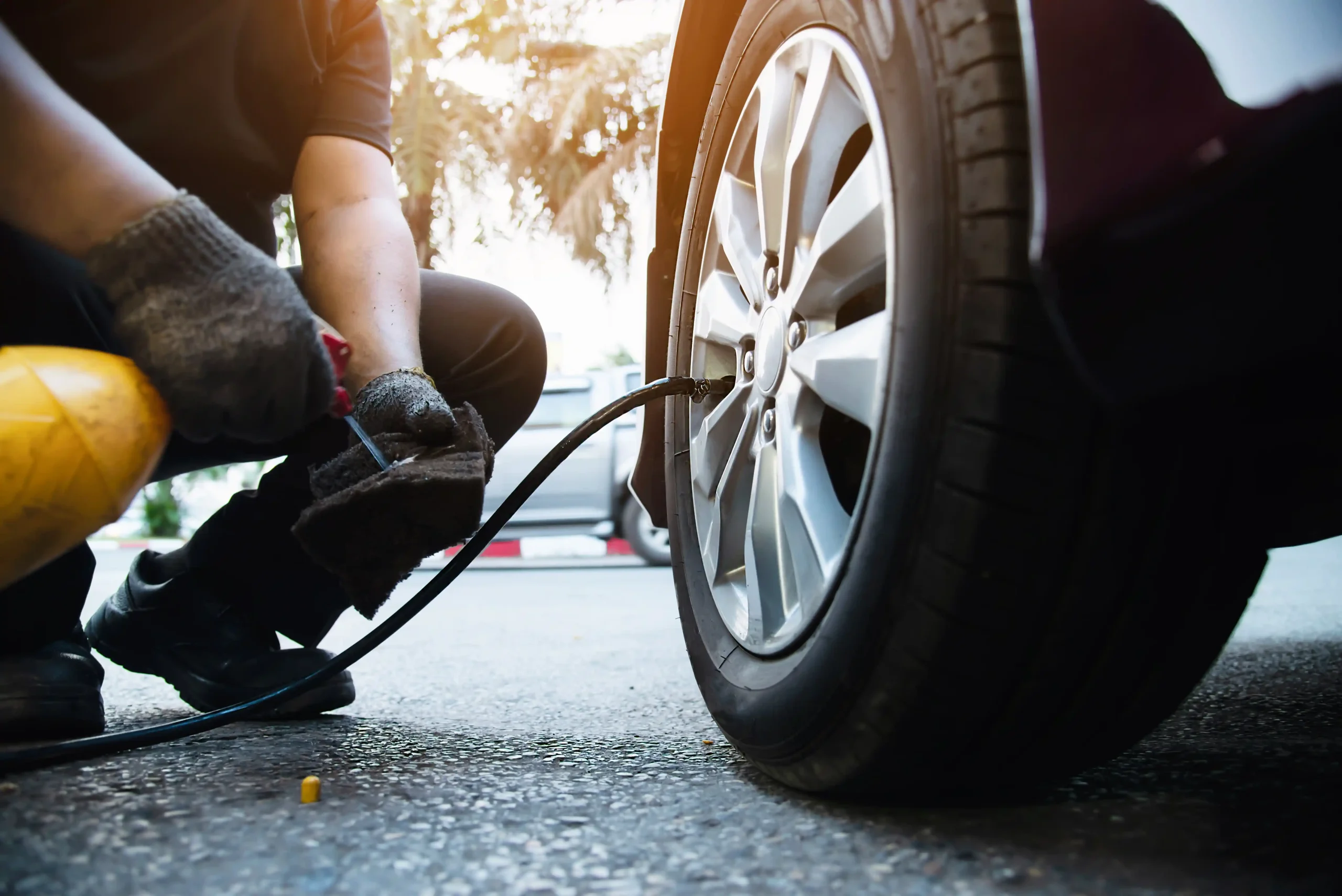
Have you ever walked out to your car and noticed a tire looking a little low? It happens to almost every driver. The good news is that you do not need to visit a gas station every time your tire pressure drops.
I often recommend keeping a tire inflator at home because it is one of the simplest tools for basic vehicle maintenance. It can save time, improve safety, and even help your tires last longer.
In this guide, I’ll explain exactly how to use a tire inflator at home, what tools you need, common mistakes to avoid, and a few practical tips that make the process easier.
📷 Upload Image HereHome garage scene showing a car owner using a portable digital tire inflator on a vehicle tire, pressure gauge visible, clean residential garage, realistic automotive maintenance.
Quick Answer
To use a tire inflator at home, first find your vehicle’s recommended tire pressure, remove the valve cap, connect the inflator hose, and inflate the tire to the correct PSI. Check the pressure with the inflator’s gauge or a separate tire gauge. Once the target pressure is reached, disconnect the hose and replace the valve cap. The entire process usually takes only a few minutes per tire.
Why Proper Tire Pressure Matters
Before using a tire inflator, it helps to understand why tire pressure is important.
According to the National Highway Traffic Safety Administration (NHTSA), properly inflated tires help improve vehicle safety, handling, and fuel economy.
- Better traction on the road
- More even tire wear
- Improved fuel efficiency
- Safer braking performance
- Lower risk of tire damage
Even a small drop in pressure can affect how your vehicle drives.
What You Need Before Inflating a Tire
Most drivers only need a few basic items.
| Item | Purpose |
|---|---|
| Tire inflator | Adds air to the tire |
| Tire pressure gauge | Checks current PSI |
| Owner’s manual | Provides recommended PSI |
| Flashlight | Helpful in low light conditions |
| Extension cord (if needed) | Provides power for some inflators |
You can find the recommended tire pressure on a sticker inside the driver’s door jamb. Do not use the maximum PSI printed on the tire sidewall as your target pressure.
How to Check If Your Tires Need Air
Many modern vehicles display tire pressure warnings. Still, it is smart to check your tires regularly.
📷 Upload Image HereClose-up of vehicle tire pressure check with digital tire gauge showing PSI reading, driver’s door sticker visible in background, realistic automotive maintenance.
Here are some common signs that a tire may need inflation:
- Tire pressure warning light is on
- Tire looks visibly low
- Vehicle feels less responsive
- Fuel economy drops unexpectedly
- Tires appear uneven compared to each other
| Condition | What It Means |
|---|---|
| 1–2 PSI low | Minor adjustment needed |
| 3–5 PSI low | Inflate soon |
| More than 5 PSI low | Check for leaks or punctures |
| Repeated pressure loss | Professional inspection recommended |
How to Use a Tire Inflator at Home Step by Step
This process works for most portable tire inflators and air compressors.
Step 1: Park on a Flat Surface
Park your vehicle on level ground and engage the parking brake.
Step 2: Find the Recommended PSI
Look at the driver’s door sticker or owner’s manual. Write down the recommended PSI for each tire.
Step 3: Check Current Tire Pressure
Remove the valve cap and use a tire gauge to check the existing pressure.
Step 4: Connect the Tire Inflator
Attach the inflator hose firmly to the valve stem. Most inflators use a quick-connect fitting or threaded connector.
Step 5: Turn On the Inflator
Plug in the inflator or connect it to the vehicle’s 12-volt outlet if required.
Many newer inflators allow you to preset your desired PSI.
Step 6: Add Air Gradually
Inflate the tire slowly. Watch the gauge as pressure increases.
If your inflator has an automatic shutoff feature, it will stop once the target pressure is reached.
Step 7: Recheck the Pressure
Use a tire gauge to confirm the final PSI reading.
Step 8: Remove the Hose and Replace the Valve Cap
Disconnect the inflator and reinstall the valve cap securely.
Step 9: Repeat for Other Tires
Check all four tires. If your vehicle has a full-size spare, inspect that tire too.
Different Types of Tire Inflators
Not all tire inflators work the same way.
- Portable 12V inflators
- Cordless battery-powered inflators
- Home air compressors
- Heavy-duty garage compressors
- Emergency inflators for roadside use
For most American drivers, a portable digital inflator offers the best balance of convenience and cost.
You can learn more about tire maintenance from trusted resources such as Consumer Reports and Kelley Blue Book.
Common Mistakes to Avoid
- Using the tire sidewall PSI as the target pressure
- Checking pressure after a long drive when tires are hot
- Ignoring the spare tire
- Overinflating tires to improve fuel economy
- Using a damaged valve stem
- Failing to verify pressure with a gauge
Warning: Overinflated tires can reduce traction and increase uneven wear. Always follow the manufacturer’s recommended PSI.
Expert Tips From Alex
📷 Upload Image HereAutomotive expert checking multiple tires with portable digital inflator, organized garage workspace, realistic home vehicle maintenance environment.
Check Tires Monthly
Alex’s Tip: I recommend checking tire pressure at least once a month, even if no warning light appears.
Check Pressure When Tires Are Cold
Alex’s Tip: The most accurate readings come before driving or after the vehicle has been parked for several hours.
Keep an Inflator in Your Vehicle
Alex’s Tip: A portable inflator can be extremely useful during road trips and seasonal temperature changes.
Watch Seasonal Temperature Swings
Alex’s Tip: Tire pressure often drops as temperatures fall. A cold snap can easily reduce PSI by several points.
Inspect Tires While Inflating
Alex’s Tip: Look for cracks, nails, bulges, or unusual wear patterns while you’re checking pressure.
If you want to learn more about long-term tire care, check out our guide on how to extend tire life and our article on essential car maintenance tools.
Key Takeaways
- Always use the PSI listed on the driver’s door sticker.
- Check tire pressure when tires are cold.
- Inflate slowly and verify pressure with a gauge.
- Inspect all tires, including the spare.
- Regular pressure checks improve safety and tire life.
Frequently Asked Questions
Can I use a tire inflator at home without an air compressor?
Yes. Many portable tire inflators are self-contained units that plug into a household outlet, battery pack, or 12-volt vehicle outlet.
How long does it take to inflate a tire?
Most passenger vehicle tires can be inflated in two to eight minutes depending on tire size and inflator power.
What PSI should I put in my tires?
Use the PSI listed on the vehicle’s door jamb sticker or in the owner’s manual. Do not use the maximum PSI printed on the tire sidewall.
Can I overinflate a tire with a portable inflator?
Yes. Always monitor the pressure reading and stop once the recommended PSI is reached.
Should I check tire pressure when the tires are hot or cold?
Cold tires provide the most accurate pressure reading. Check them before driving whenever possible.
Why do my tires keep losing air?
Possible causes include temperature changes, valve stem leaks, wheel damage, or a puncture that needs repair.
Is a digital tire inflator better than an analog model?
Digital inflators are often easier to read and may include automatic shutoff features, making them convenient for most drivers.
Conclusion
Learning how to use a tire inflator at home is one of the easiest ways to take better care of your vehicle. It requires very little equipment, takes only a few minutes, and can help improve safety, comfort, and tire life.
I always encourage drivers to make tire pressure checks part of their regular maintenance routine. A small investment in a quality inflator can save time and help prevent bigger problems later.
If you’re building your home vehicle toolkit, a reliable tire inflator is one of the first items I would add.
