
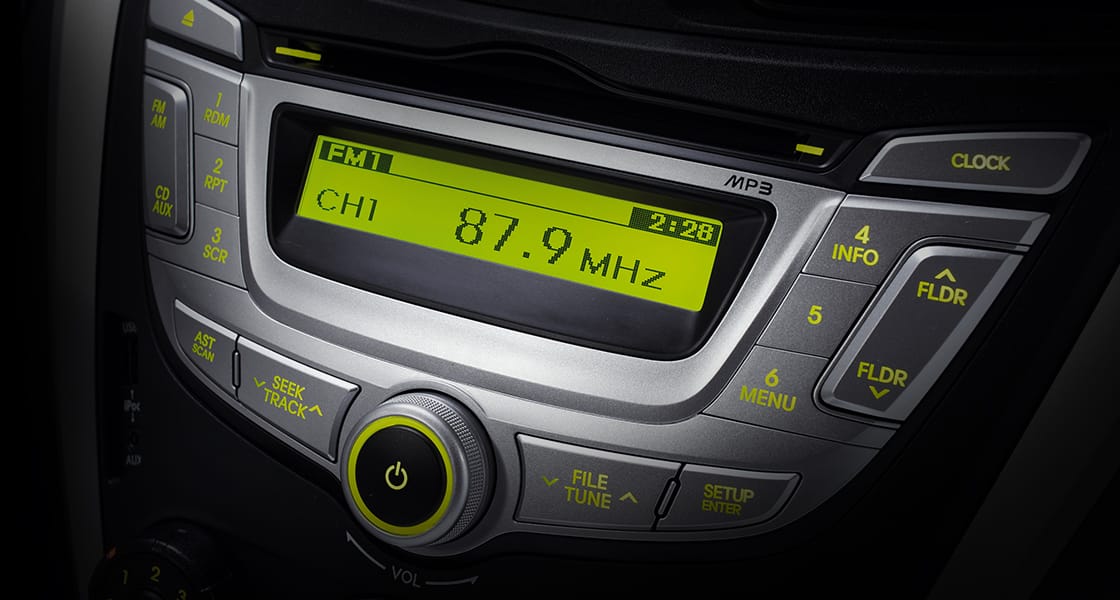
A vehicle music system is your car’s audio setup for playback, control, and sound quality.
I have spent years installing, testing, and tuning car audio. I write here to share clear, practical advice on the vehicle music system. This guide covers what it is, how it works, how to pick one, and how to get the best sound. Read on for simple steps, real tips from hands-on work, and ideas you can use today.

What is a vehicle music system?
A vehicle music system is the set of parts that let you play music, podcasts, and other audio in your car. It includes the head unit, speakers, amps, wiring, and sometimes a digital signal processor. The system controls audio sources, volume, tone, and routing for each speaker. This system shapes how your music sounds when you drive.
A clear view helps. The head unit acts like the brain. Speakers turn electrical signals into sound. An amplifier gives power to speakers so they can play louder and cleaner. A good vehicle music system ties all these parts together in one focused setup.
Key components of a vehicle music system
Every reliable vehicle music system has core parts. Each plays a simple role. Know them before you buy or upgrade.
- Head unit
- Controls sources, display, and basic tone. Many modern head units add phone integration and apps.
- Speakers
- Midrange, tweeters, and woofers handle different parts of the sound. Speaker size and quality matter.
- Amplifier
- Provides clean power. A weak amp can muddy sound even with good speakers.
- Subwoofer
- Handles bass. A sub adds depth and impact to music.
- Digital Signal Processor (DSP)
- Lets you tune time alignment and frequency filters. DSPs make the system sound balanced.
- Wiring and installation gear
- Good cables and proper grounding reduce noise and loss. Poor wiring limits system potential.
- Integration modules
- Allow the vehicle music system to work with factory controls and systems. Integration keeps steering wheel controls and safety features working.
Every part adds to the final sound. Match quality across parts for the best value. A strong head unit and weak speakers will still sound thin. A strong amplifier with weak wiring will not reach its potential.
How to choose the right vehicle music system
Decide what matters to you. Do you want clarity, loudness, deep bass, or a simple upgrade? Use this checklist to guide choices.
- Define your goal
- Clarity for podcasts, deep bass for hip-hop, or balanced sound for mixed music.
- Set a budget
- Know how much you will spend on the head unit, speakers, amp, and install.
- Match components
- Pair speakers with an amp that fits their power and impedance ratings.
- Check connectivity
- Look for Bluetooth, Apple CarPlay, Android Auto, USB, and high-res audio support.
- Consider vehicle space
- Size limits matter for subwoofers and speaker depth in many cars.
- Think about resale and warranty
- Some installs are reversible and keep factory systems intact.
From my experience, a clear plan beats impulse buys. I once installed a high-end amp into a car with worn speakers. The result was poor. The amp exposed speaker flaws. Start with solid speakers first. Then add power.
Installation and tuning tips
Good gear needs good setup. Installation and tuning make the biggest sound differences.
- Placement and fit
- Use correct speaker depth and baffles for good performance. Poor fit causes rattles and bad sound.
- Wiring best practices
- Use quality speaker wire and proper gauge for amps. Secure ground points to reduce noise.
- Fusing and protection
- Always fuse power close to the battery. It protects against short circuits.
- Tuning with a DSP
- Set crossover points, time alignment, and EQ in small steps. Listen and recheck after each change.
- Sound deadening
- Add damping to doors and panels to reduce road noise and improve bass response.
- Common mistakes to avoid
- Overdriving speakers, skipping proper grounding, or choosing mismatched power specs.
I learned to trust measurements and my ears. I use a test track and short listening sessions. Tune in quiet conditions. Then re-check on the road. Small tweaks yield big gains.
Upgrades, trends, and future of vehicle music systems
Car audio keeps evolving. New tech makes systems smarter and more flexible.
- Wireless and streaming
- Bluetooth keeps improving, and lossless codecs are arriving in cars.
- Smartphone integration
- Apple CarPlay and Android Auto are now common in head units.
- Active noise control
- Some cars use active noise cancellation to improve perceived clarity.
- Electric vehicle considerations
- EVs have less road noise but more focus on high-quality sound. Speaker design adapts to these silent cabins.
- Smart assistants and voice control
- Hands-free operation and voice commands are growing features.
- Custom tuning tools
- Apps and software let you tune from a phone or laptop.
If you value future-proofing, pick a head unit that supports updates and modern codecs. That keeps your vehicle music system relevant for longer.
Frequently Asked Questions of vehicle music system
What is the easiest upgrade for a better sound?
Replacing factory speakers with higher-quality speakers is the fastest, most impactful change. A good speaker swap often beats a new head unit for immediate clarity and tone.
Do I need an amplifier for my vehicle music system?
Small upgrades may work without an amp, but an amplifier adds clean power and headroom for better dynamics and lower distortion. If you want higher volume and better control, add an amp.
Can I install a vehicle music system myself?
Yes, basic speaker or head unit swaps can be DIY if you have tools and patience. For complex installs or to preserve safety systems, professional installation is safer.
Will a subwoofer damage my car audio?
A well-matched subwoofer will not damage your system if polarities, power ratings, and enclosure size match the amp and speakers. Avoid overpowering the sub or running it out of limits.
How do I reduce road noise to improve sound quality?
Add sound deadening materials to doors and floors, seal gaps, and secure panels. Reducing noise raises the clarity of your vehicle music system without changing electronics.
How important is tuning after installation?
Tuning is crucial. Even great components can sound poor if the system is not aligned and equalized. Spend time on tuning to get the full benefit of your vehicle music system.
Conclusion
A well-planned vehicle music system brings joy to every drive. Start with clear goals and match parts with care. Focus on speakers, proper wiring, and tuning. Small, smart upgrades often give the best returns. Try one change at a time and listen closely. If you want better sound now, pick one upgrade and test it this weekend. Leave a comment to share your upgrade story or ask for help choosing parts.