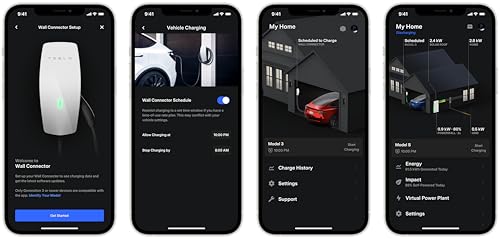
The Tesla home charging station is fast, simple, and built for daily use.
Picture this. It is late. Your battery is low. You have work in the morning. Public chargers are busy or far. You want a simple plan. Plug in at home. Wake up full every day. A tesla home charging station makes that easy. It adds miles while you sleep. It also keeps costs low. It helps your battery stay ready. I have helped many owners set this up. I will show you what works best.
See the differences between my top picks at a glance.
| Model | Max Amps / Power | Connection | Cable Length | Smart/App | Best For |
|---|---|---|---|---|---|
| Tesla Wall Connector | 48A / up to 11.5 kW | Hardwired | 24 ft | Tesla app support | Daily home charging for Tesla |
| EVIQO NACS 48A | 48A / up to 11.5 kW | Hardwired | Not specified | Not stated | Max power, clean install |
| IYILO 48A UL/ETL | 48A / 11.5 kW | Likely hardwired | Not specified | Not stated | Safety-focused buyers |
| AIMILER 32A Wi‑Fi 14‑50 | 32A / up to 7.7 kW | NEMA 14‑50 plug | 25 ft | Wi‑Fi app | Renters and portable use |
| Lectron Nexus 48A | 48A / up to 11.5 kW | Hardwired only | 23 ft | Not stated | Durable, clean setup |
Tesla Wall Connector, 48A, 24 ft Cable

The Tesla Wall Connector is the standard for home Tesla charging. It delivers up to 48 amps on a proper circuit. It uses Tesla’s NACS plug, now the SAE J3400 connector. The 24‑foot cable reaches most driveways with ease.
I like the clean look on the wall. The built‑in cable dock keeps things tidy. You can view charging in the Tesla app. It supports load sharing with more than one unit on one circuit.
Pros:
- Fast 48A Level 2 charging for daily top‑ups
- Sleek design and compact mount
- 24‑ft cable with easy holster
- Works with Tesla app for monitoring
- Supports power sharing across multiple units
- NACS (SAE J3400) plug for Tesla vehicles
Cons:
- Hardwired install needs an electrician
- Works best in Tesla ecosystem
- No 14‑50 plug option
What Amazon Buyers Are Saying
Owners often praise the fit and finish. Many mention fast, stable charging overnight. Reviews tend to note easy daily use and a neat cable dock. Some call out the cost of professional installation. A few mention setup steps for Wi‑Fi and the app.
My Recommendation
This is the best tesla home charging station for most Tesla owners. It is fast, neat, and simple to live with. It pairs with the app for easy checks. If you want a set‑and‑forget charger, choose this one.
| Category | Rating |
|---|---|
| Build Quality | 5/5 |
| Charging Speed | 5/5 |
| Smart/App Features | 4.5/5 |
| Ease of Use | 5/5 |
| Installation | 4/5 |
| Overall Rating | 4.8/5 |
EVIQO NACS 48A Hardwired Charger
The EVIQO Level 2 EV Charger pushes up to 48 amps. It uses a hardwired 240V setup for steady power. It comes with a native NACS plug for Tesla cars. It aims for clean, high‑power home charging.
This unit suits owners who want max speed. It keeps hardware tucked away with a simple wall mount. Hardwiring helps reduce plug heat at high loads. It fits well in a permanent garage install.
Pros:
- Full 48A output for fast daily charging
- Hardwired design for a stable connection
- NACS plug for direct Tesla use
- Simple, clean look on the wall
- Good option for dedicated circuits
Cons:
- No 14‑50 plug option
- App features not stated
- Professional install likely needed
What Amazon Buyers Are Saying
Feedback often mentions strong charging speed. Many call the build solid. Some note the tidy look after a pro install. A few mention missing smart features they expected. Others point out the value compared to premium brands.
My Recommendation
I like this for high‑amp needs on a budget. It is a solid tesla home charging station if you want a simple, fast unit. It is best for a permanent, hardwired setup. Check your breaker and wire size first.
| Category | Rating |
|---|---|
| Build Quality | 4.3/5 |
| Charging Speed | 5/5 |
| Features | 3.8/5 |
| Installation | 3.8/5 |
| Value | 4.4/5 |
| Overall Rating | 4.3/5 |
IYILO 48A Tesla Charger, UL/ETL/Energy Star
The IYILO charger is a 48A Level 2 unit rated to 11.5 kW. It lists UL 2594, ETL, and Energy Star marks. Safety and efficiency stand out here. It targets buyers who want certified hardware.
This charger focuses on core needs. It has high power and a Tesla‑friendly connector. The design fits a clean garage install. It is a good fit if you value third‑party safety tests.
Pros:
- 48A output for fast charge rates
- UL 2594 and ETL listed
- Energy Star for efficiency
- Works with Tesla via NACS
- Simple, robust build for home use
Cons:
- Smart features not clear
- Hardwiring may be required
- Cable length not specified
What Amazon Buyers Are Saying
Shoppers often cite the safety labels as a key draw. Many highlight strong, steady charging. Some mention a basic feature set, which may be fine for daily use. A few wish for richer app tools.
My Recommendation
Pick this if you want safety marks and power. It is a steady tesla home charging station that favors trust. It feels built for long service. Pair it with a quality install for best results.
| Category | Rating |
|---|---|
| Safety & Certifications | 5/5 |
| Charging Speed | 5/5 |
| Features | 3.7/5 |
| Ease of Use | 4.4/5 |
| Value | 4.4/5 |
| Overall Rating | 4.4/5 |
AIMILER 32A Wi‑Fi Charger, 25 ft, 14‑50
The AIMILER Level 2 charger runs at 32 amps. It uses a NEMA 14‑50 plug for easy setup. You get a long 25‑ft cable. It also includes a Wi‑Fi app for controls.
I like this for renters or new owners. You can install a 14‑50 outlet and plug in. No hardwiring needed. It also works as a portable charger when you move.
Pros:
- Plug‑in with a standard 14‑50 outlet
- Wi‑Fi app for basic controls
- 25‑ft cable reaches most spots
- Good travel and portable option
- ETL listed for safety
Cons:
- 32A is slower than 48A units
- Outlet quality can limit long‑term use
- App depth may be basic
What Amazon Buyers Are Saying
Reviews often praise the quick setup with a 14‑50 outlet. Many like the long cable and app. Some note lower speed than 48A chargers. A few mention outlet heat if the receptacle is poor.
My Recommendation
This is great for flexibility. It is a smart pick if you rent or plan to move. The 25‑ft cable is handy. It is a budget‑friendly tesla home charging station for daily use.
| Category | Rating |
|---|---|
| Portability | 5/5 |
| Charging Speed | 3.8/5 |
| App & Controls | 4.1/5 |
| Ease of Setup | 4.7/5 |
| Value | 4.5/5 |
| Overall Rating | 4.2/5 |
Lectron Nexus 48A NACS Charger
The Lectron Nexus is a 48A, 240V charging station. It is UL2594 certified (ETL listed). It is hardwired only. It includes a 23‑ft cable and a Tesla holster.
This unit aims at a clean, durable setup. The shorter cable than 24‑25 ft is still generous. The NACS plug fits Tesla cars right away. It suits a permanent home base very well.
Pros:
- 48A charging for quick fill‑ups
- UL2594 (ETL) certification
- Hardwired for a stable connection
- 23‑ft cable and included holder
- Simple controls for daily use
Cons:
- Hardwired only limits flexibility
- App features not specified
- Needs a pro for install
What Amazon Buyers Are Saying
Buyers often mention solid construction. Many like the included holster for cable care. Some wanted more smart features. Others highlight simple, reliable operation and good value.
My Recommendation
Pick this if you want a tough, clean install. It is a strong tesla home charging station with solid safety marks. It charges fast and looks neat. It is a fine choice for garages and driveways.
| Category | Rating |
|---|---|
| Durability | 4.6/5 |
| Charging Speed | 5/5 |
| Smart Features | 3.6/5 |
| Installation | 3.9/5 |
| Value | 4.4/5 |
| Overall Rating | 4.3/5 |
How to Choose a Tesla Home Charging Station
A tesla home charging station should be easy, safe, and fast. Pick one that fits your panel. Choose the right connector and cable length. Think about app tools, power sharing, and where you will park.
1. Match Amps to Your Electrical Panel
Start with your service panel. Check open breaker space. A 48A charger needs a 60A breaker with proper wire. A 32A charger needs a 40A breaker. If you rent or move soon, a 14‑50 plug charger is handy. If you own and want max speed, go hardwired. Ask a licensed electrician to confirm wire size and code. Keep runs short for best voltage.
2. Pick the Right Connector and Cable Length
Tesla uses NACS, now SAE J3400. Many new EVs also support it. A native NACS plug keeps charging simple. Cable length matters. Measure from the mount to the charge port. Add a few feet for slack. A 23‑25 ft cable works for most homes. If your driveway is wide, go longer. Keep the holster easy to reach.
3. Decide on Smart Features and Future Needs
Smart tools can help. Scheduling can charge at off‑peak times. Apps can track cost over time. Some chargers support load sharing. That can split power between two units. This helps if you add a second EV later. If you want simple, a basic unit still works fine. If you love data, pick one with deeper app tools.
Final Verdict: Which Should You Buy?
The Tesla Wall Connector is my top pick. It is fast, neat, and app friendly. It feels built for daily life. It is the best tesla home charging station for most Tesla owners.
Choose a plug‑in AIMILER if you rent. Choose Lectron, IYILO, or EVIQO for hardwired value. Charge at home. Save time and money.
FAQs Of tesla home charging station
How many amps do I need for a tesla home charging station?
Most owners choose 48A for max speed. A 32A unit still works well. Check your panel and breaker size first.
Can I install a Tesla Wall Connector myself?
Use a licensed electrician. They will size the breaker and wire. This keeps the setup safe and to code.
Is a 14‑50 outlet good enough for daily charging?
Yes, for many drivers. A 14‑50 with a 32A charger is simple and flexible. Hardwiring at 48A is faster.
How fast will a 48A charger fill my Tesla?
It can add many miles per hour. Exact speed depends on your model and battery. Most drivers wake up full.
Do I need Wi‑Fi or an app for home charging?
No, but it helps. Apps can schedule, track cost, and show status. Basic chargers still work fine.
Are these chargers compatible with non‑Tesla EVs?
They use the NACS (SAE J3400) plug. Many new EVs now support it. Others may need an adapter.
What cable length should I choose?
Pick 23‑25 ft for most homes. Measure your parking spot. Leave extra slack for easy reach.