
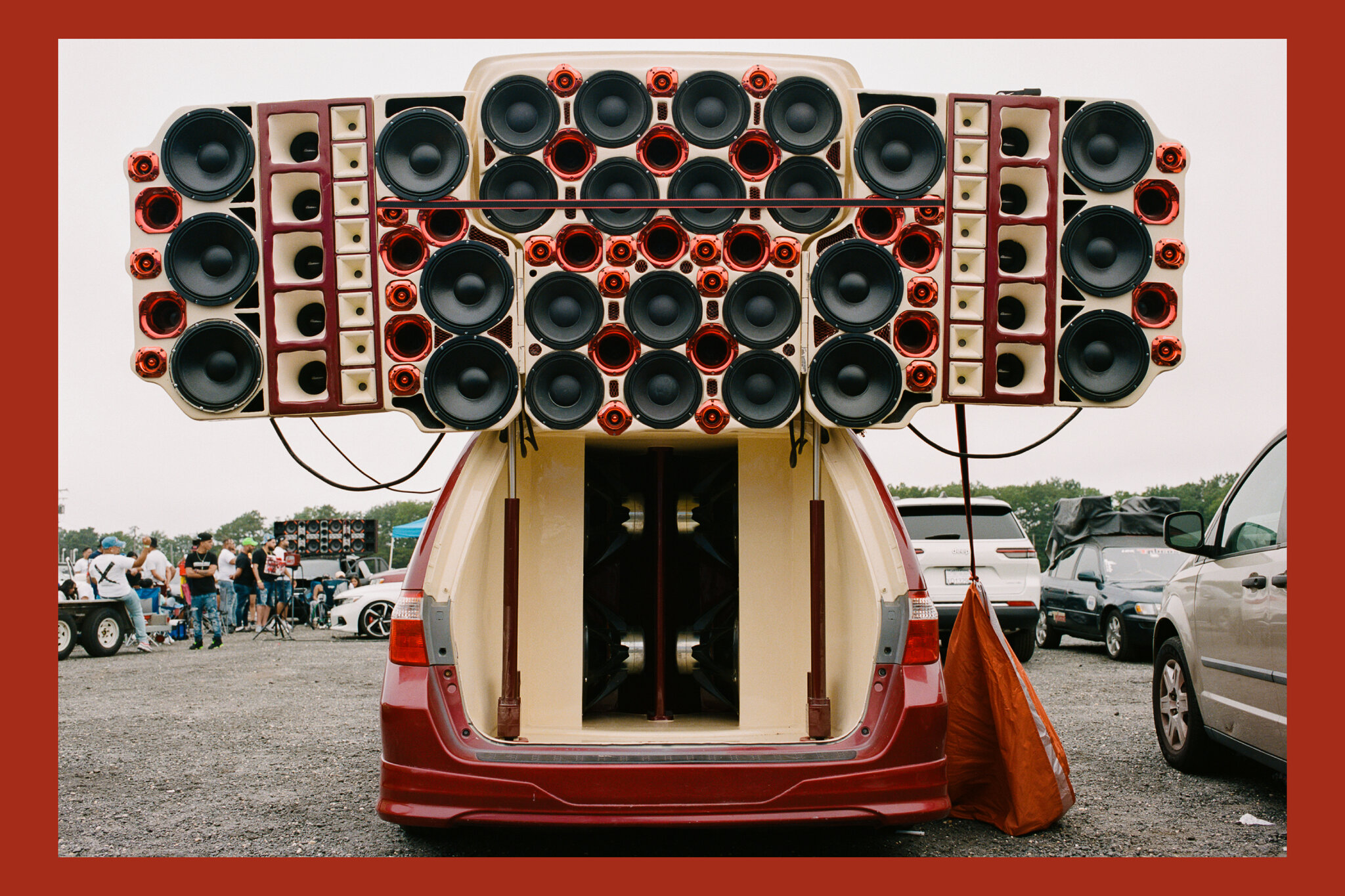
Car speakers shape your drive by delivering bass, clarity, and audio staging inside the cabin.
I have worked on dozens of car audio installs and tested many speakers on cars. This guide explains how speakers on cars work, how to choose the right ones, common problems, and practical upgrade tips. Read on to learn clear, actionable advice that helps you pick, install, and tune speakers on cars for better sound every time.

How speakers on cars work
Speakers on cars turn electrical signals into sound waves you hear inside the cabin. A voice coil moves in a magnetic field to push a cone. The cone moves air and produces sound. Crossovers split frequencies so tweeters play highs and woofers play lows.
Key terms to know:
- Impedance: electrical resistance, usually 4 or 8 ohms.
- Sensitivity: how loud a speaker gets from one watt.
- Frequency response: the range of sound a speaker can reproduce.
Understanding these basics helps you match speakers to your car stereo or amplifier. Proper matching prevents distortion and damage to speakers on cars.
Types of speakers on cars
There are several speaker types you will find in car audio systems. Each plays a distinct role in sound.
Common types:
- Coaxial speakers: Include woofer and tweeter in one unit. They are easy to fit and replace.
- Component speakers: Separate tweeter, woofer, and external crossover. They give better imaging.
- Subwoofers: Built for low bass. They need an enclosure and more power.
- Midrange and full-range drivers: Fill the middle part of the sound spectrum.
Choosing the right type depends on space, budget, and sound goals. Coaxials are a good stock upgrade, while components are best for serious listeners. Speakers on cars vary in size, shape, and power handling.
How to choose speakers on cars
Pick speakers based on your car, music taste, and amplifier. Follow a clear step-by-step approach to choose well.
Steps to choose:
- Check fit: Measure door or dash openings for 6.5", 6×9", or other sizes.
- Match impedance and power: Ensure the stereo or amp can handle the speaker watts and ohms.
- Evaluate sensitivity: Choose higher sensitivity for low-power head units.
- Decide on sound signature: Warm, neutral, or bright—listen before buying if possible.
Personal tip from installs: I always test speakers with the music you listen to. That reveals real-world tone and clarity. If you plan to add an amp, aim for component speakers to get the most from the power.
Which speaker size is best for my car?
Small cars often use 4" or 5.25" front speakers for fit, while sedans and SUVs commonly accept 6.5" or 6×9" rear speakers. Choose the largest speaker that fits your mounting cutout to get better bass and clarity.
Do I need an amplifier for aftermarket speakers?
You do not always need an amplifier. Low-sensitivity speakers on a stock head unit will sound weak. Adding a small amp usually improves volume and clarity without distortion.
Installation and placement tips for speakers on cars
Proper placement affects sound more than brand names. Use the car layout to guide speaker location and angle.
Practical placement rules:
- Front stage matters: Put better speakers up front for imaging and clarity.
- Aim tweeters: Direct tweeters toward ears for clear highs.
- Seal speaker mounts: Use foam or gasket material to avoid air leaks.
- Use sound deadening: Add matting to doors to reduce vibration and improve bass.
Installation steps in brief:
- Disconnect battery before wiring.
- Remove panels carefully to avoid clips breaking.
- Secure speaker with the right screws and avoid overtightening.
- Test wiring and phase before reassembling panels.
From my experience, a damped door and proper tweeter aim make more audible change than expensive speakers alone. Install with care and take time to tune.
Upgrading and tuning speakers on cars
Upgrading is more than swapping parts. Tune the system to fit your car’s acoustics and your ears.
Upgrade checklist:
- Replace front speakers first for the biggest impact.
- Add a subwoofer for deeper lows if you like bass-heavy music.
- Use a dedicated amplifier for clarity and headroom.
- Install a digital signal processor (DSP) for time alignment and EQ.
Tuning steps:
- Set gains to avoid clipping.
- Use low-pass and high-pass crossovers correctly.
- Time-align speakers so sound reaches your ears at once.
- Use room correction tools or a simple parametric EQ to tame peaks.
I once upgraded a hatchback with component fronts and a small sealed sub. The result was clearer vocals and tighter bass without boom. Proper tuning saved money and improved satisfaction.
Common problems and fixes with speakers on cars
Problems are often simple to fix if you know where to look. Common issues include distortion, rattles, and no sound.
Troubleshooting tips:
- Distortion: Lower head unit volume or check amp gain and speaker wiring.
- Rattles: Add sound deadening or tighten loose panels.
- No sound: Check fuses, wiring, and speaker polarity.
- Weak bass: Ensure proper enclosure or door sealing and check subwoofer wiring.
Always test with known-good source files and mono test tones to isolate issues. Many times a loose ground or bad connector causes bigger headaches than a faulty speaker.
Cost, brands, and value for speakers on cars
Budget, mid-range, and premium speakers all have a place. Know what you want before spending.
Price bands:
- Budget: $20–$80 per pair. Good for basic upgrades and better than factory.
- Mid-range: $80–$250 per pair. Offers better materials, sensitivity, and sound.
- Premium: $250+ per pair. Best clarity, staging, and materials for audiophiles.
Brand selection tips:
- Look for proven designs and warranty.
- Read measured reviews and user feedback.
- Consider local installers for custom fittings and tuning.
Value tip: Spend where you hear the difference. For many cars, a quality front pair plus tuning offers the best return for speakers on cars.
Frequently Asked Questions of speakers on cars
What size speakers fit most car doors?
Many car doors accept 6.5" speakers, but some use 6×9" or smaller sizes. Measure the mounting hole and depth before buying.
Can I use home speakers in my car?
Home speakers are not designed for the car’s power, ventilation, or vibration. They may overheat or fail and are not recommended.
How long do car speakers last?
With normal use, good speakers last 5–10 years, depending on exposure to heat and moisture. Harsh conditions shorten their life.
Do speakers need to be amplified to sound good?
Not always. High-sensitivity speakers can sound good from a head unit, but an amplifier improves clarity and loudness. Power helps reduce distortion at higher volumes.
Why do my car speakers buzz at certain notes?
Buzzing usually comes from loose trim, speaker cones hitting the grille, or panel vibration. Check mounts and add damping to fix the issue.
Is professional installation worth the cost?
Professional installers ensure correct wiring, secure mounts, and proper tuning. For complex systems or custom enclosures, professional work is often worth the price.
Will speaker upgrades improve phone call quality?
Better speakers can make voices clearer, but phone call quality also depends on the head unit and microphone. Upgrades help but may not fix all call issues.
Final thoughts and next steps
Speakers on cars can transform how you enjoy music in your vehicle. Start by understanding fit and power needs, then focus on front speakers and proper installation. Add a subwoofer and amplifier if you want deeper lows and more headroom. Tune the system carefully to your car’s acoustics for the best results.
Take action: measure your car’s speaker openings, listen to sample speakers, and consider a modest upgrade to the front stage. Share your results or questions below, and subscribe for more guides on car audio and upgrades.