
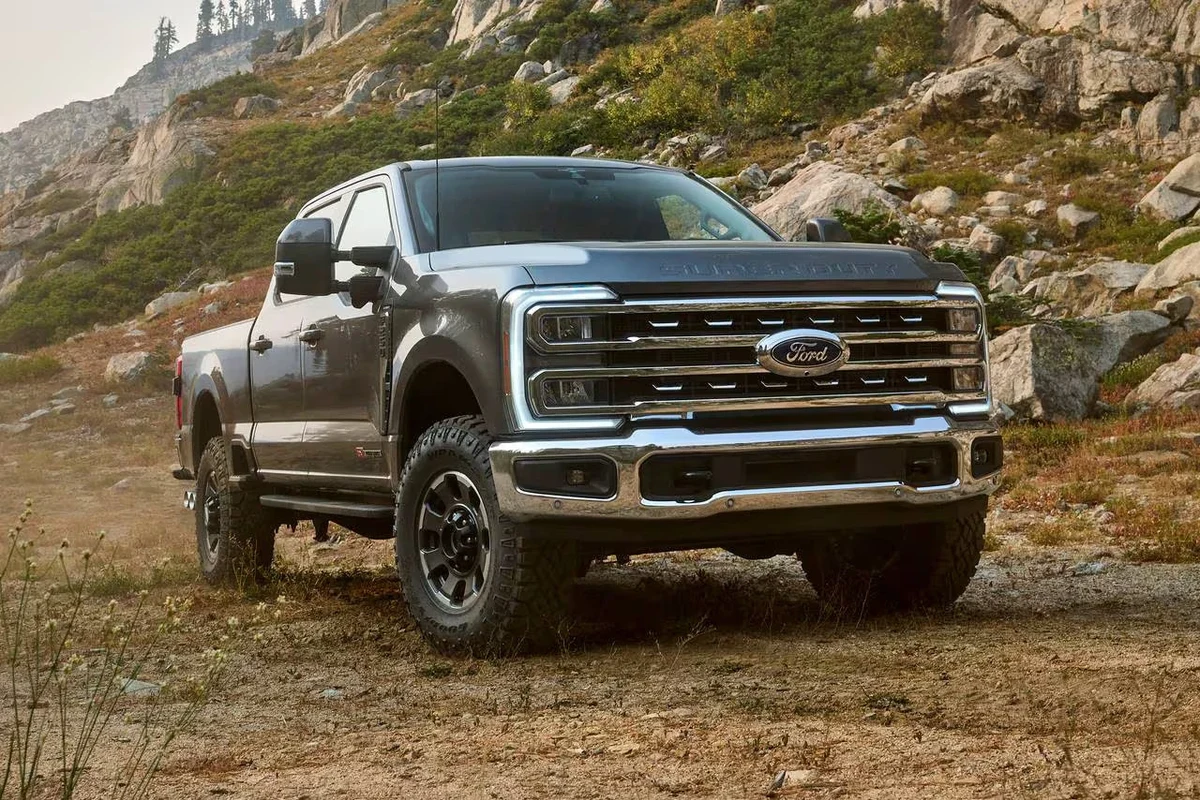
A dash cam for trucks should prioritize durability, clear video, and reliable power handling. The best choice depends on whether you drive a pickup, work truck, or commercial rig.
If you drive a truck in 2026, a dash cam is one of the most practical safety and documentation tools you can add. It can help record accidents, parking incidents, cargo-related disputes, and everyday driving events without getting in the way of normal use.
- Truck fit: Choose a camera that handles heat, vibration, and longer duty cycles better than a.
- Core features: Prioritize video quality, parking mode, GPS, loop recording, and a dependable memory card.
- Use case matters: Front-only is fine for some drivers, but dual-channel or cabin-facing setups help fleets and.
- Installation counts: Proper mounting and wiring can matter as much as the camera itself.
What a Dash Cam for Trucks Is and Why Truck Drivers Need One in 2026

A dash cam for trucks is a camera system designed to record the road, and sometimes the cabin or rear view, from a truck’s larger, higher driving position. Compared with a standard car camera, it usually needs better mounting flexibility, stronger heat resistance, longer cable runs, and more reliable parking-mode power management.
How a truck dash cam differs from a standard car camera
Truck cabs, especially in commercial and heavy-duty setups, often have more windshield space, more vibration, and more demanding electrical layouts than passenger cars. That means the right camera should be easy to position without blocking the driver’s view, and it should keep working through long duty cycles, summer heat, cold starts, and rough road conditions.
For pickup owners, the difference is often about coverage and durability. For semis and work trucks, it can also be about whether the system can handle parking mode, fleet monitoring, and multi-camera setups. If you want a broader overview of truck-focused options, our guide to the best dash cam for trucks is a useful place to start.
Who it fits: long-haul drivers, fleet operators, owner-operators, and pickup owners
Long-haul drivers often want reliable recording on highways, in truck stops, and during overnight parking. Fleet operators usually care about accountability, incident documentation, and simple reporting across multiple vehicles. Owner-operators may want a balance of road coverage, parking protection, and cost control.
Pickup owners often need a system that works well for commuting, towing, jobsite travel, and family use. If your truck is a light-duty pickup, a guide like best dash cam for pickup trucks can help narrow the field by use case.
For truck owners, the best dash cam is usually the one that balances road coverage, heat tolerance, and dependable parking protection—not the one with the most flashy features.
Best Use Cases: Safety, Evidence, and Everyday Driving Protection
The main reason to buy a truck dash cam is simple: real-world documentation. When something happens, a camera can provide a timeline of events that memory alone cannot match. That matters whether you drive a highway tractor, a service truck, or a daily-driven pickup.
Accident documentation and insurance claims
In a crash, a dash cam may help show lane position, traffic signals, speed context, and the sequence of events before impact. That can be helpful when speaking with law enforcement, an insurer, or a fleet manager. It does not replace an official investigation, but it can strengthen your account with visual evidence.
Did You Know? Many insurance disputes come down to conflicting versions of the same event. Video often helps reduce uncertainty, especially when the other driver, witnesses, or road conditions are unclear.
Cargo theft deterrence, roadside incident recording, and parking security
Truck drivers often leave vehicles unattended at loading docks, rest areas, and overnight parking locations. A dash cam with parking mode can record motion or impacts while the truck is off, which may help document break-ins, vandalism, or suspicious activity.
For commercial drivers, that can matter as much as collision footage. If your truck is part of a larger commercial setup, you may also want to compare options in our best dash cam for commercial vehicles guide.
Training, route review, and fleet accountability
Fleet managers often use dash cams to review driving behavior, improve coaching, and document route conditions. That can be useful for reducing preventable incidents and clarifying what happened during a complaint or delivery dispute.
For fleets that want a more connected setup, telematics-compatible systems may be worth considering. Our article on fleet telematics dash cams explains how camera data can fit into broader monitoring workflows.
Key Features to Look For Before Buying
Not every camera marketed for trucks is built for truck use. The right features depend on how long you drive, where you park, and whether you need front-only footage or a wider picture of what happens around the vehicle.
Video quality: resolution, night vision, HDR, and wide-angle coverage
Resolution matters because it affects how much detail is visible in license plates, lane markings, road signs, and distant vehicles. Night vision and HDR, which stands for high dynamic range, help the camera handle bright headlights, dark roads, and mixed lighting more cleanly.
Wide-angle coverage is useful in a truck because the cab sits higher than a car and may need a broader field of view to capture nearby vehicles. Just keep in mind that an extremely wide lens can distort edges, so balance coverage with clarity.
Power options: hardwiring, battery packs, parking mode, and supercapacitors
Truck dash cams are often powered by the vehicle’s electrical system, and hardwiring is common when you want parking mode or a cleaner installation. Some setups use external battery packs to reduce strain on the vehicle battery during extended parking surveillance.
Supercapacitors are another important feature in truck cameras. Unlike small internal batteries, they are generally better suited to heat and long-duty use, though they still depend on a proper power setup to save files safely when the engine shuts off.
Storage, loop recording, GPS, and time/date stamping
Loop recording lets the camera overwrite old footage when storage fills up, which is essential for continuous use. A good memory card matters just as much as the camera itself, especially in vehicles that run for many hours a day.
GPS can add location and speed data to footage, which may help with route review and incident context. Time and date stamping are also important because they make the recording more useful for claims, logs, and internal reports.
Durability for heat, vibration, and long-duty cycles
Trucks are harder on electronics than many passenger vehicles. Heat buildup on the windshield, repeated vibration, and long engine-on periods can expose weak components quickly.
Most important decision pointFor truck use, durability is often more important than extra app features or flashy marketing claims.
How to Choose the Right Dash Cam for Your Truck
The best choice depends on the truck itself and how you use it. A highway tractor, a contractor’s work truck, and a weekend pickup all need different levels of coverage and power management.
Single-channel vs dual-channel vs cabin-facing setups
Single-channel cameras record the front road only. That is often enough for basic commuting or budget-minded buyers who mainly want accident evidence.
Dual-channel systems add a rear camera, which can be valuable for pickups, trailers, and vehicles that are often rear-ended or parked in tight areas. Cabin-facing setups are more common in fleets and rideshare-style commercial use, where driver activity or cargo-area visibility matters.
| Option | Best For | Key Consideration |
|---|---|---|
| Single-channel | Budget buyers and simple daily driving | Front coverage only |
| Dual-channel | Pickups, trailers, and broader incident coverage | More wiring and storage demand |
| Cabin-facing | Fleet accountability and commercial oversight | Privacy and policy concerns |
Best options for semis, work trucks, and daily-driven pickups
Semis often benefit from robust front coverage, reliable parking protection, and hardware that can handle long hours. If you drive a tractor-trailer specifically, our guide to the best dash cam for tractor trailer can help you compare truck-specific priorities.
Work trucks usually need a practical balance of durability, simple controls, and enough storage for frequent daily use. Daily-driven pickups may lean more toward compact cameras, easy app access, and optional rear coverage.
Budget tiers: entry-level, mid-range, and premium systems
Entry-level cameras can be enough for front-facing recording and basic incident protection, but they may compromise on night performance, storage endurance, or parking mode. Mid-range systems often provide the best balance for most truck owners because they tend to improve video quality and reliability without becoming overly complex.
Premium systems make sense when you need multi-channel coverage, stronger parking mode, or fleet-level features. For buyers focused on overall price-to-feature balance, our best dash cam for the money guide can help frame the decision.
New vs used considerations and what to avoid
Used dash cams can be tempting, but they come with risk. Memory wear, missing accessories, outdated firmware, and unknown heat exposure can all shorten useful life.
Practical Tip If you buy used, confirm the model supports current firmware, check that the mount and power cable are included, and make sure the memory card is replaced rather than reused.
Real-World Benefits, Limitations, and Common Buying Mistakes
A dash cam can be a strong protection tool, but it is not magic. It helps most when it is installed correctly, powered properly, and maintained like any other piece of vehicle equipment.
What a dash cam can and cannot prove in an incident
A camera can show visual context, but it may not prove everything. It might not capture audio clearly, may miss activity outside the lens angle, and can be affected by glare, weather, or obstruction.
It is best viewed as evidence support, not final authority. Official reports, witness statements, insurer reviews, and local traffic laws still matter.
Common mistakes: poor placement, low storage, weak power setup, and ignored firmware
Poor placement is one of the most common errors because it can block the driver’s view or leave too much of the road out of frame. Low-capacity storage can also create problems if the camera overwrites important footage too quickly.
Weak power setup is another issue, especially for parking mode. If the wiring is not done correctly, the camera may drain the battery or shut off before it saves critical clips. Firmware updates matter too, because they can improve stability, compatibility, and file handling.
Privacy, legal, and company-policy considerations
Before using a dash cam, check your state laws, carrier rules, and employer policies. Some places have expectations around audio recording, windshield placement, and driver privacy.
Safety Note
Do not install a camera in a way that blocks the road view, interferes with airbags, or violates company or local policy. If you are unsure, confirm the rules before mounting the unit.
Setup Guide: Installing and Configuring a Truck Dash Cam the Right Way
Good installation matters as much as good hardware. A well-placed camera with correct settings usually performs better than a premium model mounted or configured poorly.
Mounting position for clear road coverage and minimal blind spots
Mount the camera where it has a clear forward view but does not interfere with the driver’s line of sight. In many trucks, that means high on the windshield, centered or slightly offset depending on mirror placement and cab design.
Make sure the lens can see traffic lights, lane markings, and the road directly ahead. If you also want rear or cabin coverage, plan those angles before finalizing the front mount.
Wiring basics, parking mode setup, and cable management
Hardwiring is often the cleanest option when you need parking mode. It usually involves connecting the camera to a fuse box or approved power source so it can receive constant or accessory power depending on the mode you want.
Use careful cable routing so wires do not sag, rattle, or interfere with controls. If you want a deeper walkthrough, our article on how to hardwire a dash cam for parking mode explains the general process and common mistakes to avoid.
Decide whether you need simple ignition power or full parking-mode support before you start routing cables.
Use the supplied adhesive or mount system and verify that the lens has a stable, unobstructed view.
Check live view, parking mode behavior, and file saving before relying on the system.
Initial settings: resolution, loop length, sensitivity, and GPS sync
Start with the highest resolution that your camera and memory card can handle reliably. Then choose a loop length that balances storage efficiency with clip length for review.
Parking sensitivity should be high enough to catch impacts or movement, but not so sensitive that it records every vibration. If your camera supports GPS, confirm that time and location data are syncing correctly before regular use.
Care, Cleaning, and Ongoing Maintenance
A truck dash cam is not a set-it-and-forget-it accessory. A few simple checks can prevent the most common failures and keep footage usable when you need it.
Lens cleaning, memory card checks, and firmware updates
Clean the lens gently with a soft microfiber cloth so road film and dust do not soften the image. Check the memory card regularly, because cards wear out over time and may need replacement even if the camera itself is fine.
Firmware updates can improve stability and fix recording issues. If the manufacturer provides them, install updates according to the official instructions rather than guessing at the process.
Heat protection, seasonal care, and vibration-related inspections
Heat is one of the biggest enemies of in-cab electronics. If your truck sits in direct sun for long periods, look for signs of adhesive weakening, cable brittleness, or overheating warnings.
In cold weather, make sure the camera powers up cleanly and keeps time accurately. Vibration can loosen mounts and connectors, so it is worth checking those points during routine vehicle maintenance.
Troubleshooting common issues like overheating, corrupted files, and power loss
If the camera overheats, reduce unnecessary features, improve ventilation where possible, and verify that it is rated for your climate. Corrupted files often point to a failing memory card, sudden power loss, or an improper shutdown.
Power loss can also come from a weak fuse tap, a loose connector, or a battery-protection setting that is too conservative. If basic troubleshooting does not help, consult the manufacturer’s support guidance before assuming the unit is defective.
Final Recommendation: The Best Dash Cam for Trucks Based on Your Driving Needs
The best dash cam for trucks is the one that matches your workload, parking habits, and need for evidence. For budget buyers, a reliable single-channel model with good night performance and a quality memory card is usually enough. For fleets, dual-channel or cabin-aware systems with parking mode and GPS are often the smarter long-term choice.
Best choice for budget buyers, fleets, and heavy-duty highway use
Budget buyers should prioritize stable recording, easy installation, and dependable storage over extra features. Fleets should focus on accountability, durability, and policy fit. Heavy-duty highway users and long-haul drivers should lean toward heat-resistant hardware, strong low-light performance, and parking protection that does not strain the vehicle electrical system.
Final verdict on value, safety, and long-term ownership
For most truck owners, value comes from reliability first and feature count second. If you choose a camera that fits your truck type, power setup, and daily routine, it can pay off through better incident documentation, less stress after a collision, and more confidence when the truck is parked.
Before buying, confirm the exact feature set, warranty terms, and compatibility with your vehicle or fleet policy. If you want a truck-specific comparison next, you may also want to review our guides for truckers and front-and-rear pickup setups.
A good dash cam for trucks should be durable, easy to power correctly, and able to capture the kind of footage your driving life actually needs. If you drive long hours, haul cargo, or park in public places often, it is one of the most useful safety upgrades you can add in 2026.
Common Questions
Yes, especially if they drive long hours, park in public places, or handle cargo. A dash cam can help document accidents and roadside incidents.
It can be, if you mainly want accident evidence. A rear camera is helpful if you tow, park in tight areas, or want broader coverage.
Parking mode lets the camera record when the truck is off. It is useful for theft, vandalism, and hit-and-run incidents.
Hardwiring is often the best option for parking mode and a cleaner install. If you are unsure, follow the manufacturer’s instructions or use a qualified installer.
Use a high-endurance card made for continuous recording. Regular cards can wear out faster in constant loop-recording use.
Frequently Asked Questions
Focus on video quality, night performance, parking mode, storage reliability, and heat resistance. Those features matter more than flashy app extras for most truck owners.
It often is, especially for pickups, towing, and commercial use. Dual-channel recording gives you more context if something happens behind the truck.
Clean the lens, check the memory card, and update firmware when the manufacturer recommends it. Also inspect the mount and cable routing during routine vehicle checks.
Poor installation is one of the most common mistakes. A bad mount, weak power setup, or low-quality memory card can make a good camera perform badly.
It can provide strong evidence, but it does not automatically prove fault in every case. Insurance companies, police reports, and local traffic laws still matter.
Check company policy, local recording laws, and the camera’s power requirements. Make sure the installation does not block visibility or interfere with safety equipment.