
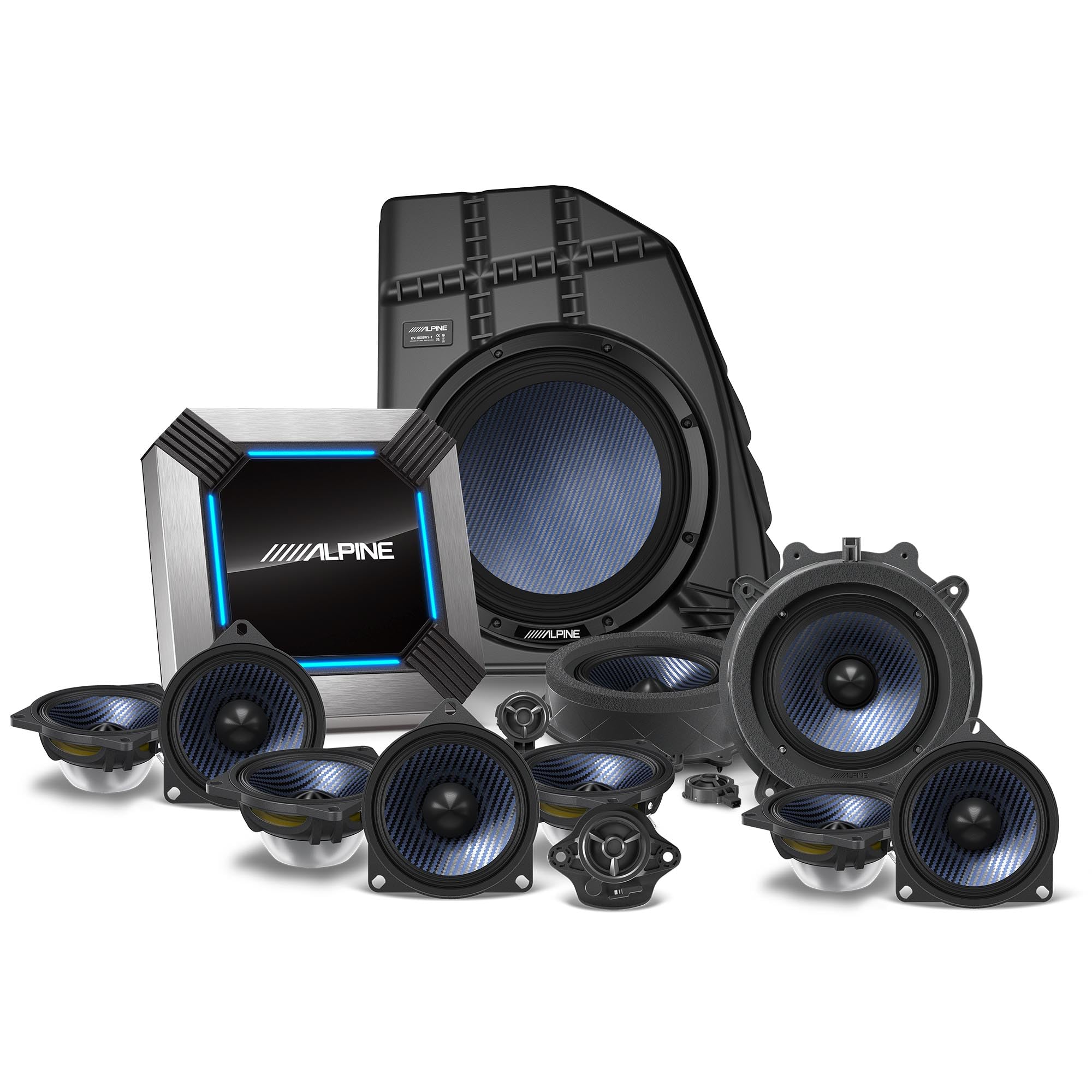
Alpine car speakers deliver clear, powerful sound and rugged reliability for car audio upgrades.
I have spent years installing and tuning car audio systems, testing speakers in real cars and on the bench. This guide breaks down how alpine car speakers work, what sets them apart, and how to choose, install, and tune them for the best sound. Read on to get practical tips, buying advice, and real-world lessons from hands-on installation and listening tests.

Why choose Alpine car speakers?
Alpine car speakers are known for balanced sound and durable builds. They aim to give clear mids, tight bass, and smooth highs. Many installers prefer alpine car speakers for factory upgrades and custom systems. Their fit and finish often make installation easier. From my experience, Alpine offers consistent sound across price points and reliable warranties.
Benefits you get with alpine car speakers
- Clear, natural midrange that suits vocals and guitars.
- Good power handling for head units and amplifiers.
- Durable materials that resist heat and moisture.
- Wide size range for many car fits and trims.
Limitations to consider
- Some models need an amp to reach full potential.
- Deep bass needs a dedicated Alpine subwoofer or amp.
- Pricing can be higher than generic alternatives.
Source: alpine-asia.com
Types and models of alpine car speakers
Alpine car speakers come in several main types. Pick the type that fits your goals and vehicle.
Coaxial speakers
- Two-way or three-way speakers with woofer and tweeter in one unit.
- Easy to install and good for direct replacements.
- Ideal for budget upgrades and factory-style installs.
Component speakers
- Separate woofer, tweeter, and external crossover.
- Better imaging and clarity when properly installed.
- Best for enthusiasts who want precise sound staging.
Subwoofers
- Dedicated low-frequency drivers for deep bass.
- Available in shallow and standard mount depths.
- Pair a subwoofer with alpine car speakers for full-range sound.
Specialty and marine options
- Weather-resistant speakers for trucks and boats.
- Shallow-mount speakers for tight door pockets.
- Tweeters with different mounting styles for custom installs.
Sizes commonly available
- 6.5-inch 2-way coaxials for most cars.
- 6×9-inch three-ways for rear decks.
- 4-inch and 5.25-inch for compact spaces.
Alpine car speakers cover all common sizes and needs.
Source: co.za
Key features to look for in alpine car speakers
Focus on a few specs and features. These tell you how the speaker will perform in a real car.
Power handling and RMS
- Look at RMS rating for continuous power handling.
- Match RMS to your amplifier or head unit output.
- Alpine car speakers often list both RMS and peak values.
Sensitivity and efficiency
- Sensitivity shows loudness with a set power level.
- Higher sensitivity helps if you use a factory head unit.
- Alpine car speakers vary from efficient to power-hungry models.
Impedance
- Most speakers are 4 ohms, some are 2 or 8 ohms.
- Match impedance to your amp for stable performance.
- Incorrect impedance can overheat an amp or reduce volume.
Cone and surround materials
- Polypropylene cones balance weight and stiffness.
- Treated cloth or rubber surrounds resist weather.
- Alpine car speakers use robust materials for long life.
Tweeter type and crossover
- Silk, metal, and composite tweeters each color the highs.
- Crossovers protect tweeters and shape frequency response.
- Component sets give better crossover control than coaxials.
Mounting depth and fit
- Measure door depth before buying.
- Alpine car speakers come in shallow mounts for tight spaces.
- Proper baffles and adaptors improve sound and fit.
Source: amazon.com
Installation and tuning tips for alpine car speakers
A good speaker only sounds great when installed and tuned right. These tips save time and improve sound.
Preparation and tools
- Use panel tools to avoid dash damage.
- Keep wire crimpers, solder, and heat shrink handy.
- Check speaker depth and mounting holes before buying.
Wiring and harnesses
- Use factory harness adapters to avoid cutting wires.
- Secure grounds and use proper gauge wire for power.
- Protect speaker wires from pinches and sharp edges.
Mounting and sealing
- Use foam baffles or gasket tape to seal the speaker to the door.
- Sound deadening under the speaker improves bass and clarity.
- Tighten screws in a star pattern to avoid warping the frame.
Matching amp and head unit
- Set gain, bass boost, and crossover correctly on amps.
- Use high-pass filters for door speakers to protect them.
- Avoid clipping by reducing gain, not by raising the head unit volume too high.
Tuning with EQ and time alignment
- Start flat, then cut or boost small bands slowly.
- Use time alignment to improve imaging on component systems.
- Test with familiar songs at low to medium volume first.
Personal tip from real installs
- I once used thin foam gaskets and sound deadening in an old sedan. The bass tightened and mids cleared up. Small installation changes made Alpine car speakers sound like a more expensive system.
Common quick questions
Can I use alpine car speakers with my factory stereo?
Yes. Many alpine car speakers work well with factory head units. Choose higher-sensitivity speakers if you keep the stock stereo.
Do alpine car speakers need a separate amplifier?
Not always. Some alpine car speakers perform well with a head unit. For fuller sound and control, add an amplifier.
How do I know if a speaker will fit my car?
Measure the existing speaker cutout and mounting depth. Use fit guides from sellers and check adapter options.
Buying guide and pricing for alpine car speakers
Decide what you want first. Sound quality, durability, and fit matter most.
Budget ranges
- Entry-level: good for simple upgrades and factory replacements.
- Mid-range: better materials, tighter bass, clearer highs.
- High-end: component systems, better crossovers, and power handling.
Alpine car speakers span these ranges. Expect to pay more for durable materials and advanced designs.
Where to buy and warranty
- Buy from authorized dealers to keep warranty valid.
- Check return and exchange policies before ordering.
- Look for at least a one-year warranty on parts and labor.
What to prioritize
- Fit and depth over brand name.
- Power handling if you plan to use an amp.
- Material quality if you drive in hot or wet climates.
Listening tests and reviews
- Listen in a car if possible. Home demos can mislead.
- Read multiple reviews and compare consistent trends.
- Alpine car speakers often score well for clarity and balance.
Source: ebay.com
Maintenance and troubleshooting for alpine car speakers
Keep speakers clean and inspect them yearly. Small problems are easy fixes.
Basic care
- Wipe off dust with a soft cloth.
- Avoid spraying cleaners directly into the grille.
- Use corrosion inhibitors on exposed terminals in salty climates.
Common issues and fixes
- Distortion at high volume: reduce gain or check wiring for clipping.
- No sound: test wiring and check fuses first.
- Rattles: tighten screws and add foam baffles or deadening pads.
When to replace
- If the cone tears or the voice coil smells burnt, replace it.
- If sound is muffled even after checks, it may be age or water damage.
- Upgrading speakers every 7–10 years keeps sound fresh.
Personal lesson learned
- I once ignored a small door rattle. It grew worse and masked vocals. Fixing the mount and adding deadening restored the clarity of my alpine car speakers.
Source: drivestylish.com
Frequently Asked Questions of alpine car speakers
What sizes do alpine car speakers come in?
Alpine car speakers come in common sizes like 6.5", 6×9", 5.25", and 4". They also offer shallow mounts for tight spaces.
Can I power alpine car speakers with a factory amp?
Yes, many alpine car speakers work with factory amps. Match sensitivity and power ratings for best results.
How much power do alpine car speakers need?
Check the RMS rating on each model. Most do well with 20 to 75 watts RMS, while high-end models need more power.
Are alpine car speakers weather resistant?
Some Alpine models have weather-resistant cones and surrounds. For full protection, choose marine-rated or moisture-resistant options.
Will upgrading to alpine car speakers improve sound?
Yes. Upgrading from stock speakers usually improves clarity, imaging, and bass response. Proper installation and tuning are crucial for the best results.
Conclusion
Alpine car speakers are a solid choice for drivers who want clear sound and reliable performance. They fit many vehicles and needs, from simple upgrades to custom systems. Follow fit, power, and material advice when you buy. Install carefully, tune patiently, and protect the speakers from moisture to extend life. Try a listening test and a small install first to learn what you like. Ready to upgrade? Pick a model, measure your fit, and enjoy better sound — then share your results or ask questions below.