
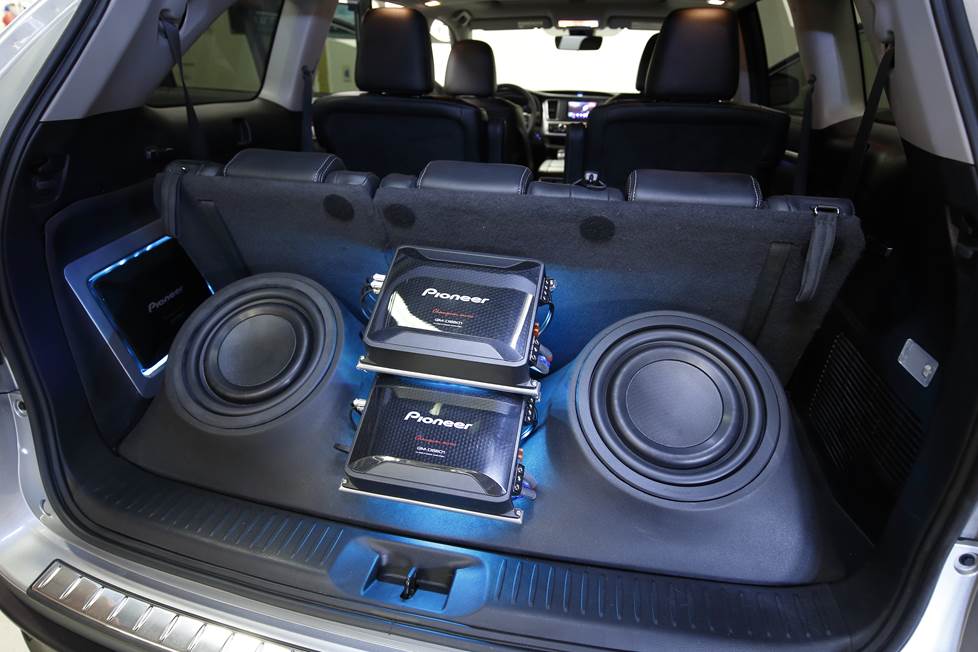
A quality sub in car adds deep bass and transforms music with richer low-end impact.
I’ve built and tuned car audio systems for years, so I know what makes a sub in car work well. This guide covers what a sub in car is, how to pick one, how to install and tune it, and real-world tips to avoid common mistakes. Read on to learn practical steps and smart choices for getting powerful, clean bass from a sub in car.

How a sub in car works
A sub in car is a dedicated speaker made for low-frequency sound. It handles bass notes that full-range speakers can’t reproduce cleanly. The sub in car needs power and an enclosure to move air efficiently and produce strong, controlled bass. Understanding the basics helps you choose the right sub in car for your vehicle and listening goals.
Types of subs and enclosures
There are several common sub in car styles and enclosure types. Choose based on sound, space, and efficiency.
-
Subwoofer types
- Component sub in car: separate voice coil and cone built for durability and performance.
- Powered sub in car: built-in amplifier, good for simple installs and tight spaces.
- Shallow-mount sub in car: fits in small trunks and cars with limited depth.
-
Enclosure types
- Sealed box: tight, accurate bass from a sub in car. Best for music that needs control.
- Ported box: louder, deeper bass from a sub in car with more output at tuned frequencies.
- Bandpass box: very loud in a narrow range; a sub in car in this box favors specific tunes.
- Free-air installs: uses vehicle cavities. A sub in car here is compact but less efficient.
Each sub in car and box pair changes tone and loudness. Match the enclosure to the sub in car specifications for best results.
Choosing the right sub for your car
Picking a sub in car is about matching power, size, and vehicle space. Think about music preference and how loud you want bass.
- Size matters: common sub in car sizes are 8", 10", 12", and 15". Larger subs move more air but need more power and space.
- Power handling: choose a sub in car with RMS ratings that match your amplifier. Underpowering or overpowering a sub in car risks distortion or damage.
- Impedance and voice coils: a dual 4-ohm sub in car allows flexible wiring to your amp. Check compatibility with your amp before buying.
- Vehicle fit: measure trunk or cargo space to ensure your sub in car and enclosure fit without blocking vents.
I usually recommend a 12" sub in car for a balanced tradeoff of punch and control. For tight spaces, a shallow-mount sub in car works well.
Installation steps for a sub in car
A solid install keeps a sub in car sounding great and safe. Follow these steps for a typical powered or component sub in car setup.
- Plan and prepare
- Measure space for the sub in car and enclosure. Gather tools, wiring kit, and mounting hardware.
- Run power
- Connect battery positive to the amplifier with a fused power cable. Use appropriate gauge wire for the sub in car and amp power draw.
- Ground and remote
- Ground the amp to clean metal within 12 inches. Hook the remote turn-on wire to the head unit to power the amp when the car starts.
- Signal and speakers
- Use RCA cables from the head unit to the amp. Connect the sub in car to the amplifier with correct polarity and wire gauge.
- Mounting and safety
- Secure the enclosure and amp. Protect wires with grommets and routing to avoid chafing or heat exposure.
Quick question: Do you need a new head unit for a sub in car? Most factory radios can work with a sub in car using high-level inputs or line-output converters, so replacing the head unit is optional.
Tuning and troubleshooting your car sub
Proper tuning makes a sub in car sound tight and clear. Poor settings cause muddiness and rattle.
-
Basic tuning steps
- Set amp gain low, then raise until bass is audible without distortion. Adjust low-pass filter to around 80 Hz for most music when using a sub in car.
- Phase and polarity: flip phase if bass sounds thin. Correct phase makes a sub in car integrate with door speakers.
- Bass boost: avoid aggressive boosts that overload a sub in car or cause clipping.
-
Common problems and fixes
- Rattling panels: tighten or add damping where the sub in car shakes trim.
- Distortion: reduce gain or add a compressor/limiter. Distortion harms a sub in car and ears.
- Weak output: check wiring, fuses, and amplifier clipping when a sub in car seems underpowered.
Short answer: Why is my sub in car loud but muddy? Usually the enclosure, poor tuning, or too much bass boost causes muddiness. Tighten tuning and select the right box for clearer bass from a sub in car.
Benefits and limitations of adding a sub in car
Adding a sub in car improves the listening experience, but it comes with trade-offs.
-
Benefits
- Deeper bass and more impact from a sub in car increases music realism.
- Less strain on factory speakers because the sub in car handles low frequencies.
- More control over tone and loudness with a sub in car and amp combo.
-
Limitations
- Space: a sub in car requires trunk or cargo room.
- Cost: a quality sub in car, amp, and box add up.
- Power needs: a sub in car may require amp upgrades and stronger battery/alternator support.
I once installed a big sub in car in a compact hatchback. The bass was fantastic, but I learned to build a custom box to fit and reinforce panels to avoid rattles.
Personal experience and practical tips
I’ve tuned dozens of sub in car systems for friends and clients. These tips save time and money.
- Always match RMS numbers between amp and sub in car to avoid blown speakers.
- Use thicker power wire than you think you need. The sub in car will thank you.
- Test the setup with diverse music to ensure the sub in car handles both hip-hop and orchestral tracks.
- Seal the enclosure well. A leaky box turns a sub in car into a weak speaker.
- Protect the battery when using big subs. Consider a secondary battery or capacitor for heavy use.
A mistake I made early on was trusting cheap wiring. It caused voltage drop and a weak sub in car. Upgrading wiring solved that instantly. These small investments make a big difference.
Frequently Asked Questions of sub in car
What size sub in car should I choose for my vehicle?
Size depends on space and music taste. A 12" sub in car is versatile; 10" is tighter and faster, while 15" hits harder but needs more power.
Do I need an amplifier for a sub in car?
Yes. Most subs require an external amplifier or a powered sub in car to reach proper volume and control. The amp provides the RMS power the sub in car needs.
Can I install a sub in car myself?
Yes, with basic tools and care you can install a sub in car. Follow wiring safety, use proper gauge wire, and secure components to avoid damage.
Will a sub in car drain my battery?
A sub in car draws power when playing loudly, but normal use won't drain a healthy battery. Heavy use may need upgraded charging or a secondary battery.
How do I tune the amp for a sub in car?
Start with low gain, set the low-pass around 80 Hz, and adjust while listening for cleaner bass without distortion. Fine-tune phase and crossover to blend the sub in car with main speakers.
Is a powered sub in car better than component subs?
Powered subs simplify installs but may limit upgrade paths. Component subs offer flexibility and usually better long-term performance for serious audio buyers.
How much does installing a sub in car typically cost?
Costs vary widely. A basic sub in car and install can be affordable, while high-end subs, amps, and custom enclosures increase price. Plan for equipment, installation, and possible electrical upgrades.
Conclusion
A sub in car brings bass depth and energy that small speakers cannot. With the right sub in car, enclosure, amplifier, and careful tuning, you’ll get clean, powerful low end that complements your music. Start by matching power and size to your car, follow safe installation steps, and tune patiently. Try one upgrade at a time, test with your favorite tracks, and enjoy the transformation. If you found this helpful, leave a comment with your car model and goals, or subscribe to get more practical car audio guides.