
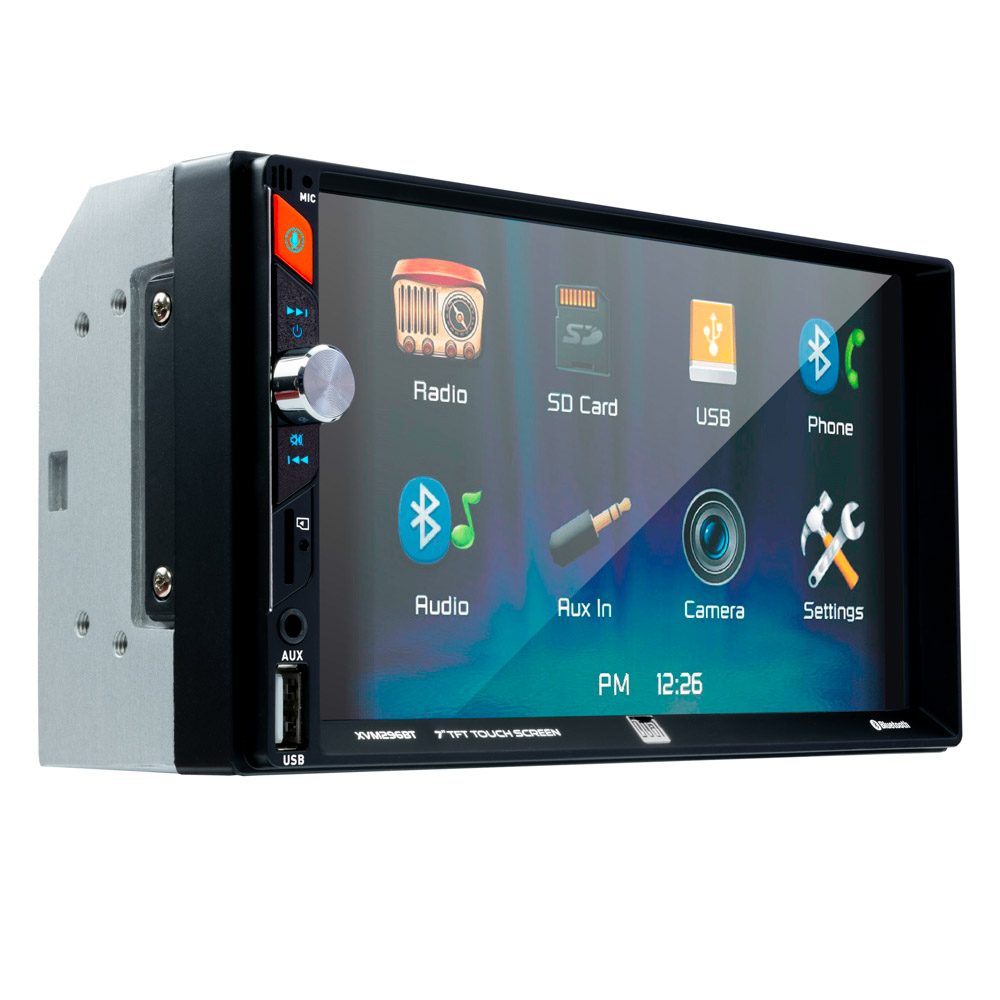
A Bluetooth car stereo connects devices wirelessly for hands-free calls and music.
I’ve worked with car audio for years, installing and testing many systems. This guide dives deep into stereo for car bluetooth options, features, and real-world tips. You’ll learn how they work, what to look for, how to install one, how to fix common problems, and which choices deliver the best value. Read on to pick a reliable stereo for car bluetooth that fits your needs and budget.

How Bluetooth Car Stereos Work
A stereo for car bluetooth uses a radio link to stream audio and route calls between your phone and the car. The unit speaks common Bluetooth profiles like A2DP for music and HFP for calls. Newer units support higher‑quality codecs and multi-device pairing for smoother switching. Understanding profiles and codecs helps you pick a stereo for car bluetooth that meets your sound and hands-free goals.
Types of stereo for car bluetooth
You’ll find several form factors and styles. Pick the type that fits your dash and needs.
- Single-DIN head units — Compact. Good for basic Bluetooth streaming and calling.
- Double-DIN head units — Larger screens. Often include Apple CarPlay and Android Auto.
- Plug-in Bluetooth receivers — Small dongles or FM transmitters. Budget-friendly for older stereos.
- Factory-fit upgrade modules — Designed to work with OEM systems and steering controls.
- Wireless adapters with DSP — Add better sound and digital signal processing to older head units.
Each type has trade-offs in sound, features, and ease of installation. Choose the style of stereo for car bluetooth that matches your vehicle and goals.
Key Features to Look For in a stereo for car bluetooth
Focus on features that matter day-to-day. Here are the essentials.
- Bluetooth version and profiles — Look for Bluetooth 5.x and support for A2DP, AVRCP, HFP.
- Codec support — aptX, aptX HD, AAC, and SBC affect sound quality and latency.
- Hands-free calling — Built-in mic quality and echo cancellation are important.
- Dual-device pairing — Lets a passenger and driver stay connected at once.
- Apple CarPlay / Android Auto — For integrated navigation and voice controls.
- Physical controls and steering wheel support — Safer, faster control while driving.
- Inputs and outputs — USB, AUX, backup camera input, preamp outputs for amps.
- Built-in equalizer and DSP — For tuning sound without extra hardware.
- Firmware updates — Future-proofing with software fixes and feature adds.
A good stereo for car bluetooth balances audio quality with connectivity and usability. Prioritize features you will actually use daily.
Installation and Compatibility
Installation ranges from plug-and-play to professional wiring work. Match the stereo for car bluetooth to your vehicle first.
- Check dash size — Single-DIN vs double-DIN.
- Use a vehicle-specific wiring harness — It saves time and prevents errors.
- Retain steering controls — Adapters keep factory buttons working.
- Confirm antenna and CAN-bus compatibility for modern cars.
- Consider professional install for airbags and complex dashboards.
I’ve installed both simple and complex systems. A proper harness and a secure ground made the biggest difference in reliability for my stereo for car bluetooth installs.
Sound Quality and Tuning Tips
Bluetooth quality depends on both source and stereo. Follow these tips to get the best sound.
- Use a high-bitrate source and a compatible codec on your phone.
- Prefer wired USB audio when available for minimal compression.
- Use the head unit’s preamp outputs to drive an external amp for clarity and headroom.
- Apply a simple EQ: reduce boxy midrange and lift highs slightly for clarity.
- Set gain and crossover on the amp, then fine-tune on the head unit.
A well-tuned stereo for car bluetooth can sound better than a poor wired setup. Take time to match levels and filter points for cleaner bass and clearer vocals.
Troubleshooting Common Issues with stereo for car bluetooth
Most problems are simple to fix. Here are common symptoms and solutions for your stereo for car bluetooth.
- Pairing failures — Delete old pairings on both phone and head unit, then re-pair.
- Dropouts and stuttering — Move the phone away from interference or update firmware.
- Latency (audio delay) — Use aptX Low Latency or switch to wired USB/AUX for video sync.
- Low call volume or poor mic quality — Check mic placement and enable noise reduction in settings.
- Static or noise — Inspect ground connection and antenna wiring for faults.
Why does my Bluetooth keep disconnecting? Frequent disconnects often come from phone settings, battery optimization, or outdated firmware; start with a software update and fresh pairing.
How can I improve Bluetooth audio quality? Use a newer Bluetooth version, enable high-quality codecs on both devices, or use USB audio if your stereo supports it.
Cost, Value, and Buying Tips
Pricing spans from under $30 to over $800. Here’s how to find value.
- Budget adapters and FM transmitters — Cheap and quick, but audio quality varies.
- Mid-range head units — $150–$400 gets reliable Bluetooth, good audio, and CarPlay/Android Auto.
- High-end systems — Add DSP, amps, and superior codecs for top sound.
Buy a stereo for car bluetooth that fits how you use it. Spend more on sound and features you’ll use, and save on extras you won’t. Consider certified installers and a solid warranty for peace of mind.
Personal Experience and Recommended Approaches
I’ve installed dozens of stereos for car bluetooth across many vehicles. Lessons from that work:
- Always test audio with several phones before finalizing the install.
- Keep firmware current; many early bugs disappear after updates.
- Use proper wire crimps and quality connectors; cheap splices cause noise and failures.
- For daily commuters, prioritize call clarity and easy controls over exotic audio features.
- For enthusiasts, allocate budget to amps and speakers first; the head unit is the control center.
If you want reliability, choose a unit with strong reviews for pairing stability. For best sound, pair a capable stereo for car bluetooth with an external amp and quality speakers.
Frequently Asked Questions of stereo for car bluetooth
How do I pair my phone with a stereo for car bluetooth?
Turn on the stereo’s Bluetooth, enable pairing mode, and select the head unit from your phone’s Bluetooth menu. Confirm any PIN prompts and allow contacts access if needed.
Will Bluetooth audio be as good as wired audio?
Bluetooth can be very good with modern codecs, but wired USB or AUX often offers lower latency and less compression for the highest fidelity. For critical listening, use a wired connection or a unit that supports high-quality codecs.
Can two phones connect to one stereo for car bluetooth at the same time?
Many head units support dual-device pairing. One phone can handle calls while the other plays media, depending on the unit’s features.
Why is my Bluetooth audio delayed when watching video?
Delay comes from Bluetooth processing and codecs. Use aptX Low Latency if supported, or switch to a wired connection to eliminate sync issues.
Do I need a professional to install a new stereo for car bluetooth?
Simple installs can be DIY with a harness and dash kit. Complex installs or vehicles with airbags and advanced electronics usually require a pro for safety and functionality.
Conclusion
A reliable stereo for car bluetooth makes driving safer and more enjoyable. Focus on compatibility, Bluetooth version, codec support, and hands-free call quality. Invest time in a proper install and basic tuning to turn Bluetooth streaming into a great listening experience. Now pick a unit that fits your budget, install it carefully, and enjoy safer, clearer audio on the road. Share your experience, ask questions below, or subscribe for more car audio guides.