
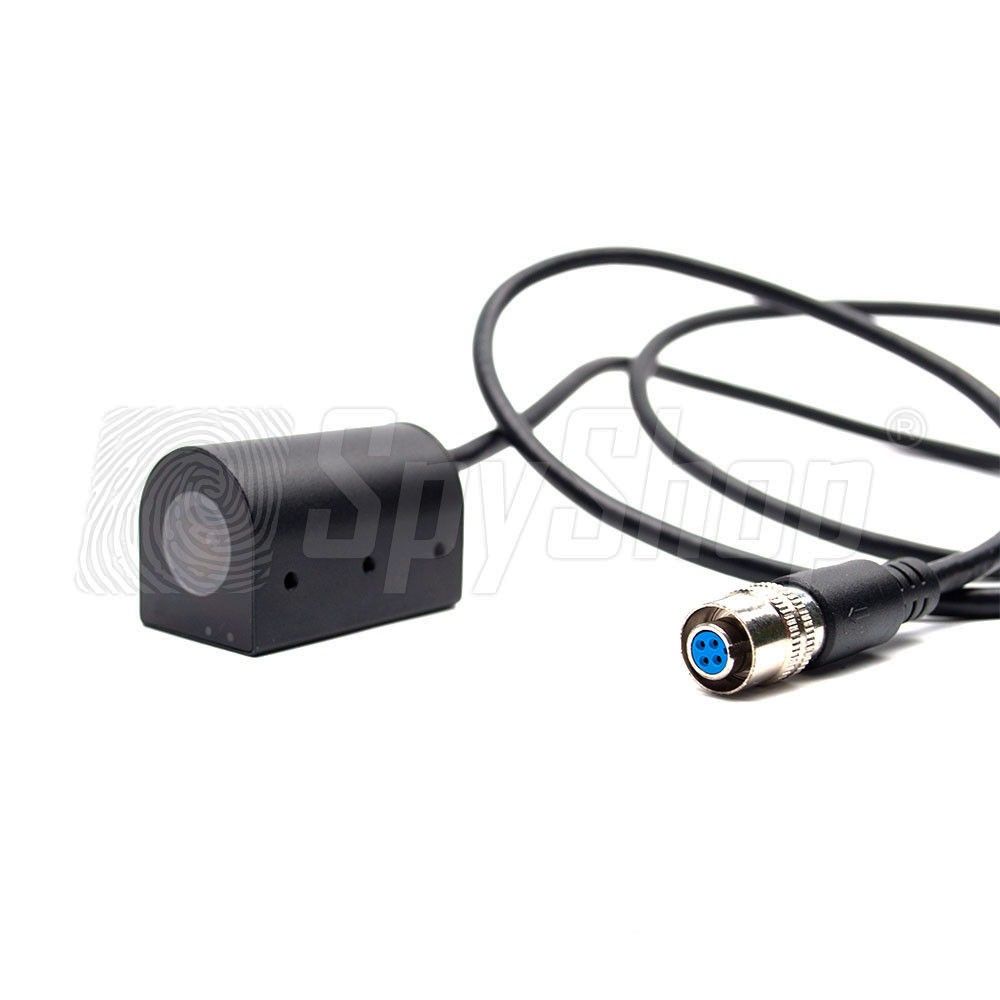
A spy camera for car is a small, hidden video recorder for vehicle security.
If you want proof after a hit-and-run or break-in, a spy camera for car can help. I test in real traffic, busy lots, and hot summers. In this guide, I break down how to pick, install, and use one the right way. You will learn what matters, what to avoid, and how to stay legal and safe.

What is a spy camera for car?
A spy camera for car is a discreet camera that records video inside or around your vehicle. It looks simple and blends in with the cabin. Many models record while parked or on the road. Some capture audio where legal.
It is not the same as a regular dash cam. A dash cam is visible and sits on the windshield. A spy camera for car focuses on being small and hidden. The goal is quiet, steady proof when you need it.
People use a spy camera for car for theft, vandalism, or proof after a crash. Rideshare drivers may also use one to protect themselves, where the law allows. Fleet owners and parents can monitor use, with clear consent. This tool can reduce stress and claims disputes.
Is it legal to use a spy camera for car?
Laws differ by country and state. You can record video in your own car in most places. But there are limits. You must respect privacy and consent rules.
Audio is the key risk. Many states need all parties to agree to audio recording. When unsure, turn audio off in the app. You can also show a notice inside the car.
Do not place a spy camera for car to record private areas. Do not use it to stalk or spy on others. If you share a car, tell other drivers there is a camera. When in doubt, talk to a lawyer in your area.
Key features to look for in a spy camera for car
Picking the right spy camera for car comes down to a few core specs. Focus on clarity, uptime, and heat safety. Then check smart extras that fit your needs.
Look for these features:
- Video quality: Aim for 1080p or higher. 2K or 4K helps read plates.
- Low light and night vision: Good sensors, wide dynamic range, or IR LEDs help at night.
- Field of view: 120–160 degrees works for most cars. Wider is not always better due to warping.
- Storage: Support for high-endurance microSD cards. Loop recording to overwrite old files.
- Motion and G-sensor: Start clips on movement or impacts. Useful while parked.
- Parking mode: Records on motion near the car. Saves battery and card wear.
- Power options: USB, OBD-II, or hardwire kit. Heat-safe batteries if internal power is used.
- Connectivity: Wi-Fi for quick downloads. LTE for alerts in real time, where offered.
- GPS: Adds speed and location to clips. Good for evidence.
- App and cloud: Simple app with two-factor login. Cloud backup can save key clips.
- Build and heat rating: Many cabins get very hot in summer. Check the temp range on the spec sheet.
I also like a design that blends in. A spy camera for car should not draw eyes. A matte finish, no lights at night, and a short cable run all help.
installation basics”style=”max-width: 100%; height: auto; border: 2px solid black; border-radius: 10px; display: block; margin: 0 auto;”
loading=”lazy”
/>
Power and installation basics
Power is the heartbeat of a spy camera for car. Decide how you want it to run. The choice sets what you can record while parked.
Common options:
- USB power: The easiest way. Works when the car is on. Cheap and simple.
- OBD-II power: Often gives constant power. Nice for parking mode. Check for draw on your battery.
- Hardwire kit: Best for clean installs. It uses fuse taps. Look for kits with low voltage cut-off to protect your battery.
- Internal battery: Only for short clips. Heat can limit battery life in a car.
Place the camera where it sees what matters. Keep it clear of airbags and driver sight lines. Do not hide it in risky spots or near moving parts. Avoid steps that could defeat local privacy rules.
Pro tip from my tests: Tidy cable runs stop rattle and reduce stress on the port. Use small clips along trim lines. A stable mount cuts motion blur and makes plates easier to read.
Real-world use cases and benefits
I first added a spy camera for car after a late-night break-in on my street. Motion clips caught a person trying door handles. The footage and time stamp helped the report. My neighbors then added lights, and the attempts stopped.
Here are common wins:
- Hit-and-run evidence while parked.
- Vandalism or theft attempts on camera.
- Safer rideshare work, with clear passenger notice where required.
- Records during road rage or fraud attempts, like staged bumps.
- Fleet checks on routes and stops, with proper consent.
A spy camera for car cuts doubt. It gives context when stories clash. It also calms nerves. You know you have a record if something goes wrong.
Storage, privacy, and data security
Storage is the backbone of your spy camera for car. Use high-endurance microSD cards. They last longer under constant writes. Format cards in the camera as the maker suggests.
Think about how you protect clips:
- Use app passwords and two-factor login.
- Update firmware to patch bugs.
- Encrypt files where the device supports it.
- Limit who can access the app or cloud account.
- If you sell the car, wipe the card and reset the device.
Cloud backup can save the best clips if your car is stolen. But check the plan cost and how long they keep your data. Keep only what you need. Short retention cuts risk.
Troubleshooting and maintenance
Cars are harsh on tech. Heat, cold, and bumps test every spy camera for car. A little care keeps yours working.
Try these fixes:
- Blurry video: Clean the lens with a soft cloth. Replace a scratched protector.
- App will not connect: Reboot the camera. Reset Wi-Fi. Update firmware and the app.
- SD errors: Use a high-endurance card. Format monthly. Replace cards that throw errors.
- Overheating: Move the camera out of direct sun if you can. Set lower bitrate or turn off IR in hot months.
- False alerts: Reduce motion sensitivity. Exclude areas that see trees or street lights.
A quick monthly check helps. Review a clip at day and night. Confirm time and date. Make sure the lens angle still works for your layout.
Buying guide by use and budget
You can find a good spy camera for car at many price points. Pick by what you need most. Do not pay for features you will not use.
For basic proof on a budget:
- 1080p video with loop recording
- Motion detection and G-sensor
- Support for 128 GB endurance cards
- Simple USB power
For daily drivers and commuters:
- 2K video with good night performance
- Parking mode with OBD-II or hardwire kit
- Wi-Fi app and GPS tagging
- Heat rating for summer use
For high-risk areas or fleets:
- Dual cameras or interior plus rear coverage
- LTE alerts and cloud clip upload
- Tamper-resistant mount and hidden cabling
- Remote health checks and bulk management
Match the camera to your climate. If you live in hot zones, heat rating matters more than extra pixels. A stable, cool unit will beat a sharper one that shuts down.
Alternatives and complements
A spy camera for car is one tool. You can pair it with others for better safety and proof.
Consider these options:
- Dash cam: Visible and simple. Great for daily driving footage.
- Rear camera: Helps with parking and rear impact proof.
- GPS tracker: Shows live location if the car is stolen.
- Car alarm and wheel lock: Adds a visible layer to deter crime.
- Better lighting and camera signs: Can reduce attempts at night.
Pick what fits your risk. In quiet areas, a basic spy camera for car may be enough. In busy cities, a layered setup works best.
Setup checklist and quick tips
Use this short list when you install a spy camera for car. It keeps things easy and safe.
- Plan power first. Choose USB, OBD-II, or a hardwire kit with low voltage cut-off.
- Place the camera high and centered if possible. Keep it clear of airbags and driver sight.
- Use an endurance microSD card. Format it in the device.
- Set date, time, and time zone. Turn on loop and G-sensor.
- Tune motion sensitivity for your spot. Test day and night.
- Secure cables with clips. Avoid pinch points in doors or trim.
- Review a test clip before you drive. Adjust the angle as needed.
- Follow all local laws. Post a notice if you record passengers or audio where needed.
Frequently Asked Questions of spy camera for car
Is a spy camera for car better than a dash cam?
They solve different needs. A dash cam is visible and easy to mount, while a spy camera for car is small and discreet for parked and theft scenarios.
Can I record audio with a spy camera for car?
It depends on your local laws. Many places need consent to record audio, so check rules or turn audio off.
How long does the battery last on a spy camera for car?
Most small units rely on the car’s power. Internal batteries often record short clips only, and heat can shorten life.
Will it drain my car battery if I use parking mode?
It can if left unmanaged. Use a hardwire kit with a low voltage cut-off or tune motion settings to reduce draw.
What microSD card should I use?
Pick a high-endurance card from a known brand. These are built for constant writing and last longer in a car.
Can a spy camera for car capture license plates at night?
It can, but it depends on sensor quality, exposure, and angle. Aim for 2K or higher and reduce glare with good placement.
Do I need Wi-Fi or LTE on my spy camera for car?
No, but they help. Wi-Fi makes downloads easy, and LTE can send alerts and cloud clips when you are away.
Conclusion
A smart, legal setup with a spy camera for car can protect your car, your time, and your peace of mind. Focus on clear video, safe power, and strong data habits. Keep it simple and test it often.
Use the checklist above to set yours up this week. Pick the features that match your risk and budget. If you found this helpful, subscribe for more field-tested gear tips, or drop a comment with your setup questions.