
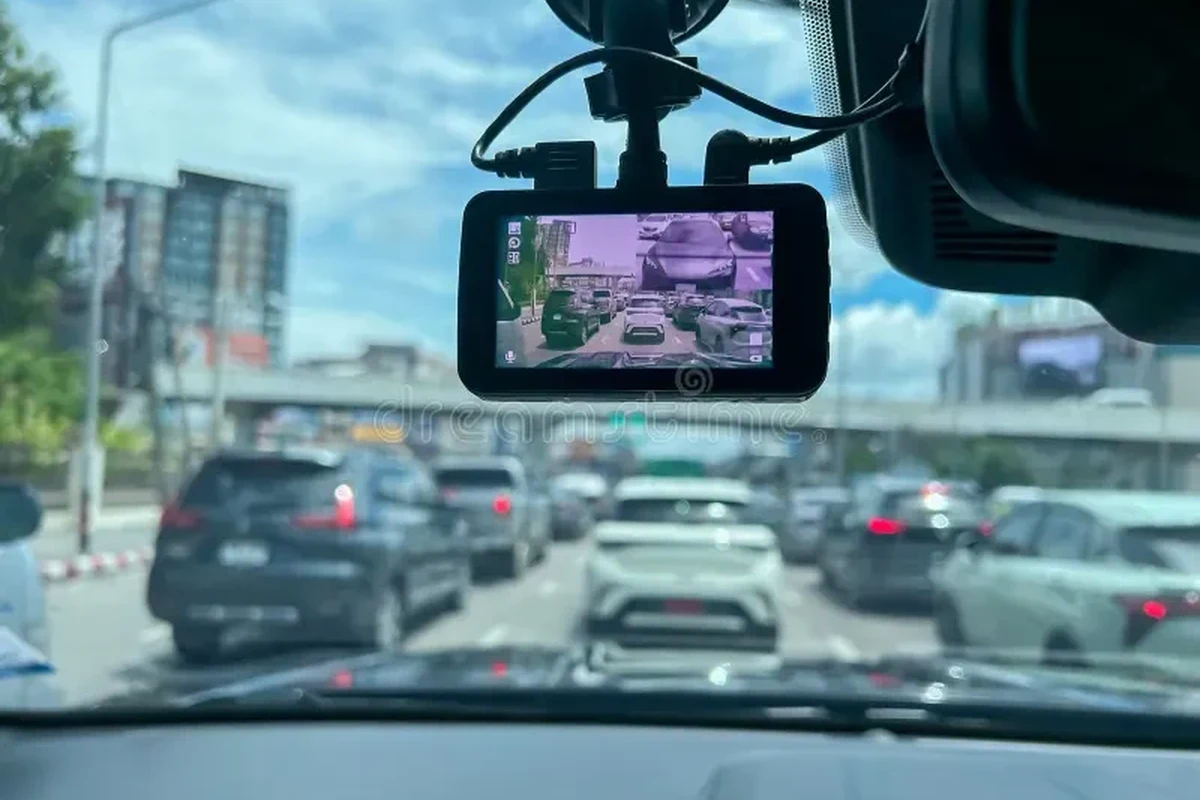
Dash cam footage helps document accidents, parking incidents, and roadside disputes, making it a useful companion to emergency gear like a jump starter. In 2026, the best setup is one that records clearly, stores files safely, and matches your vehicle’s power needs.
Dash cam footage can be one of the most useful tools for documenting what happened on the road, especially when you also rely on a jump starter for emergency readiness. In 2026, the best setup is the one that records clearly, stores files safely, and works reliably with your vehicle’s power needs.
- Clear recording matters most: Night performance, readable plates, and stable mounting are more important than flashy extras.
- Storage needs maintenance: Loop recording is useful, but memory cards still need regular checks and occasional replacement.
- Power planning is essential: Hardwire kits, battery packs, and 12V setups serve different parking and driving needs.
- Footage supports, but does not replace, other protection: It works best alongside a jump starter, roadside help, and insurance coverage.
Dash Cam Footage: What It Is and Why It Matters for Jump Starter Buyers

Dash cam footage is a recorded video log of your driving, and it can help explain events that happen before, during, or after a roadside problem. For drivers shopping in the jump starter category, the connection is simple: if you already care about being prepared for dead batteries and emergency starts, it also makes sense to think about how you would document the situation if another driver, a parking lot incident, or a roadside dispute is involved.
How dash cam footage supports roadside safety, claims, and emergency decisions
Good footage can help show traffic conditions, lane position, brake lights, weather, and the sequence of events leading up to an incident. That can support an insurance claim, help police understand the scene, or give you a clearer memory when stress makes details hard to recall.
It is especially helpful in situations where two drivers remember the event differently. In those cases, knowing how to request dash cam footage from police may matter if an officer, city camera system, or another party has relevant video.
Who this guide is for: daily drivers, commuters, rideshare users, and road-trip travelers
This guide is for anyone who wants practical protection without overcomplicating the setup. Daily commuters may want simple front-facing coverage, rideshare drivers often need reliable recording during frequent stops, and road-trip travelers may care more about parking mode, storage, and long-term file protection.
For jump starter shoppers, dash cam footage is not a replacement for emergency power, but it can be an important layer of protection when a roadside event turns into a dispute or claim.
How to Choose the Right Setup in 2026: Key Features That Matter Most
The right dash cam setup depends less on flashy marketing and more on how clearly it captures events, how long it stores them, and how well it fits your vehicle’s power system. In 2026, buyers should focus on reliability, ease of use, and whether the camera can keep recording when the car is parked or the battery is under strain.
Video quality, night performance, and wide-angle coverage
Resolution matters, but it is only one part of the picture. A sharp image with poor low-light performance can still fail when you need to read a plate at dusk or in a dim parking lot, so look for strong night performance and a lens wide enough to capture adjacent lanes without turning everything into a distorted edge view.
Storage, loop recording, and file protection during impacts
Most dash cams use loop recording, which overwrites the oldest files when storage fills up. That is useful, but only if the camera can protect important clips automatically after a sudden stop, impact, or manual lock command.
If you want to understand retention better, see our guide on how long dash cam footage lasts. Storage habits matter just as much as camera quality, especially if you do not regularly format or replace the memory card.
Power options: battery, hardwire kits, and jump starter compatibility
Power setup is a major ownership decision. Some cameras run from a 12V outlet, some use hardwire kits for parking mode, and some pair with battery packs designed to keep recording when the engine is off.
For drivers who already keep emergency gear in the car, it is worth thinking about how a camera interacts with a portable power setup. If you want parked-car coverage, our articles on the dash cam battery pack and how a dash cam works when the car is off can help you compare options. A jump starter can help get the car running again, but it is not the same thing as a dedicated camera power source.
App control, GPS tagging, parking mode, and emergency lock features
App control can make it easier to view clips, change settings, and save files without removing the memory card. GPS tagging adds speed and location data, which may help explain where footage was recorded, while parking mode can capture activity after the vehicle is shut off.
Emergency lock features are also worth attention. They can protect a clip from being overwritten after a sudden motion event, which is useful if you need the recording later for an insurance discussion or police report.
- Prioritize stable recording and readable detail over the highest resolution number on the box.
- Choose parking mode only if you understand the power draw and installation requirements.
- Use a high-endurance memory card made for continuous recording, not a random spare card.
Best Use Cases for Dash Cam Footage in Real-World Driving
Dash cam footage is most valuable when it solves a real problem quickly. That usually means proving what happened, showing where damage occurred, or helping you remember a sequence of events that would otherwise be disputed.
Accident documentation and insurance support
After a collision, even a short clip can help establish direction of travel, traffic signal status, and whether another driver changed lanes unexpectedly. Insurance companies may still investigate independently, but video can reduce confusion and help move the claim process along.
That said, footage is a tool, not a guarantee. It can support your account, but it may not answer every question on its own, especially if the angle is blocked or the plate is unreadable.
Parking incidents, hit-and-runs, and theft deterrence
Parking lot damage is one of the most frustrating situations for drivers because there is often no witness and no immediate explanation. Parking mode can help record motion or impact while the vehicle is unattended, which may be useful after a hit-and-run or suspicious activity near the car.
Parking mode should be installed and configured carefully so it does not drain the vehicle battery or create unsafe wiring issues. If you are unsure about the setup, follow the manufacturer’s instructions or use a qualified installer.
Long-distance travel, fleet use, and work vehicles
Long trips create more opportunities for weather changes, road debris, and unexpected driver behavior. Fleet and work vehicles may benefit even more because footage can support route documentation, incident review, and driver accountability.
For commercial users, a front-and-rear setup or a fleet-oriented system is often more useful than a basic single-lens camera. If that is your situation, you may also want to compare options on best dash cam for fleet vehicles and best dash cam for car to narrow the fit by use case.
What to Look For Before You Buy: Value, Build Quality, and Ease of Ownership
The best camera is the one you will actually keep working. That means checking durability, setup complexity, and whether the design fits your driving habits instead of creating extra maintenance.
Durability, heat resistance, and reliable mounting
Cars get hot, especially in summer or when parked outdoors, so heat resistance matters. A camera that overheats or loses its mount can fail at the exact moment you need it most.
Mount quality matters too. A secure mount helps keep the lens aimed correctly, which is essential if you want usable footage rather than a picture of the dashboard or windshield trim.
Simple setup, app reliability, and everyday usability
Ease of ownership is often underrated. If the app is confusing, the Wi-Fi connection is unstable, or the settings reset too easily, you may stop using features that were part of the reason you bought the camera.
Before buying, look for a setup process that matches your comfort level. Some drivers want a plug-and-play unit, while others are fine with hardwiring and app pairing if it delivers better parking coverage.
| Option | Best For | Key Consideration |
|---|---|---|
| Entry-level | Simple commuting and basic incident recording | Usually fewer features and less robust app support |
| Midrange | Most daily drivers | Balanced image quality, storage, and usability |
| Premium | Frequent travelers, fleets, and parking-mode users | More features, but setup and cost can be higher |
Budget tiers: entry-level, midrange, and premium options
Budget tiers are best understood as feature groups, not fixed price promises. Entry-level models may cover basic front-facing recording, midrange models often add better night visibility or app support, and premium options may include dual channels, GPS, parking mode, and stronger image processing.
Because pricing changes often, confirm current availability and feature lists before buying. A higher price does not automatically mean better real-world footage if the camera is difficult to use or overheats in your climate.
New vs. used considerations and when refurbished gear makes sense
New gear is usually easier to evaluate because the warranty terms, accessories, and return policy are clearer. Used or refurbished cameras can make sense if the seller is reputable and the unit includes the right cables, mounts, and a known-good memory card recommendation.
Refurbished equipment is most reasonable when the model is still supported and the savings are meaningful. Be cautious with used electronics that rely on wear items like mounts, batteries, or memory cards, because those parts often age before the camera body does.
- Confirm the camera’s power method and whether it fits your vehicle
- Check memory card compatibility and endurance requirements
- Review warranty terms, return policy, and app support
- Verify whether parking mode needs hardwiring or a battery pack
Common Mistakes That Reduce the Value of Dash Cam Footage
Many dash cams fail not because the hardware is bad, but because the setup is wrong. A camera can only help if it captures the right angle, stores the right clip, and keeps recording when needed.
Poor placement, wrong settings, and unreadable license plates
If the camera is mounted too low, too high, or behind a tinted band, the footage may not show the details you expected. Settings matter too; the wrong exposure, resolution, or frame rate can make plates harder to read at night or in fast traffic.
Avoid assuming that a wide view is always better. Ultra-wide lenses can capture more of the scene, but they may also reduce detail if the camera sensor or processing is not strong enough.
Ignoring memory card health and overwrite risks
Memory cards wear out over time, especially in devices that record continuously. If the card begins to fail, footage may corrupt, disappear, or stop saving correctly without an obvious warning.
Regular formatting, using the correct card type, and replacing aging storage on schedule are simple ways to reduce that risk. If you are unsure about maintenance, our guide on how to format an SD card for a dash cam explains the basic upkeep process.
Assuming footage is always admissible or automatically decisive
Video can be persuasive, but it is not automatically decisive in every claim, court case, or police review. Rules about admissibility and privacy vary by location, and the quality of the recording still matters.
Even excellent footage can be less useful if the camera clock is wrong, the lens is dirty, or the file is overwritten before you save it.
Safe Use, Care, and Maintenance for Long-Term Reliability
Like any electronics in a car, dash cams need basic care to stay dependable. A little maintenance can make the difference between a camera that quietly works and one that fails when you need the clip most.
Cleaning lenses and keeping mounts secure
Dust, fingerprints, and condensation can soften the image and reduce plate readability. A gentle lens cleaning routine and a quick check of the mount can keep footage clearer without much effort.
It also helps to confirm that the camera still points where you want it after hot weather, rough roads, or windshield cleaning.
Managing heat, cable routing, and battery safety
Heat is one of the biggest long-term issues for in-car electronics. Keep cables routed away from moving parts and avoid placing equipment where it blocks visibility or interferes with airbags.
If your setup uses a battery pack or hardwire kit, follow the manufacturer’s instructions carefully. For readers comparing power solutions, our guides to the dash cam battery pack 2 and how to prevent a dash cam from draining the battery may help you think through safe ownership.
Updating firmware and checking recordings regularly
Firmware updates can improve stability, app performance, or compatibility, but they should be installed only from the manufacturer’s official source. After updates, it is smart to verify that recording still works, the date and time are correct, and saved clips can be played back.
A quick monthly check is usually enough for many drivers. That habit can catch a bad card, loose mount, or setting change before it becomes a problem.
Dash Cam Footage vs. Other Roadside Protection Tools: What Delivers the Most Value?
Dash cam footage is most valuable when you want evidence. Other roadside tools solve different problems, so the best setup often combines several layers of protection rather than relying on one device.
How it compares with jump starters, roadside assistance, and insurance add-ons
A jump starter helps get the vehicle running after a dead battery. Roadside assistance helps with towing or service dispatch, and insurance add-ons may cover specific risks depending on your policy. Dash cam footage, by contrast, helps document what happened and may reduce confusion after an incident.
That means the tools are complementary, not interchangeable. If your priority is emergency mobility, a jump starter comes first. If your priority is proof after an event, footage becomes more important.
Where dash cam footage adds the most protection and where it falls short
Dash cam footage adds the most value in disputed accidents, parking damage, and fleet accountability. It falls short when the angle is blocked, the camera was off, the plate is too far away, or the event happens outside the camera’s field of view.
- Documents events objectively when the view is clear
- Can support claims, reports, and driver memory
- Useful for commuting, parking, and travel
- Depends on correct setup and storage maintenance
- Cannot guarantee plate readability in every situation
- May need extra power planning for parking mode
Final Recommendation: Is Dash Cam Footage Worth Prioritizing in 2026?
For most drivers, yes—dash cam footage is worth prioritizing if you want practical protection against disputes, parking damage, and unclear roadside incidents. It is especially worthwhile for commuters, rideshare drivers, family vehicles, and anyone who already keeps emergency gear like a jump starter in the car.
Best-fit drivers and buying priorities
The best fit is a driver who values clear evidence, simple operation, and dependable storage more than novelty features. Prioritize video quality in low light, reliable loop recording, a good memory card, and a power setup that matches how and where you park.
Transparent verdict on when to invest now and when to wait
Invest now if you regularly drive in traffic, park in public lots, or want better documentation for claims and incidents. Wait only if you are not ready to choose the right power method, storage plan, and mounting setup, because those details matter as much as the camera itself.
Dash cam footage is a smart priority for drivers who want evidence, accountability, and added peace of mind in 2026. The best purchase is the one that fits your driving routine, records reliably in your lighting conditions, and is maintained well enough to work when it counts.
Common Questions
It is mainly used to document driving events, accidents, and parking incidents. It can also help with claims or police reports.
Not always, but it helps if you want broader coverage. Front-only is fine for many drivers, while dual-channel setups are better for rear impacts.
Use a high-endurance card made for continuous recording. Regular consumer cards may wear out faster in a dash cam.
It can, depending on the setup and how long the vehicle sits. Hardwire kits and battery packs can help, but they must be installed correctly.
No. Rules vary by location, and the clip still needs to be clear, accurate, and properly saved.
Frequently Asked Questions
It can help document accidents, parking incidents, and roadside disputes. Clear video may also support insurance claims and police reports.
Focus on video quality, night performance, storage reliability, and the right power setup for your vehicle. App support and parking mode can also matter if you want more convenience or parked-car coverage.
Check recordings regularly and confirm the date, time, and playback are working. Memory cards wear out over time, so periodic formatting and replacement can help prevent file loss.
It can be very helpful, but it is not always decisive on its own. The angle, lighting, and whether the clip was saved correctly all affect how useful it is.
Often, yes, depending on the camera and how you want it powered. Some setups use a battery pack or other power source, but you should follow the manufacturer’s instructions to avoid battery drain or wiring issues.
New units are usually easier to evaluate because warranty and return terms are clearer. Refurbished gear can make sense if the seller is reputable and the camera still has support, but check accessories, storage compatibility, and condition carefully.