
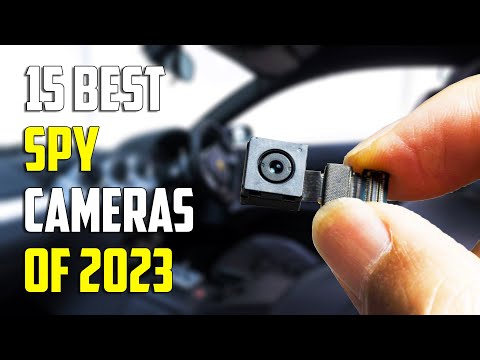
Car spy cameras are small hidden video devices that protect vehicles and evidence.
If you want a clear record of what happens in and around your car, car spy cameras offer quiet, constant proof. I test, install, and set up these systems for daily drivers and fleet owners. In this guide, I break down how car spy cameras work, what to buy, how to install them, and how to use them within the law—without the fluff.

What Are Car Spy Cameras?
Car spy cameras are compact video recorders that blend into a vehicle’s interior. They capture video, and sometimes audio, without drawing attention. Many look like a USB charger, a rearview mirror, or a small button.
These tools differ from standard dash cams. A regular dash cam sits in plain view on the windshield. Car spy cameras focus on low-profile use, parked-mode recording, and discreet mounting. They help with theft, hit-and-runs, and false claims.
Common features include loop recording, motion detection, G-sensor event clips, and night vision. Some add GPS, Wi-Fi, 4G, and cloud backup. Storage is usually a microSD card that overwrites old footage when full.
Why Use Car Spy Cameras?
The main reason is proof. When something happens, you get video you can trust. It can speed up insurance claims and help law enforcement.
They also protect your car when you are away. Good models record motion or impacts in parking mode. If someone bumps your door or tries to break in, you capture it. For teen drivers, you gain visibility and can coach safer habits without guesswork.
In my work with rideshare drivers and small fleets, car spy cameras reduced disputes and losses. Drivers felt safer. Owners saw fewer false claims.
Key Features to Look For
Pick features based on your needs and local laws. Start with the basics, then add nice-to-haves.
Must-have features
– Resolution and clarity: Aim for 1080p as a base. 2K or 4K helps with plates at night.
- Night vision: Larger sensors and wide dynamic range improve low-light detail.
- Field of view: 120–160 degrees is a good balance. Wider is not always better due to distortion.
- G-sensor: Locks impact clips so they do not get overwritten.
- Loop recording: Keeps recording without manual file cleanup.
- Reliable power: Supports parking mode with hardwire kit or built-in battery.
Nice-to-have upgrades
- Wi-Fi or Bluetooth: Quick clip transfers to your phone.
- GPS: Speed and location data on playback.
- 4G/LTE and cloud: Remote alerts and backup for critical clips.
- Buffered parking mode: Records a few seconds before motion or impact.
- Discreet design: Blends into the car so it is not easy to spot.
- Audio recording: Check consent laws in your region.
- Interior IR LEDs: Great for rideshare, but verify passenger notice rules.
Types and Form Factors
Car spy cameras come in many shapes. Form factor matters for concealment, power, and view.
Popular types
- Stealth dash cam: Slim, adhesive-mounted by the mirror. Looks like a sensor cover.
- Mirror cam: Replaces or clips over your rearview mirror. Looks stock and gives a big screen.
- USB charger cam: Sits in the 12V socket. Low-profile, but limited view and features.
- OBD2 cam: Draws hidden power from the OBD port. Easy install. Check port clearance.
- Interior button or trim cam: Tiny lens in a button-sized body. Advanced to place and aim.
Front-only is simplest. Two-channel adds rear or interior coverage. Three-channel covers front, rear, and cabin for full protection.
Installation and Power Options
Great video starts with good mounting and power. You can do it in under an hour if you plan.
Basic steps
- Choose the view. Place the lens high near the mirror for the front. For rear, center it at the top of the window.
- Clean glass. Use alcohol to remove film and dust.
- Stick and aim. Keep the horizon level. Avoid wiper shadows and tint bands over sensors.
- Manage cables. Tuck wires under headliner and A-pillar trim. Keep clear of airbags.
- Power it. Use the 12V socket, OBD2 adapter, or a hardwire kit to the fuse box.
Power choices
- 12V socket: Easiest, but may turn off when the car sleeps.
- OBD2: Easy hidden power. Some cars dislike constant OBD load.
- Hardwire: Best for parking mode. Use an add-a-fuse and a low-voltage cutoff to protect the battery.
- Battery pack: Cleanest parking power and no risk to the starter battery.
Tip from installs: Do not route cables over airbag seams. Use cloth tape to avoid rattles.
Legal and Ethical Considerations
Car spy cameras live in a legal gray zone if misused. Know the rules before you record.
- Expectation of privacy: Recording public roads is usually fine. Do not record where people expect privacy.
- Audio consent: Some places require two-party consent for audio. Disable cabin audio if unsure.
- Notice for passengers: A small sign can help, and in some regions it is required.
- Placement: Do not block your view. Some states restrict windshield mounts.
- Use of footage: Share with insurers or law enforcement as needed. Avoid public posting without consent.
I am not a lawyer. When in doubt, check local laws or ask a professional.
Storage, Connectivity, and Data Security
Strong storage habits stop lost clips. Good security protects your identity.
- MicroSD cards: Use high-endurance U3 or V30 cards. Replace every 12–18 months in hot climates.
- File formats: H.265 saves space with similar quality. H.264 is more compatible.
- Bitrate and frame rate: Higher bitrate means clearer plates. 30 fps is smooth and stable.
- Locking clips: Set G-sensor sensitivity so potholes do not flood protected folders.
- Cloud and alerts: Cellular models can push events to your phone and back up key clips.
- Data safety: Change default passwords. Use app two-factor if offered. Avoid open Wi-Fi.
I test cards by filling and reading them three times before real use. Weak cards fail early.
Real-World Use Cases
These are moments where car spy cameras paid off for me and my clients.
- Parking lot hit-and-run: A client’s rear cam caught a plate at dusk. Insurer settled in days.
- Vandalism at night: Motion plus IR on an interior cam saw a face and a tool. Police recovered the items.
- Rideshare disputes: Interior cams with clear audio reduced false claims and protected drivers.
- Fleet coaching: GPS-tagged clips helped train smoother braking and safer following gaps.
Small details matter. Clean glass, sharp focus, and a stable mount often decide if a plate is readable.
Setup Checklist and Best Practices
Use this quick list to dial in your system.
- Update firmware before mounting.
- Set correct time zone and daylight saving.
- Choose a balanced exposure. Avoid crushed shadows at night.
- Enable buffered parking if available.
- Tune G-sensor so it triggers only on real impacts.
- Schedule a monthly microSD health check and a five-second test clip.
Common mistakes to avoid
- Mounting behind tint with metal content.
- Letting the lens point at the sky.
- Using cheap, non-endurance cards.
- Forgetting low-voltage cutoff during long parking sessions.
Troubleshooting and Maintenance
Most problems are simple to fix once you know where to look.
- Overheating or shutdown: Move the cam behind the mirror shade, lower bitrate, or add a battery pack. Use heat-rated models in hot areas.
- Bad night video: Clean the lens, reduce reflections with a polarizing filter, and turn off bright dashboards.
- SD card errors: Reformat in the camera monthly. Replace the card if errors repeat.
- App won’t connect: Reset Wi-Fi, forget the network on your phone, and check for firmware updates.
I keep a microfiber cloth and spare card in the glove box. Quick fixes save trips.
Buying Guide and Budget Tiers
Price often tracks features and thermal design. Spend for the features you will use each week.
Entry level
- 1080p, basic night mode, loop recording.
- Good for simple proof in daylight.
- Use high-endurance cards to extend life.
Mid range
- 2K or 4K, buffered parking, Wi-Fi, GPS.
- Better plates and stable parking mode.
- Good for daily drivers and rideshare.
Pro level
- 4K front with rear and interior, advanced heat handling, LTE cloud, encryption.
- Ideal for fleets and hot climates.
- Faster support and better build.
Before you buy, confirm your local laws about audio and mounting. Check return policy in case the view or glare is not right for your car.
Frequently Asked Questions of car spy cameras
Are car spy cameras legal to use?
It depends on your location and how you use them. Recording public roads is often fine, but audio and passenger recording may need consent.
What is the difference between car spy cameras and dash cams?
Car spy cameras are low-profile and focus on discreet use. Dash cams are more visible and often have bigger screens and mounts.
Do I need 4K for clear license plates?
Not always. Good 1080p with a high bitrate and clean glass can read plates, but 4K helps in fast or low-light scenes.
How long does footage stay on the memory card?
It depends on card size, resolution, and bitrate. With loop recording, old files are overwritten, but locked clips are kept.
Can car spy cameras record while parked?
Yes, with parking mode and steady power. Use a hardwire kit with a low-voltage cutoff or a dedicated battery pack.
Conclusion
Car spy cameras give you quiet, steady proof when it matters. Choose a form factor that fits your car, follow the law, and set up power the right way. Keep the lens clean, the card fresh, and the settings tuned for your roads.
If you are ready to start, pick a model that matches your needs and budget, then follow the checklist above. Want more tips and field-tested settings? Subscribe, ask a question, or share what you want to film next.