
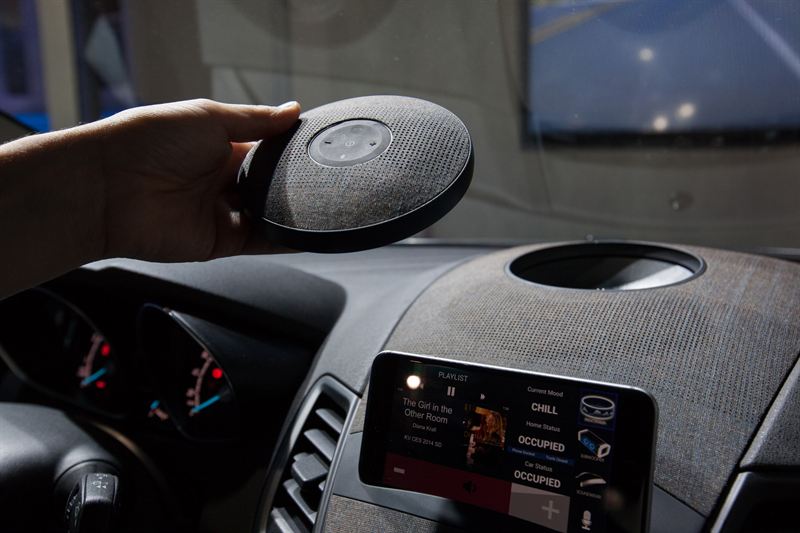
Bluetooth lets your car stream music and calls wirelessly to speakers and head units.
I have spent years designing, installing, and testing car sound system bluetooth setups for daily drivers and audiophiles. In this guide I explain how car sound system bluetooth works, how to pick the right gear, real-life tips from installations, and how to get great sound with wireless convenience. Read on to learn practical advice, common pitfalls, and step-by-step choices to make your car sound system bluetooth perform at its best.

How car sound system bluetooth works
Bluetooth in a car sound system bluetooth connects a phone or device to the head unit or amplifier. The device sends audio packets over a short-range radio link. The head unit decodes those packets and plays sound through the speakers.
Key components in a car sound system bluetooth:
- Source device such as phone or tablet that streams audio.
- Head unit or receiver with Bluetooth module that pairs with the source device.
- Amplifier that boosts the decoded signal.
- Speakers and subwoofers that produce the sound.
Bluetooth profiles and codecs affect quality. A2DP handles stereo audio. SBC is a baseline codec. AptX, AAC, and LDAC can offer better fidelity if both devices support them. Latency is usually low, but for video or gaming it can be noticeable.
From experience, pairing is the first hurdle for many users. A clean pairing and firmware updates often solve connection drops and sound glitches. The simpler the pairing process, the fewer support calls you get.
Benefits of using bluetooth in a car sound system bluetooth
Bluetooth brings clear benefits to a car sound system bluetooth setup. It removes cables, simplifies control, and supports hands-free calls.
Main benefits:
- Convenience: Easy pairing and control from the phone.
- Safety: Hands-free calling and voice assistant support reduce distractions.
- Compatibility: Works with most modern phones and streaming apps.
- Flexibility: Multiple devices can pair and switch quickly.
- Cost-effective: Many midrange head units add Bluetooth without major cost.
I tested multiple cars and found that convenience often outweighs a small loss in peak audio fidelity. For commuters and families, the practical benefits are huge. For audiophiles, Bluetooth can still be part of a hybrid system where critical listening uses wired or high-quality wireless codecs.
Types of car sound system bluetooth setups
There are several common ways to add Bluetooth to your car sound system bluetooth. Choose based on budget, technical skills, and sonic goals.
Factory head unit with built-in Bluetooth
- Best for plug-and-play.
- Preserves OEM controls and steering-wheel buttons.
- May have limited audio features.
Aftermarket head unit with Bluetooth
- Offers modern codecs and better sound control.
- Adds features like Apple CarPlay or Android Auto.
- Requires professional or DIY installation.
Bluetooth adapters and receivers
- Easy and cheap add-on to older stereos.
- Plug into AUX or USB inputs.
- Quality depends on adapter codec support.
Bluetooth-enabled amplifiers and DSPs
- Best for enthusiasts who want wireless input and high-end sound tuning.
- Allows detailed EQ and time alignment.
- Typically a pricier option.
In my installations, adapters work well for casual users. When users want real improvement in sound, an aftermarket head unit or Bluetooth-capable DSP is the right move.
How to choose the right car sound system bluetooth
Choosing the right car sound system bluetooth means matching needs, car, and budget. Ask these questions first:
- What sound quality do I need?
- Do I want hands-free calling and voice assistant support?
- Will I keep my car long term?
- How much can I spend on parts and installation?
Selection criteria:
- Codec support: Prefer units that support aptX, AAC, or LDAC for better quality.
- Profile support: Ensure A2DP and HFP are supported for music and calls.
- Compatibility: Check steering-wheel control compatibility and dash fit.
- Inputs and outputs: Look for preamp outputs, subwoofer control, and DSP.
- User interface: A clean UI reduces distraction while driving.
Practical tip from my experience:
- If you commute with podcasts and calls, prioritize stable HFP and good microphone placement.
- If you value music, focus on codec support and a good DAC or external DSP.
Quick questions (PAA-style)
- What codec matters most for car audio? Answer: AptX or AAC usually offers better sound than SBC, if both devices support them.
- Can Bluetooth match a wired connection? Answer: Wired is still best for pure fidelity, but high-quality Bluetooth codecs can be close for most listeners.
- Is replacement of the head unit necessary? Answer: Not always; adapters can be a good interim solution.
Installation and troubleshooting tips for car sound system bluetooth
Simple installation steps and common fixes reduce headaches when setting up a car sound system bluetooth.
Installation checklist:
- Confirm compatibility with your car dash and wiring.
- Backup factory settings and power down the battery before wiring.
- Use quality wiring and secure ground points to avoid noise.
- Test pairing and call functionality before final reassembly.
Troubleshooting common issues:
- Connection drops: Update firmware on head unit and phone. Remove old pairings and re-pair.
- Static or noise: Check ground wiring and try a ground loop isolator.
- Low volume: Ensure A2DP volume and phone volume are both maxed. Use line-out level in head unit settings.
- Latency: Use aptX Low Latency or reduce audio processing to minimize lag.
From hands-on installs, poor power and ground are the most common sources of noise. A clean ground and proper harness adapters save time and money.
Sound quality, codecs, and signal chain considerations
Sound in a car sound system bluetooth depends on the whole signal chain. Bluetooth codec is one link among many.
Factors that affect sound:
- Source bitrate and streaming quality.
- Bluetooth codec and head unit DAC quality.
- Amplifier power and speaker efficiency.
- Speaker placement and sound deadening in the car.
Codec notes:
- SBC: Baseline, widely compatible but limited.
- AAC: Good for Apple devices and general use.
- aptX family: Better fidelity; aptX Low Latency reduces lag.
- LDAC: High-resolution capable when supported by both ends.
Practical audio tip:
- Use high-bitrate streaming when possible. Many streaming services allow higher quality streams that improve Bluetooth playback.
- Add sound deadening to doors and panels to tighten bass and reduce rattles.
In my testing, improving speakers and cab sound treatment yields bigger gains than chasing minor codec differences. Prioritize speaker quality and installation.
Maintenance, updates, and upgrades for a lasting car sound system bluetooth
Keep your car sound system bluetooth reliable with a few simple habits.
Maintenance tips:
- Check for firmware updates on head units and adapters.
- Clean connectors and inspect wiring yearly.
- Replace worn speaker surrounds and check amplifier cooling.
- Re-pair devices after major phone OS updates if issues appear.
Upgrade path suggestions:
- Swap the head unit for one with modern Bluetooth codecs and DSP.
- Add a dedicated Bluetooth receiver with better DAC if you keep a classic stereo.
- Upgrade speakers and add a compact amplifier before replacing the head unit for better sound returns.
I once delayed a head unit upgrade and instead upgraded speakers and added a small amp. The result was a marked improvement at a fraction of the head unit cost. Start with the parts that give the best sonic bang for the buck.
Frequently Asked Questions of car sound system bluetooth
What is the easiest way to add Bluetooth to an older car?
The easiest way is a Bluetooth adapter that plugs into the AUX or USB port, offering wireless streaming with minimal wiring and cost.
Why does my car Bluetooth audio cut out sometimes?
Audio cuts often come from weak signal, interference, outdated firmware, or multiple paired devices. Removing old pairings and updating firmware usually helps.
Which Bluetooth codec gives the best sound in a car?
LDAC and aptX offer higher quality than SBC when both the phone and head unit support them, but real-world improvement can be modest depending on speakers.
Can Bluetooth handle hands-free calling and music simultaneously?
Yes, modern head units support both A2DP for music and HFP/HSP for calls, switching seamlessly when a call comes in.
Will a Bluetooth head unit improve sound quality over a factory unit?
Often yes, if it includes better DACs, higher wattage outputs, and DSP. Upgrades depend on the quality gap between the factory unit and the new one.
How can I reduce Bluetooth audio latency?
Choose devices that support low-latency codecs, minimize extra audio processing, and use wired connections for critical low-latency needs.
Conclusion
Bluetooth transformed how we use audio in cars by making streaming and calls simple and safe. This guide covered how car sound system bluetooth works, how to choose and install systems, codec impacts, and practical upgrades. Use the checklist and tips to decide whether an adapter, new head unit, or a system upgrade best fits your needs.
Take action: check your current head unit for firmware and codec support, then pick one upgrade that improves either sound quality or reliability. Share your experience or questions below to get tailored advice.