
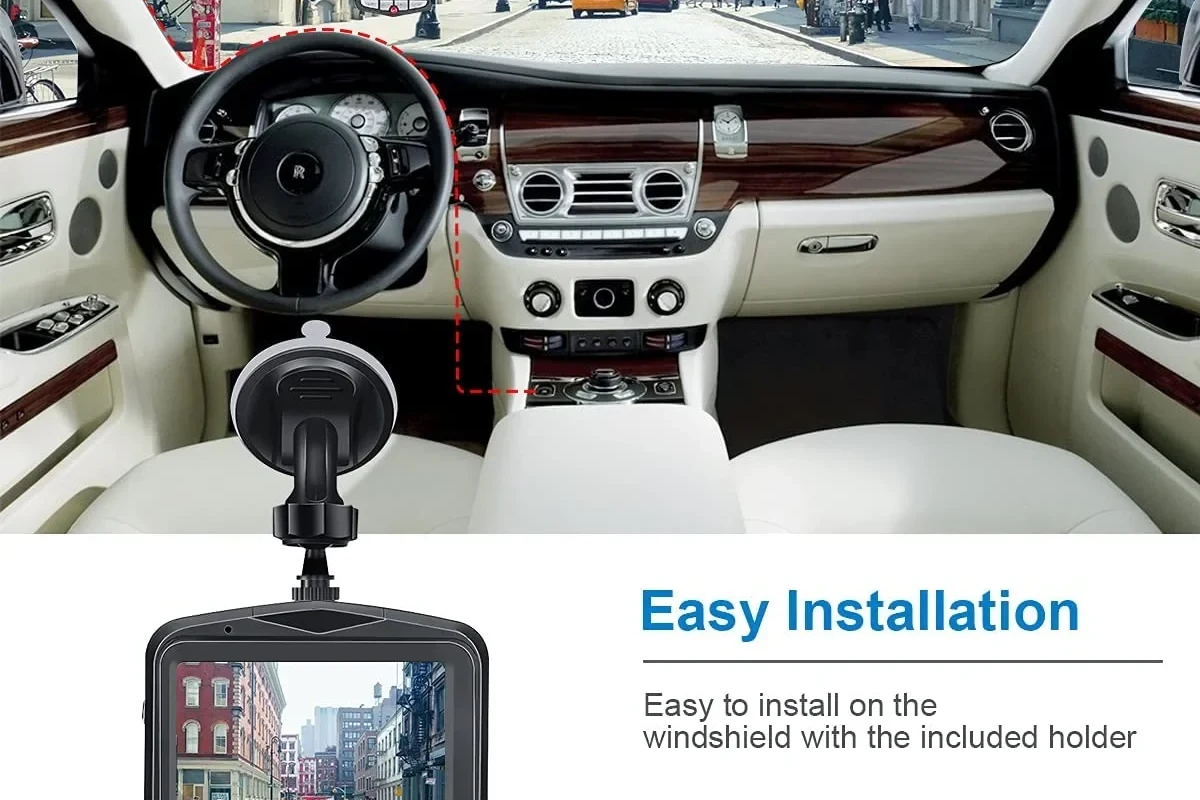
A car rear video camera improves backing visibility, parking confidence, and low-speed safety. The best choice is a compatible system with clear imaging, reliable wiring, and durable weather protection.
A car rear video camera helps drivers see what is directly behind the vehicle when reversing, parking, or lining up a trailer. In 2026, it remains one of the most practical safety and convenience upgrades because it reduces guesswork in low-speed situations, especially when visibility is limited by cargo, body style, or poor lighting.
- Visibility first: Prioritize a clear image, good night performance, and a stable display.
- Compatibility matters: Check whether the camera works with your factory screen or aftermarket radio.
- Installation affects results: Poor mounting or wiring can cause lag, glare, or signal loss.
- Use it as a backup: Mirrors and careful driving still matter every time you reverse.
What a Car Rear Video Camera Is and Why It Matters in 2026

A rear camera is a small camera mounted at the back of the vehicle that sends a live video feed to a screen in the cabin. Most systems activate automatically when the car is shifted into reverse, though some also integrate with parking sensors, a dash cam system, or an aftermarket head unit like a car head unit.
How a rear camera works and what drivers should expect
The camera captures the area behind the bumper and displays it on a monitor, infotainment screen, mirror display, or dedicated screen. Many systems add parking guidelines to help estimate distance, but those lines are only an aid and should not be treated as exact measurements.
In everyday use, the biggest benefit is visibility. A rear camera can reveal children, pets, shopping carts, poles, and low obstacles that may not be easy to see through mirrors alone. However, image quality varies by sensor, lens, display, and installation quality, so buyers should focus on clarity and reliability rather than marketing language.
Who benefits most: commuters, families, new drivers, and older vehicles
Daily commuters benefit when backing out of crowded parking spaces. Families often appreciate the extra awareness around driveways, school pickup lanes, and garages. New drivers gain confidence during parking practice, while owners of older vehicles often use a rear camera to add modern visibility without replacing the entire car.
Some factory systems are tightly integrated with the vehicle’s display and controls, while aftermarket systems can be more flexible. The right choice depends on your dashboard layout, trim level, and whether you want a simple backup aid or a broader upgrade.
Best Uses, Real-World Benefits, and Safety Advantages
The main value of a car rear video camera is not just convenience. It can make slow-speed driving less stressful and help reduce minor parking mistakes that lead to scratches, bumper taps, and awkward repositioning.
Parking confidence, blind-spot awareness, and low-speed maneuvering
Rear cameras are especially useful when you are backing out of a parking spot with tall SUVs, vans, or trucks nearby. They help fill in the area directly behind the vehicle, which mirrors may not fully cover. That does not eliminate blind spots, but it can make them easier to manage.
How rear cameras help in tight garages, city driving, and trailer hookups
In a tight garage, a rear camera can help you stop before hitting shelves, walls, or stored items. In city driving, it can make parallel parking and curb alignment less stressful. For trailer hookups, the camera can help center the hitch and reduce repeated get-out-and-check steps.
- Look for a wide but not overly distorted viewing angle.
- Check whether the image remains readable at night and in rain.
- Confirm that parking lines can be turned on or off if they feel distracting.
Key Features to Compare Before You Buy
Not every rear camera is a good fit for every vehicle. The best choice depends on how the image looks, how it connects to the car, and how well it holds up over time.
Image quality, night vision, and wide-angle coverage
Image quality matters more than most shoppers expect. A sharp camera makes it easier to judge distance, identify objects, and trust the display. Night vision is also important because many parking and backing maneuvers happen in dim garages or after dark.
Wide-angle coverage helps show more of the area behind the vehicle, but an extremely wide lens can make objects appear farther away than they are. That is why a balanced field of view is usually better than the widest number on the box.
Display type, parking guidelines, and trigger speed
Some cameras connect to a factory screen, while others use a mirror monitor, standalone display, or smartphone-linked system. The display should be easy to read in daylight and not lag when reverse is engaged. Trigger speed matters because a delayed image can make parking feel awkward or less intuitive.
Some rear camera systems use dynamic parking guidelines that move with the steering wheel, while others use fixed lines that stay straight. Dynamic lines can be helpful, but only if the system is calibrated correctly.
Weather resistance, durability, and wiring quality
The camera housing should be built for rain, road spray, dust, and temperature swings. Wiring quality matters just as much, especially on vehicles exposed to frequent vibration, towing, or rough roads. A cheap camera with poor connectors can become unreliable long before the lens itself fails.
Compatibility with infotainment systems, dash cams, and aftermarket radios
Compatibility is one of the most overlooked issues. A camera may physically fit the vehicle but still require adapters, a compatible screen input, or a specific radio format. If you are already considering a larger audio upgrade, it may make sense to compare options with a system that works alongside a Kenwood car radio or a broader Bluetooth car stereo setup.
If you want front-and-rear visibility together, a bundled package such as a best dash cam for front and rear style system may be worth comparing, especially if you want one display and one installation path.
Top Buying Considerations: New vs. Used, Budget, and Value
Rear camera pricing and value vary widely because the system may include only the camera, or the camera plus screen, wiring, adapters, and installation. The best value is usually the one that fits your vehicle without creating hidden compatibility costs.
What to expect at entry-level, mid-range, and premium price points
Entry-level systems are often basic backup cameras with simpler image quality and limited adjustment. Mid-range options usually improve night visibility, housing quality, and display clarity. Premium systems may include better integration, stronger weather sealing, and more refined parking guidance.
Because prices change by brand, vehicle fit, and retailer, confirm current costs before buying. The right budget is not just the sticker price; it is the total cost of parts, installation, and any required adapters.
When a bundled kit is better than piecing parts together
A bundled kit is often better when you want fewer compatibility surprises. Kits can simplify wiring, reduce the chance of missing connectors, and make it easier to match the camera to the screen. Piecing parts together can work well for experienced installers, but it often takes more research.
New vs. used components and what to inspect before purchase
Used cameras can save money, but they deserve careful inspection. Check the lens for scratches, inspect the housing for cracks, and look closely at connectors for corrosion or loose pins. If a used system includes a screen, verify that the display is bright, the image is stable, and the reverse trigger works correctly.
Do not rely on a used camera with damaged wiring, moisture inside the housing, or a flickering display until the issue is diagnosed and corrected.
Basic financing or installment considerations for larger upgrade packages
Some drivers finance larger infotainment or safety upgrade packages through a dealer or retailer installment plan. If you do that, compare the total amount paid, any APR (annual percentage rate), and the length of the term before agreeing. Confirm all terms directly with the lender or seller, because financing details can vary by credit profile and region.
Setup Guide: Installation Basics and Common Mistakes
Installation quality often determines whether a rear camera feels seamless or frustrating. Even a good camera can perform poorly if it is mounted crooked, wired badly, or placed in a location that picks up glare and dirt.
Wired vs. wireless installation: pros, cons, and setup difficulty
Wired systems are usually more stable and less prone to interference, which is why many drivers prefer them for long-term use. Wireless systems can be easier to route in some vehicles, but they may be more vulnerable to signal loss, lag, or interference from other electronics.
- Wired systems usually offer steadier video
- Wireless systems may reduce cable-routing effort
- Wired installs can be more time-consuming
- Wireless systems can be less consistent in some vehicles
Placement, cable routing, and power connection tips
The camera should be mounted where it has a clear view and is protected from direct damage as much as possible. Cable routing should avoid sharp metal edges, moving suspension parts, and hot components. Power is commonly tied to the reverse light circuit, but the exact method should follow the vehicle and kit instructions.
Choose a location that shows the bumper edge and the space directly behind the vehicle.
Keep cables away from pinch points, heat, and moisture exposure where possible.
Common installation errors that reduce image quality or reliability
Common mistakes include mounting the camera too high or too low, letting the lens collect water and dirt, and leaving connectors exposed. Another frequent issue is assuming every screen or radio will accept the camera signal without an adapter or compatible input.
Have a qualified installer handle the job if the wiring path intersects airbags, advanced driver-assistance systems, or factory electronics you do not want to disturb.
Safe Use, Cleaning, and Long-Term Care
A rear camera is only helpful if the image stays clear and the system keeps working as intended. Routine care is simple, but it prevents many of the most common complaints.
How to keep the lens clear, protected, and readable in bad weather
Dust, road salt, rain, and condensation can all reduce visibility. Wipe the lens gently with a soft microfiber cloth and avoid abrasive cleaners that could scratch the surface. In winter or wet seasons, check the lens before backing out so you are not relying on a blurred image.
Maintenance checks for connectors, seals, and screen calibration
Inspect connectors periodically for looseness or corrosion, especially if the vehicle sees frequent rain or car washes. Check the camera housing seals for cracks or gaps. If the image looks off-center or the parking lines seem inaccurate, the camera may need recalibration or repositioning.
- Clean the lens before assuming the camera has failed.
- Check the image during daylight and at night after any repair.
- Revisit the mounting angle if parking lines do not match the bumper line.
Safety notes: camera use is a backup aid, not a replacement for mirrors
A rear camera should support safe reversing, not replace it. Always check mirrors, look over your shoulder when appropriate, and move slowly. This is especially important around children, pets, and busy driveways where motion can appear suddenly.
Limitations, Troubleshooting, and When to Upgrade
Even good rear camera systems have limitations. Knowing them helps you decide whether a small fix is enough or whether the system is simply not the right fit for your vehicle.
Typical issues: lag, glare, signal loss, fogging, and distorted images
Lag can make the display feel disconnected from the vehicle’s movement. Glare may wash out the image in bright sunlight, while fogging can happen when temperature and moisture change quickly. Distorted images may come from a low-quality lens, poor mounting angle, or a display that does not match the camera’s output well.
How to decide whether repair, replacement, or a better system makes sense
If the issue is minor, such as a dirty lens or loose connector, repair may be enough. If the system has repeated signal problems, poor night visibility, or incompatible hardware, replacement may be the better long-term answer. For older vehicles, upgrading to a better-integrated setup can sometimes be more practical than repeatedly patching an outdated system.
Owners comparing upgrades may also want to look at related vehicle electronics such as a best dash cam for car if they want front-facing recording alongside backup visibility.
Evidence limits and what product claims should be treated carefully
Be cautious with claims about “ultra-HD” image quality, “zero-lag” performance, or universal compatibility. Those promises often depend on the vehicle, display, installation method, and environmental conditions. When possible, verify fitment details with the manufacturer, retailer, or installer before purchase.
Final Recommendation: Which Car Rear Video Camera Is Worth Buying?
The best car rear video camera is the one that fits your vehicle cleanly, shows a stable image in real weather, and integrates without forcing you into expensive extras. For commuters and families, that usually means a reliable mid-range system with good night visibility and simple installation. For older vehicles or drivers who want a broader tech upgrade, a bundled camera-and-display package may deliver better value than buying parts separately.
Best fit by driver type, vehicle type, and budget
If you drive in dense parking lots, a clear wired system is usually the safest bet. If you tow, back into a garage often, or drive a larger vehicle, prioritize a wide but readable view and sturdy mounting. If your budget is tight, focus on fitment, weather sealing, and image stability before paying extra for features you may not use.
Transparent verdict on value, reliability, and overall usefulness
Overall, a rear camera is one of the most useful visibility upgrades a driver can add in 2026, but only when the hardware matches the vehicle and the installation is done carefully. For most buyers, the smartest choice is a dependable system with clear imaging, solid connectors, and proven compatibility rather than the cheapest option or the one with the longest feature list.
Choose a car rear video camera that prioritizes clarity, durability, and compatibility over flashy specs. If you want the most dependable everyday result, a well-matched wired system is usually the safest long-term pick; if your setup is complex, a professionally installed bundled kit may be the better alternative.
Common Questions
It is especially useful for commuters, families, new drivers, and owners of older vehicles. Anyone who parks in tight spaces can benefit from the extra visibility.
Image clarity is usually the top priority. After that, check night vision, weather resistance, and compatibility.
They can work well, but some systems are more prone to lag or interference. Wired setups are usually steadier.
No. It should support your mirrors and direct observation, not replace them.
New is usually safer for compatibility and condition. Used can save money if the lens, housing, connectors, and display are all in good shape.
Frequently Asked Questions
The best systems improve visibility without adding confusion or delay. Look for a clear image, dependable wiring, and a display that fits your vehicle.
Factory-style systems often look cleaner and integrate better, while aftermarket systems can be more flexible. The better choice depends on your dashboard, budget, and installation needs.
Confirm camera placement, cable routing, power source, and screen compatibility. If you are unsure about vehicle electronics, a professional installer can reduce the risk of mistakes.
Clean the lens regularly and inspect the connectors and seals for wear. If the image changes or becomes unstable, check the mount and wiring first.
A rear camera can still struggle with glare, fogging, dirt, or poor calibration. It is a helpful aid, but it does not eliminate blind spots or the need for careful reversing.
Upgrade if your current camera has frequent lag, poor night visibility, or compatibility problems. A better system makes sense when repairs no longer restore dependable performance.