
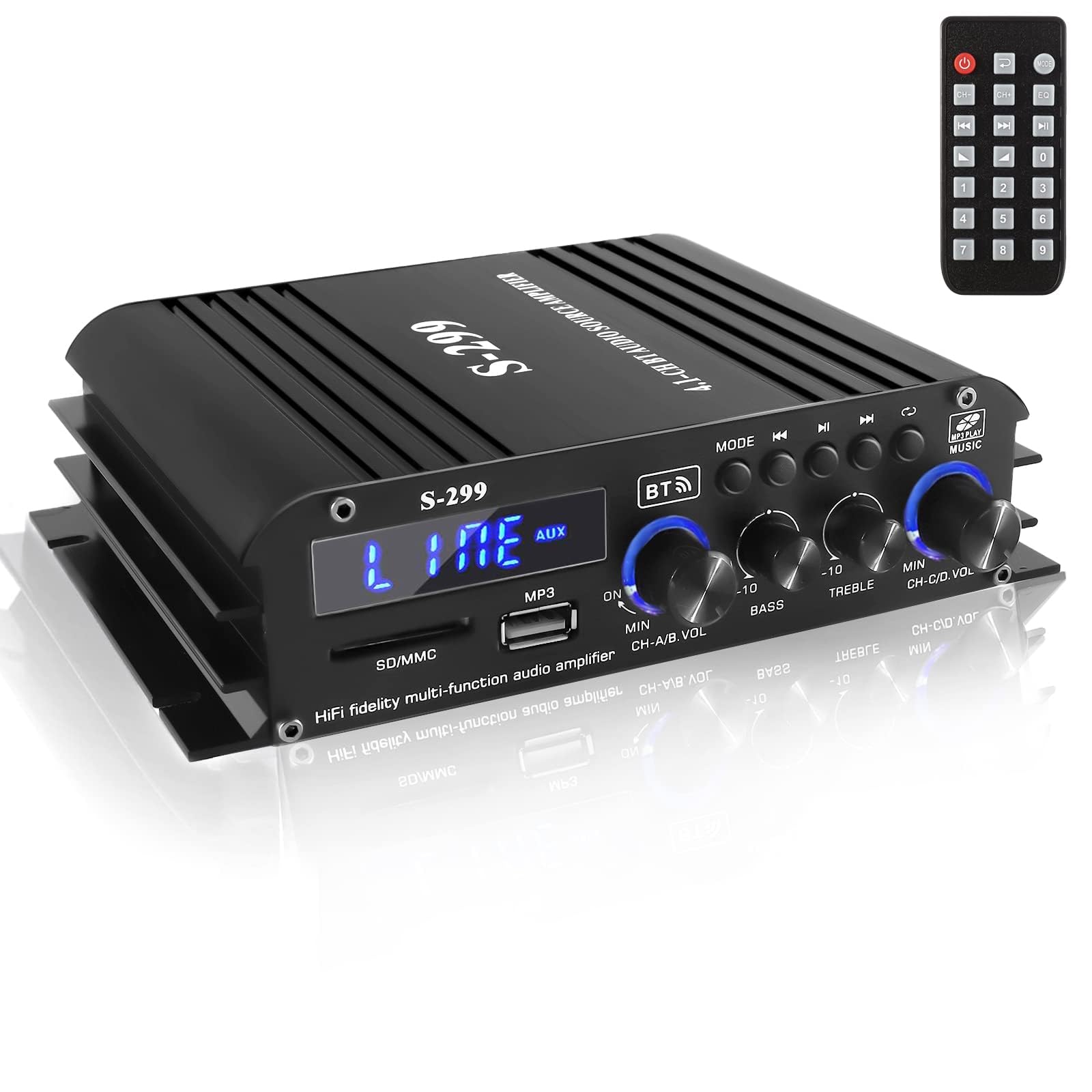
A car stereo amplifier boosts clarity, volume, and bass punch for a cleaner, fuller car audio experience.
I have spent years installing and tuning car audio systems, and I know how much difference an amplifier for car stereo can make. This guide breaks down what an amplifier does, how to choose the right one, how to match it to speakers and subwoofers, and common installation tips I learned the hard way. Read on to get clear, practical advice so your next upgrade sounds great and works reliably.

What is an amplifier for car stereo?
An amplifier for car stereo is an electronic device that increases the power of audio signals from your head unit. It sends stronger, cleaner power to speakers and subwoofers so they play louder and with less distortion. Without an amplifier, many factory radios cannot drive aftermarket speakers or big subwoofers well.
Key roles of an amplifier for car stereo:
- Increases RMS power to speakers for louder, clearer sound.
- Provides headroom so peaks don’t clip and distort.
- Improves dynamic range and overall fidelity.
- Allows control over multiple channels and crossovers for better tuning.
I’ve seen modest systems transform after adding a small 4-channel amp. The bass becomes tighter and vocals clearer. Good amps give control and consistency that stock systems lack.
How an amplifier improves sound in your car
An amplifier for car stereo changes how your system handles power and signal. It lowers distortion and raises the usable volume range. The results are cleaner highs, fuller mids, and deeper bass.
Important technical things to know:
- RMS power rating shows continuous power the amp delivers. Match RMS to speaker ratings.
- Signal-to-noise ratio (SNR) tells how clear the sound is above background noise.
- Total harmonic distortion (THD) measures unwanted signal changes; lower is better.
- Impedance (ohms) affects how much power an amp can output; check speaker ohms.
Practical benefits I’ve noticed:
- Smaller amps reduce speaker strain during loud passages.
- Better amps add clarity when you increase volume.
- Proper tuning of gains and crossovers removes muddiness from the bass.
Types of amplifiers and which to choose
There are a few common types of amps you will run into. Each fits different needs and budgets.
Class D amps
- Efficient and lightweight.
- Great for subwoofers and multi-channel systems where space matters.
- Typically cooler and use less battery power.
Class AB amps
- Known for warm sound and good linearity.
- Slightly less efficient than Class D but often preferred for full-range speakers.
- Good balance of sound quality and cost.
Mono vs multi-channel
- Mono amps are single-channel and ideal for pushing subwoofers.
- 2-channel amps can run two speakers or be bridged for more power.
- 4-channel amps power a full set of door speakers or can drive fronts and rears.
Choose an amplifier for car stereo based on:
- Your speakers’ and subwoofer’s RMS ratings.
- Vehicle space and wiring ease.
- Desired sound quality and budget.
Sizing and matching amps to speakers and subwoofers
Matching correctly prevents damage and delivers best sound. Follow a clear, step-by-step approach to choose the right amp.
Steps to match an amplifier for car stereo:
- Note the RMS power and impedance (ohms) of each speaker and subwoofer.
- Select an amp that can deliver similar RMS power per channel at the speaker’s impedance.
- Use mono amps for subwoofers when you need lots of power to one driver.
- Avoid oversizing an amp too much; very large amps can be hard to set up and may draw too much current.
- Ensure wiring, fuse size, and alternator capacity can handle the amp’s current draw.
Common wiring tips:
- Use proper gauge power wire for the amp’s current draw.
- Fuse within 18 inches of the battery to protect wiring.
- Use quality speaker wire and keep runs short when possible.
In my shop, I learned that matching RMS power is the key. Underpowering causes clipping. Overpowering without proper setup can blow speakers. Aim for a close match for clean sound and safe operation.
Installation basics and placement tips
A good install keeps the amp cool, wired safely, and tuned for best sound. Follow these basics for reliable performance.
Installation checklist:
- Mount amp on a flat, ventilated surface away from moisture.
- Run power wire under trim and away from signal RCA cables to limit noise.
- Protect the main power wire with an in-line fuse close to the battery.
- Ground the amp to solid metal near the amp using short, clean wire.
- Set gain and crossover carefully; start low and increase to taste.
Practical tips from experience:
- I avoid the trunk floor for small cars because it traps heat. Side panels with airflow are better.
- If you hear a hum or buzz, check grounding and relocate RCA cables.
- Label all wires during install. It saves troubleshooting time later.
Common mistakes and how to avoid them
Many issues come from simple setup errors. Avoid these to keep your system reliable and sounding great.
Frequent mistakes:
- Mismatching amp power and speaker ratings. This causes clipping or blown speakers.
- Poor ground connections that create noise or intermittent power loss.
- Running thin power wire that overheats or causes voltage drop.
- Setting gains too high before tuning, leading to distortion.
- Skipping a proper fuse near the battery, risking fire or damage.
How to avoid them:
- Double-check RMS and ohm ratings before buying.
- Use a test meter to verify grounds and voltages.
- Follow recommended wire gauge charts for your amp’s current draw.
- Tune gains with test tones or a listening method to avoid clipping.
Cost, brands, and value considerations
The market has a wide price range. Know what you need before you spend.
Price bands and what to expect:
- Budget amps: $50–$150. Good for basic upgrades and small systems.
- Mid-range amps: $150–$500. Better components, cleaner sound, and more features.
- High-end amps: $500+. Premium sound, advanced tuning, and robust build.
Buying tips:
- New amps come with warranties and support. That matters for reliability.
- Used amps can save money but inspect for signs of overheating or smell from burnt components.
- Consider total system cost: amp, wiring kit, installation, and possible alternator upgrades.
Brands vary. Focus on specs and real-world reviews. I’ve found mid-range amps often give the best balance of cost and sound for most cars.
Simple tuning tips to get the best sound
After install, spend time tuning. Small changes make a big difference.
Tuning steps:
- Set the head unit volume to about 75% while tuning.
- Turn the amp gain down, play a test track, then slowly raise gain until peaks remain clean.
- Use high-pass filters for full-range speakers to remove low frequencies.
- Use low-pass filter for subwoofer to tighten bass.
I use a tone track and my ears. If bass sounds fuzzy, reduce gain or tighten subwoofer crossover. Trust your ears, but use meters if you want precise results.
Small PAA-style questions answered in text
Will an amplifier drain my car battery?
- A properly matched amplifier will not drain the battery during normal use. High-power amps can draw much current at high volumes, so ensure your alternator and battery are healthy.
Can I install an amplifier myself?
- Yes, many people can install an amplifier if they follow wiring and safety steps. If you are unsure about wiring or vehicle electronics, professional installation is safer.
Do I need a special head unit for an amplifier for car stereo?
- Not always. Many head units have preamp outputs (RCA) to feed an amp. If your head unit lacks RCA outputs, you can use a line output converter.
Frequently Asked Questions of amplifier for car stereo
What power rating should my amplifier for car stereo have?
Match the amp’s RMS power per channel to your speaker’s RMS rating. Aim for equal or slightly higher RMS to allow headroom and clean playback.
Can one amplifier power all my car speakers?
Yes, a multi-channel amplifier can power multiple speakers. Choose a 4-channel amp for fronts and rears, or use a combination of amps for subs and full-range speakers.
How do I stop a buzzing noise after installing an amplifier for car stereo?
Check ground connections and move RCA cables away from power wires. A bad ground or interference from power wiring often causes buzzing.
Is a Class D amplifier good for all applications?
Class D amps are efficient and ideal for subs or space-limited installs. For pure vocal clarity on full-range speakers, some prefer Class AB, but modern Class D units are high quality.
Will adding an amplifier for car stereo improve factory sound?
Yes, adding a proper amplifier often provides clearer sound and more power than factory systems. Pair it with better speakers for the biggest improvement.
Do I need to upgrade my car’s alternator for a powerful amplifier for car stereo?
If you run a very powerful amplifier or multiple amps, you may need a stronger alternator or a second battery. Smaller upgrades usually work without alternator changes.
How important is speaker impedance with an amplifier for car stereo?
Very important. Ensure the amp supports the speaker’s impedance (2 ohm, 4 ohm, etc.). Using the wrong impedance can cause the amp to overheat or shut down.
Conclusion
An amplifier for car stereo gives control, power, and clarity that transform in-car sound. Match RMS power, handle wiring safely, and spend time tuning gains and crossovers. Start with a realistic budget and pick an amp that fits your speakers and space. Try a mid-range amp for most upgrades, or go higher when chasing top-tier sound.
Take action: inspect your speakers’ RMS ratings, set a budget, and plan wiring before buying. Share your goals or ask questions below, or subscribe for step-by-step install guides and recommendations.