
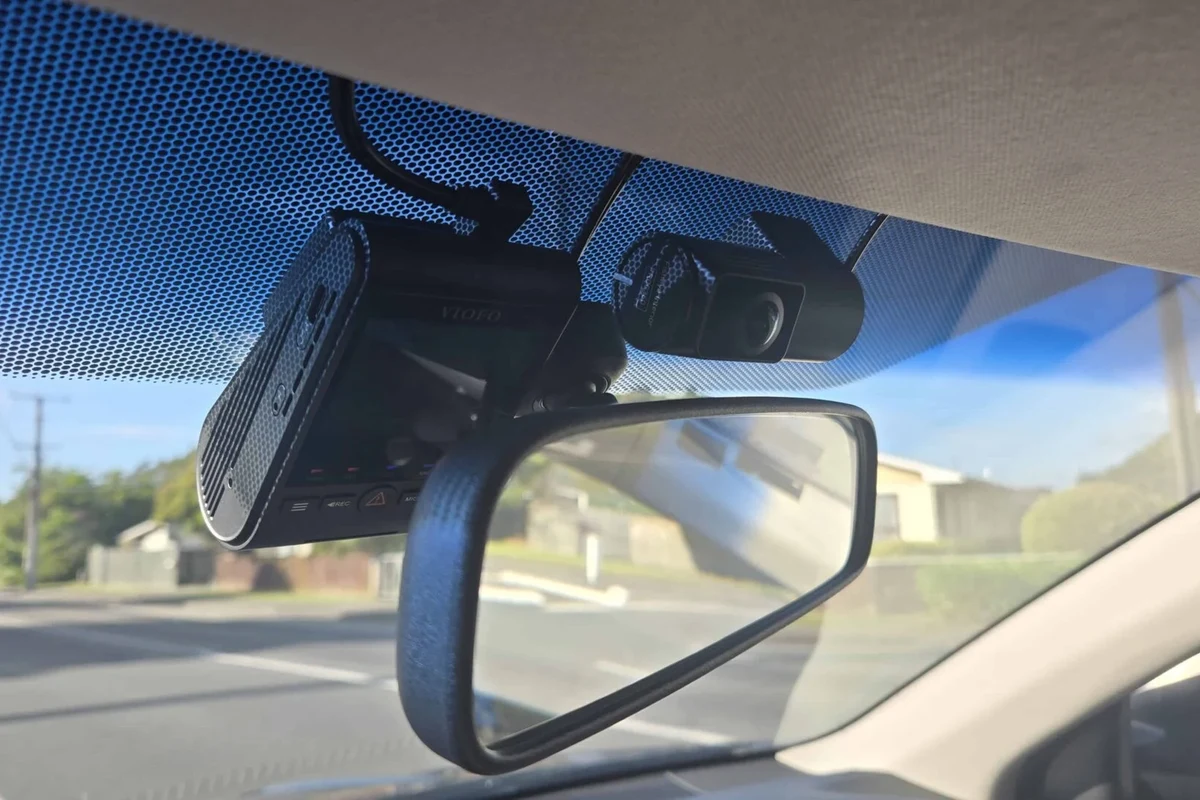
Most drivers pay the least for a DIY plug-in dash cam install and more for hardwiring or rear-camera routing. Professional installation is usually worth it when you want parking mode, hidden wiring, or a cleaner finish.
If you’re trying to figure out the cost to install dash cam, most drivers in 2026 will spend little to nothing for a simple plug-in setup and more for a clean hardwired install with parking mode. The right choice depends on your vehicle, how discreet you want the wiring, and whether you need features like constant power when the car is parked.
- Basic installs are cheapest: Plug-in dash cams usually cost the least because they need minimal labor.
- Hardwiring adds value: It is often worth paying more if you want parking mode or hidden wiring.
- Vehicle layout matters: Fuse-box access, trim complexity, and airbag zones can raise labor time.
- Buy for your use case: Commuters, families, and fleets often need different features and power options.
Cost to Install Dash Cam: What Most Drivers Pay in 2026

Dash cam installation pricing is usually a mix of the camera setup, the power method, and labor. A basic suction-cup or adhesive mount that plugs into a 12V outlet can often be handled at home, while a hardwired installation typically costs more because it takes time to route cables, connect to the fuse box, and test the system safely.
Quick answer: typical installation costs, from DIY to professional hardwiring
For many drivers, the cheapest route is a DIY plug-in install, which may only require the camera and a memory card. Professional labor usually becomes worthwhile when you want hidden wiring, rear-camera routing, or parking-mode power that stays active after the engine shuts off.
If you want a deeper walkthrough of the simpler power options, see how to install a dash cam with a cigarette lighter and how to install a dash cam without a cigarette lighter.
Who this guide is for: commuters, rideshare drivers, families, and fleet owners
This guide is for drivers who want a realistic view of installation cost before buying a camera. Commuters may only need a basic front-facing unit, while rideshare drivers, parents, and fleet managers often care more about parking coverage, rear recording, and a tidy install that does not interfere with daily use.
A simple front camera may be enough if you mainly want crash evidence and low cost.
Dual-channel or rear coverage can help document incidents around kids, parking lots, and school pickup lines.
Professional installation is often easier to standardize across multiple vehicles.
What Affects Dash Cam Installation Cost?
Installation cost depends on more than the camera brand. The vehicle itself, the power source, and how much of the wiring needs to be hidden all affect the final bill. In some vehicles, a simple install is straightforward; in others, the trim panels, fuse box location, or safety systems make the work slower and more expensive.
Camera type: single-channel, dual-channel, rear camera, parking mode, and LTE models
A single-channel dash cam records only the front view, so it is usually the easiest and least expensive to install. Dual-channel systems add a rear camera, which means extra cable routing through the cabin or hatch area. Models with parking mode, LTE connectivity, or cloud features may also require more advanced power management and setup time.
If you are comparing camera styles, a front-and-rear setup usually costs more to install than a basic front-only unit. For shoppers focused on that configuration, best dash cam for front and rear is a useful place to understand feature trade-offs before paying for labor.
Vehicle factors: fuse box access, trim complexity, hybrid/EV layouts, and luxury interiors
Some cars make installation easy because the fuse box is accessible and the cabin trim is simple to remove. Others take longer because the fuse panel is tucked behind panels, the headliner is tight, or the vehicle has more complex electrical architecture. Hybrid and EV layouts may also require extra care because power management can differ from a conventional gas vehicle.
Luxury interiors, panoramic roofs, side-curtain airbags, and tightly packaged dashboards can increase labor time. That does not mean the install is difficult in every case, but it often means a technician must route cables more carefully.
Install method: suction-cup plug-in, OBD-II, hardwired, battery pack, or rear-camera routing
The method you choose changes both cost and convenience. A plug-in installation is usually the simplest. An OBD-II setup may be convenient in some vehicles, but it is not always the best choice for parking mode or hidden wiring. Hardwiring usually costs more, but it can provide a cleaner look and better support for features that need constant or ignition-switched power.
For readers considering parking-mode power, how to hardwire a dash cam for parking mode explains the general setup path, and dash cam battery pack options may be worth comparing if you want parking protection without leaning on the vehicle battery as much.
Labor rates, shop minimums, and regional pricing differences
Labor rates vary by region, shop type, and vehicle complexity. Some installers charge a minimum fee even for a simple job, while others price by the hour. Urban areas, dealership service departments, and specialty electronics shops may cost more than a general accessory installer, but they may also offer more experience with hidden wiring and modern driver-assist layouts.
Many dash cam installation complaints come from wiring issues, not camera quality. A clean power setup and a properly formatted memory card often matter more than a long list of features.
DIY vs Professional Installation: Which Option Makes Sense?
The best option depends on how comfortable you are working around automotive trim and electrical connections. DIY can save money, but professional installation may be worth it if you want a discreet finish, parking-mode support, or less risk of wiring mistakes.
When a plug-and-play setup is the best value
Plug-and-play is usually the best value if you want the lowest upfront cost and do not mind visible cables. It is also a smart choice for leased vehicles, temporary setups, and drivers who mainly want basic incident recording during driving.
- Use a quality memory card that is rated for continuous recording.
- Test the camera before tucking cables into trim.
- Keep the mount high enough to avoid blocking the road view.
For a simple power route, see how to connect a dash cam and how to connect a dash cam to a phone if app setup is part of your buying decision.
When hardwiring is worth paying for
Hardwiring is usually worth it when you want parking mode, a cleaner appearance, or a more permanent installation. It can also be the better choice for drivers who spend a lot of time in busy parking lots, on job sites, or in areas where theft and hit-and-run concerns are higher.
Pros, cons, and common mistakes with each approach
- DIY plug-in setup is cheap and quick.
- Professional hardwiring can look cleaner and support parking mode.
- Both methods can work well if the camera is placed correctly.
- DIY wiring mistakes can create loose cables or power issues.
- Hardwiring can cost more and take longer.
- Some drivers forget to check airbag zones or visibility limits.
What to Look for in a Dash Cam Before You Buy
Installation cost matters, but the camera itself should still fit your driving needs. A cheap camera that records poorly at night or overheats in summer can become expensive in the long run if it misses the footage you needed.
Video quality, night performance, and field of view
Look for a camera that records clearly enough to capture plates, lane changes, and road events in typical driving conditions. Night performance matters as much as daytime sharpness, especially for commuters, rideshare drivers, and anyone who parks on public streets. Field of view should be wide enough to cover the lane without creating so much distortion that details become harder to read.
Parking mode, GPS, app support, and cloud features
Parking mode can be valuable if you want recording while the vehicle is off, but it usually adds complexity and may increase installation cost. GPS can help document location and speed context, while app support and cloud features can make footage easier to review and share. If you want a camera that stays useful after the engine is off, make sure the power method supports that feature before you buy.
Storage, heat resistance, and durability for daily use
Memory card support matters because dash cams create constant write cycles. Heat resistance is especially important in hot climates and parked cars, where cheap electronics can fail sooner. If your vehicle sits outside often, durability should weigh heavily in your decision because repeated heat exposure can affect both the camera and the card.
For storage-specific guidance, how to format an SD card for a dash cam is a helpful companion read before you rely on the camera day to day.
Warranty, firmware updates, and brand support
A longer warranty is only useful if the brand also supports firmware updates and troubleshooting. Firmware updates can improve stability, app compatibility, and recording performance, so it is worth checking whether the manufacturer still supports the model you are considering. If current support or availability is unclear, confirm it with the seller or manufacturer before you buy.
- Confirm whether you need front-only or front-and-rear coverage.
- Check whether your vehicle supports easy fuse-box access.
- Verify parking-mode power requirements.
- Make sure the camera is rated for heat and continuous recording.
Best Use Cases: Which Drivers Benefit Most from a Dash Cam?
Dash cams are not only for crash evidence. They can also help with parking incidents, fraud protection, family driving accountability, and business recordkeeping. The value depends on how often you drive, where you park, and how much documentation you want.
Daily commuters and highway drivers
Commuters benefit most from reliable front recording, especially on busy highways where lane changes, sudden braking, and merge disputes happen. If your route includes a lot of traffic, the ability to document an incident clearly can be more valuable than premium app features.
Parents, teen drivers, and family vehicles
Family vehicles often benefit from a dash cam because it can document school runs, parking lot bumps, and teen-driver trips. Parents may prefer a simple setup that is easy to operate and does not distract from driving. For families shopping for a camera with a practical price-to-feature balance, best dash cam for teen drivers can help narrow the field.
Rideshare, delivery, and business fleets
Rideshare and delivery drivers often need more than a basic front camera because passenger interactions, curbside stops, and repeated parking events create more risk. Fleets may also benefit from standardized installation across vehicles so drivers know where the controls are and footage is easier to manage.
If you manage multiple vehicles, best dash cam for fleet vehicles is a good starting point for thinking about consistency, uptime, and serviceability.
Off-road, road trip, and parked-car security use cases
Off-road drivers may want a camera that handles vibration and rough roads well, while road-trippers may value long recording sessions and simple file access. Parked-car security use cases usually point toward hardwiring or a battery pack because the camera must remain powered when the engine is off.
Installation Steps and Safety Tips for a Clean Setup
A clean dash cam install is mostly about planning. The best installations are the ones that stay out of the way, do not interfere with airbags or visibility, and are easy to service later if something stops working.
Planning camera placement and cable routing
Start by choosing a mount point that gives a clear road view without blocking the driver’s sightline. Then plan where the cable will travel before you start tucking it into trim. A little planning prevents most of the messy, visible-wire problems that make some installations look unfinished.
Memory card
Trim tool
Fuse tap, if hardwiring
Microfiber cloth
Powering options and fuse tap basics
If you hardwire the camera, a fuse tap is commonly used to draw power from the vehicle’s fuse box without cutting factory wiring. The goal is to connect the camera to the correct circuit, then verify that the setup powers on and off as intended. If you are not comfortable identifying circuits, a professional installer is the safer choice.
How to avoid airbag zones, visibility issues, and loose wiring
Never route cables where they could interfere with airbags or dangle into the driver’s footwell. Keep the camera out of the direct line of sight, and make sure no wire can snag a pedal or fall into the steering area. If you are hiding cables in the headliner, use a careful route that respects the vehicle’s safety systems; this guide on hiding dash cam wires in the headliner can help you understand the process better.
Do not route wires through airbag deployment paths, and do not block the windshield view with a low or oversized mount. If a vehicle has unusual trim, side-curtain airbags, or tight panel gaps, professional installation is often the safer call.
Testing the system before finalizing the install
Before you lock everything in place, confirm that the camera powers on, records correctly, and saves files as expected. Check the app connection if your model uses one, and make sure the rear camera, GPS, or parking mode works the way you intended. It is easier to correct a routing issue before the trim is fully reinstalled.
Common Mistakes, Maintenance, and Long-Term Care
Dash cams are low-maintenance, but they are not maintenance-free. A few simple habits can prevent lost footage, overheating issues, and wear that shortens the life of the system.
Formatting memory cards, checking footage, and updating firmware
Memory cards should be formatted periodically according to the manufacturer’s guidance so the camera can keep overwriting files reliably. It is also smart to check a few clips now and then instead of assuming the camera is recording properly. Firmware updates can fix bugs and improve compatibility, so they are worth keeping up with when available.
Cleaning lenses and windshield mounts safely
Clean the lens gently with a soft microfiber cloth and avoid harsh chemicals that can damage coatings. If the mount loses adhesion, clean the windshield area before reattaching it rather than forcing the adhesive to hold on a dirty surface.
Avoiding overheating, battery drain, and corrupted recordings
Heat is one of the biggest long-term problems for dash cams, especially in parked vehicles. Battery drain is another concern if parking mode is configured incorrectly or if the power source is not matched to the camera’s needs. Corrupted recordings can happen when cards are worn out, files are interrupted, or the camera loses power unexpectedly.
If battery protection is a concern, how to prevent a dash cam from draining the battery is worth reading before you rely on parking mode every day.
When to re-check wiring or replace accessories
Re-check the wiring if the camera starts powering off randomly, the rear view stops recording, or the mount becomes loose. Accessories such as adhesive pads, memory cards, and power adapters may need replacement over time, especially in hot climates or high-use vehicles.
If the camera is not recording reliably, do not assume it is fine. Confirm the card, power source, and wiring before depending on it for an accident or parking incident.
Is Installing a Dash Cam Worth the Cost? Final Verdict
For most drivers, yes — if the camera matches the way they actually drive. A low-cost plug-in install makes sense for basic commuting and occasional documentation, while a hardwired setup is better for parking protection, cleaner appearance, and vehicles that see heavy daily use.
Value breakdown by budget, safety needs, and driving habits
Budget buyers usually get the most value from a simple front camera with an easy install. Drivers who park in public areas, manage a family vehicle, or rely on their car for work often get more value from paying for a more complete installation because the added convenience and coverage are easier to justify.
Recommended approach for budget buyers vs premium buyers
Budget buyers should start with a reliable camera, a strong memory card, and a plug-in setup if the vehicle layout allows it. Premium buyers, or anyone who wants parking mode and a polished cabin look, should strongly consider professional hardwiring or a battery pack so the system works the way they expect.
Transparent conclusion on when professional installation is the smarter choice
Professional installation is the smarter choice when the vehicle has difficult trim, when parking mode matters, or when you simply want the job done cleanly and safely. If your setup is basic and you are comfortable with simple cable routing, DIY can save money without sacrificing much value.
The cost to install a dash cam is usually modest for a basic setup and more meaningful for hardwired or rear-camera systems. Choose DIY for simple commuting use, and choose professional installation when you want parking mode, hidden wiring, or a cleaner result that is less likely to cause problems later.
Common Questions
A plug-in setup is usually the cheapest. It often requires no professional labor.
Yes, hardwiring usually costs more because it takes more time and care. It also supports parking mode better in many setups.
Yes, many drivers can handle a basic install. Hardwiring is better left to someone comfortable with vehicle electrical work.
Rear cameras, parking mode, complex trim, and difficult fuse-box access can all increase cost. Shop labor rates also vary by region.
Not always. It makes the most sense when you want a clean hidden-wire setup or advanced features.
Frequently Asked Questions
Costs vary by install method, vehicle layout, and labor rates. A simple plug-in setup is usually the least expensive, while hardwiring and rear-camera routing cost more.
Yes, DIY is usually cheaper if you only need a plug-in setup. It becomes less practical if you want hidden wiring, parking mode, or a rear camera.
Hardwiring is worth it when you want parking mode, a cleaner look, or a more permanent installation. It is also helpful for drivers who park in public areas often.
Dual-channel recording, rear-camera routing, parking mode, LTE features, and complex vehicle trim can raise the cost. Labor time usually increases as the setup becomes more involved.
Check video quality, night performance, storage support, heat resistance, and whether the camera supports the power method you want. Also confirm warranty and firmware support.
Format the memory card as recommended, check footage occasionally, keep the lens clean, and watch for overheating or battery drain. Re-check wiring if the camera starts acting inconsistently.