
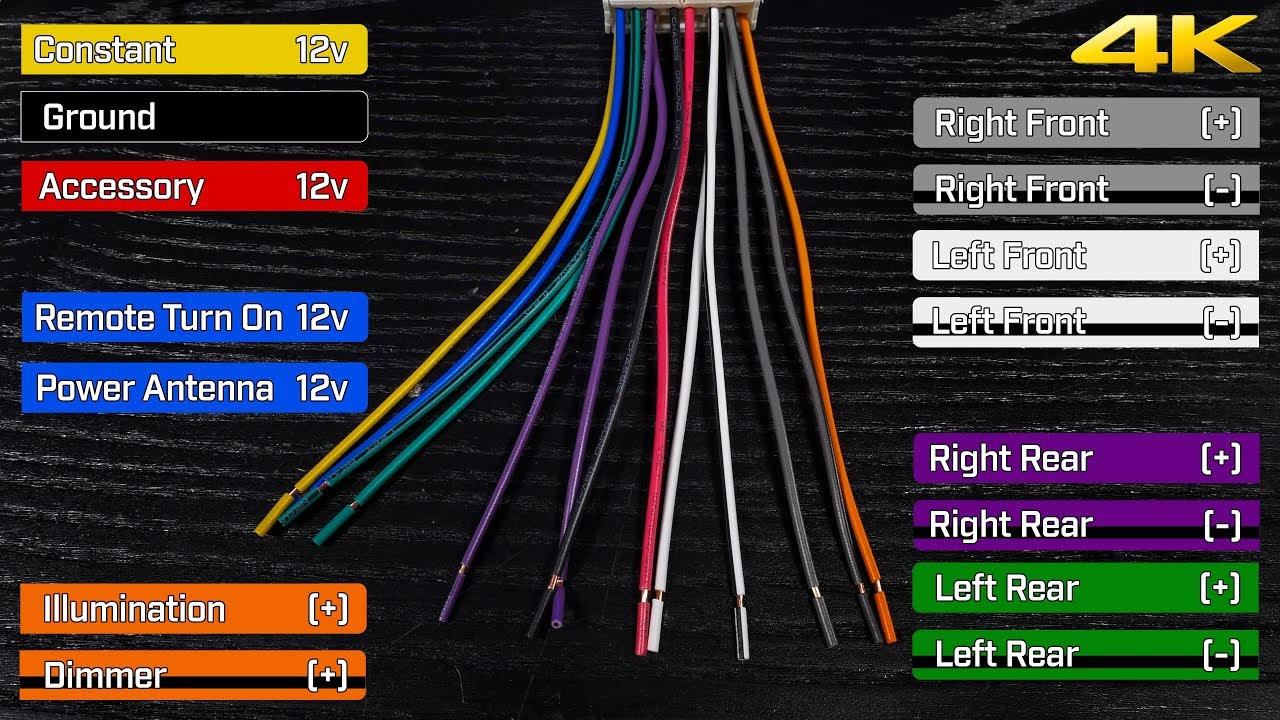
A car stereo wiring harness connects and simplifies stereo power, speaker, and accessory wiring.
I have installed and tested car stereo wiring harnesses for years. I write this guide to help you pick, wire, and troubleshoot harnesses with confidence. You will learn what a car stereo wiring harness does, how to match it to your vehicle, step-by-step installation tips, common problems, and buying advice. Read on to save time, avoid mistakes, and get clean, reliable audio wiring in your car.

What is a car stereo wiring harness?
A car stereo wiring harness is a bundle of wires and connectors. It links a head unit to a car's power, speakers, antenna, and controls. The harness prevents you from cutting factory wires. It keeps the job clean and reversible.
Why use a car stereo wiring harness:
- It saves time when installing or replacing a stereo.
- It preserves factory wiring for resale and safety.
- It reduces wiring errors and prevents shorts.
A wiring harness often includes color-coded wires and a plastic connector that fits the vehicle or the stereo. Some harnesses also add features like steering wheel control adapters or amplifier turn-on leads. Using the correct car stereo wiring harness prevents damage and ensures sound quality.
Components and wire color codes
A typical car stereo wiring harness contains several common wires. The color codes are industry-standard but check both the harness and the stereo manual before you connect.
Common wires and functions:
- Yellow: constant 12V battery (memory)
- Red: switched 12V ignition (accessory)
- Black: ground
- Orange or orange/white: illumination/dimmer
- Blue: power antenna or amplifier remote turn-on
- Blue/white: amplifier remote turn-on
- White and white/black: front left speaker (+ and −)
- Gray and gray/black: front right speaker (+ and −)
- Green and green/black: rear left speaker (+ and −)
- Purple and purple/black: rear right speaker (+ and −)
Other possible wires:
- Brown: phone mute or subwoofer remote
- Pink or light green: speed sense or parking brake (for navigation units)
- RCA outputs: for external amplifiers
Always confirm pinouts. Some car makers use different shades. Use a multimeter to verify power wires for safety.
Types of harnesses and adapters
There are several harness types to match vehicles and stereos. Picking the right one makes installation easier.
Common types:
- Vehicle-specific harness
- Matches factory connector.
- Plugs directly into car wiring.
- Universal harness
- Uses bare wire ends for direct connections.
- Works with many stereos and cars.
- ISO harness
- Standardized international connector for many head units.
- Steering wheel control adapter
- Preserves button functions after upgrade.
- Amplifier integration harness
- Keeps factory amp in the loop when replacing the radio.
Adapter notes:
- Use the vehicle-specific harness when possible.
- Use steering wheel adapters to avoid losing controls.
- For factory amplifiers, get integration modules to retain sound balance and tone.
How to install a car stereo wiring harness
A clean installation saves headaches. Follow these steps and double-check before powering up.
Preparation steps:
- Read the head unit and vehicle manuals.
- Disconnect the negative battery terminal.
- Gather tools: wire strippers, crimpers, butt connectors, electrical tape, shrink tubing, and a multimeter.
Installation steps:
- Remove the factory stereo trim and old head unit.
- Unplug the factory harness from the stereo.
- Match the vehicle harness to the new head unit harness by color and function.
- Connect wires with crimp connectors or solder and shrink tubing for a strong join.
- Attach ground wire to metal chassis if needed.
- Reconnect the antenna and any adapters like steering wheel controls.
- Temporarily reconnect the battery to test power and speaker output.
- Secure all wires, reinstall dash pieces, and finish.
Practical tips:
- Label wires if you must disconnect multiple plugs.
- Twist and solder wires for a long-term bond when possible.
- Use heat shrink, not just tape, for a waterproof seal.
Troubleshooting common wiring harness problems
Problems often come from miswires, bad grounds, or power issues. Troubleshoot step-by-step.
Common problems and fixes:
- No power to the stereo
- Check battery and ignition wires with a multimeter.
- Verify constant 12V (yellow) and switched 12V (red).
- Unit powers up but no sound
- Check speaker wires and speaker balance settings.
- Ensure the speaker ground wires are not tied together.
- Blown fuse or smoke
- Disconnect immediately. Find a short in wiring or wrong connection.
- Replace the fuse only after fixing wiring faults.
- No amp turn-on
- Verify blue or blue/white remote lead is connected to amp remote.
- Check for 12V on remote lead when unit is on.
- Static or noise
- Ground loop or poor ground. Improve chassis ground and route RCA cables away from power wiring.
If problems persist, consult wiring diagrams or a pro. Many issues are simple but can harm the unit if ignored.
Buying guide and compatibility tips
Choose the right car stereo wiring harness to avoid returns and rework. Focus on fit, functions, and quality.
How to pick the correct harness:
- Match harness to vehicle make, model, and year.
- Confirm head unit connector type and pinout.
- Decide if you need adapters for steering wheel controls, factory amps, or navigation.
- Check connector quality and wire gauge. Thicker wires handle more current.
Value factors:
- Pre-crimped connectors save time.
- Soldered and shrink-wrapped joins last longer.
- Brand reputation and return policy matter.
Budget choices:
- Low-cost harnesses work for simple installs but may use thin wire.
- Mid-range harnesses balance price and durability.
- High-end harnesses include extras like sound interfaces and better materials.
If unsure, buy the vehicle-specific harness and any required integration modules. They cost more but save time and preserve factory features.
Safety, best practices, and tools
Safety protects you and your car. Follow these basic rules.
Safety checklist:
- Disconnect the negative battery before wiring.
- Use the right fuse rating for the stereo and amps.
- Avoid routing speaker wires near sharp edges or hot surfaces.
- Secure loose wiring to prevent rattles or shorts.
- Test functions before reassembling the dash.
Tools that make work easier:
- Wire stripper and crimper set.
- Quality butt connectors or soldering iron and shrink tubing.
- Digital multimeter.
- Trim removal tools to avoid scratching the dash.
Work methodically. Slow, steady work prevents mistakes. If you feel unsure, get professional help.
My experience and practical tips
I’ve installed car stereo wiring harnesses in older and newer cars. I learned a few lessons the hard way. I share them so you avoid the same errors.
Lessons learned:
- Always disconnect the battery first. I once shorted a circuit during a quick test and blew two fuses.
- Test speaker wires before final assembly. One car had a factory amp that needed a separate harness.
- Label each wire during complex installs. A labeled harness saved me an hour on a tricky Toyota model.
Simple tips I use:
- Use a small roll of colored tape to mark speaker channels.
- Solder key joins and use heat shrink. It looks neat and lasts years.
- Keep a small kit in the garage: extra crimp connectors, fuses, and wire.
These tips blend practical know-how with caution. They help most DIY installers finish with a solid result.
Frequently Asked Questions of car stereo wiring harness
What does a car stereo wiring harness do?
A car stereo wiring harness links your new head unit to the car’s power, speakers, and accessories. It prevents cutting factory wires and keeps the install reversible.
Do I need a wiring harness adapter for my car?
Most modern cars need a vehicle-specific harness or an adapter to match the factory connector. Using an adapter preserves features like steering wheel controls and factory amps.
Can I wire the stereo myself without a harness?
You can wire directly but it is riskier and more time consuming. A harness simplifies the job and reduces the chance of wiring mistakes.
How do I know which wire is which on the harness?
Wire colors usually follow standard codes, but always verify with the head unit and vehicle manuals. Use a multimeter to confirm power and ground wires before connecting.
Will a harness keep my steering wheel controls working?
A vehicle-specific harness plus a steering wheel control adapter will keep most controls functional. Check compatibility for your car and head unit before buying.
What gauge wire should I use for speakers and power?
Speaker wires are often 16–18 AWG for factory systems; power and ground should be 12–14 AWG for head units and larger for amplifiers. Use thicker wire for high-power systems.
Conclusion
A proper car stereo wiring harness makes installations safer, faster, and reversible. Use a vehicle-specific harness when possible, test each connection, and follow safety steps like disconnecting the battery. Learn from small mistakes and use solid joins like solder and heat shrink for lasting results. Now that you know how to pick, install, and troubleshoot a car stereo wiring harness, try your install or consult a pro with confidence. Leave a comment with your make and model if you want tailored advice, or subscribe for more guides.