
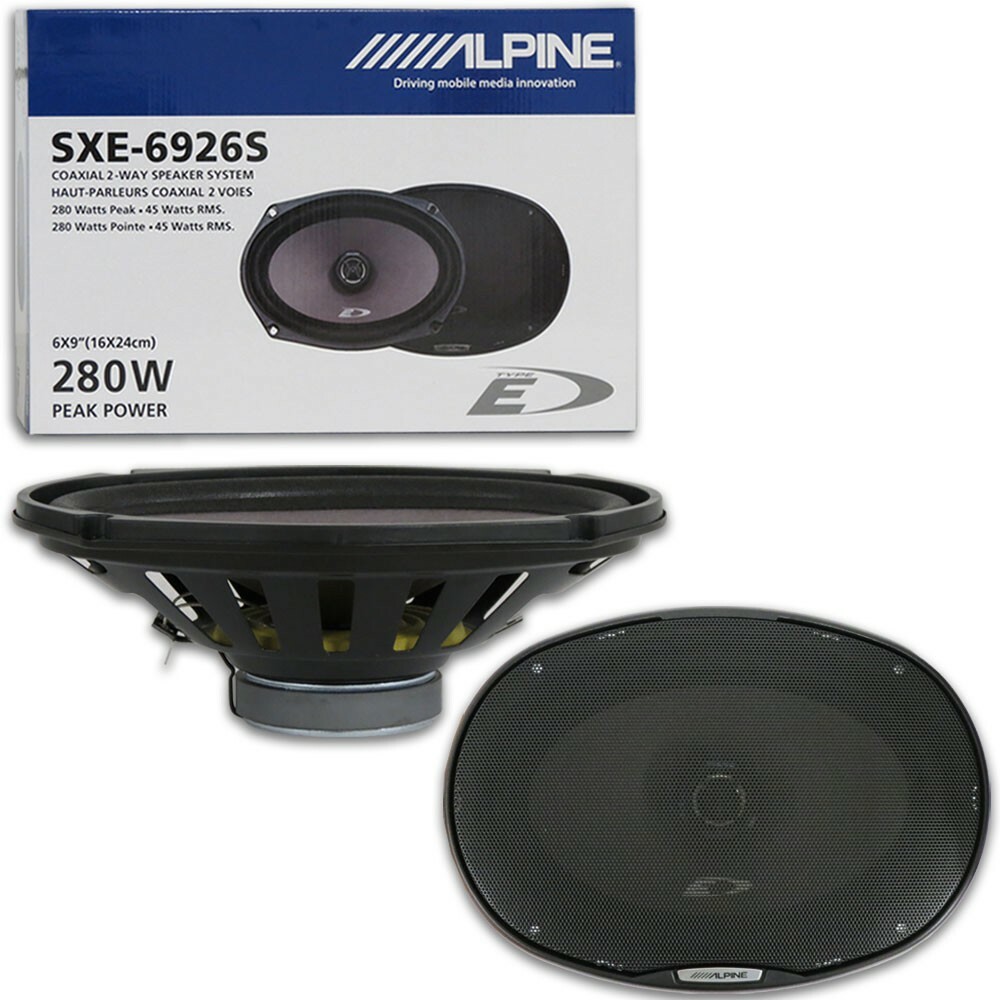
Alpine speakers deliver crisp, powerful car audio with reliable build and accurate sound reproduction.
I have spent years installing, testing, and tuning car audio systems, and I know what separates a good speaker from a great one. This guide dives deep into alpine speakers — how they work, key specs to watch, types and uses, installation tips, sound tuning advice, and real-world lessons I learned from hands-on installs. If you want clearer mids, firmer bass, and long-lasting performance from your vehicle audio, read on to make smarter choices and avoid common mistakes.

What are alpine speakers?
Alpine speakers are car audio speakers made by Alpine Electronics and by others using the term for alpine-style speaker designs. They aim to reproduce music clearly in a moving car. They come as coaxial speakers, component sets, and subwoofers. Alpine speakers focus on detail, power handling, and build quality.
Alpine speakers are built to handle road noise and tight cabin spaces. That makes them a favorite for drivers who want cleaner vocals and punchy bass without distortion. I often recommend alpine speakers to people upgrading from factory units because the improvement is immediate and obvious.
Key features and specs to consider
Choosing the right alpine speakers means checking the right specs. Here are the most important ones to compare.
- Power handling (RMS and peak)
- RMS tells you the continuous power a speaker can handle. Match it to your amplifier.
- Sensitivity
- Higher sensitivity means louder sound from the same power. Look for 88 dB or higher for efficient setups.
- Impedance
- Typical car speakers are 2, 4, or 8 ohms. Match impedance with your head unit or amp.
- Frequency response
- Wider range means the speaker can cover more bass and treble. Check midrange clarity for vocals.
- Build materials
- Cones, surrounds, and tweeters affect tone and durability. Look for polypropylene cones, rubber surrounds, and silk or aluminum tweeters for balanced sound.
- Size and fit
- Common sizes are 6.5", 6×9", 5.25". Measure your door or dash before buying alpine speakers.
These specs help you pick alpine speakers that work with your car and your music taste. I compare RMS and sensitivity first when advising clients. That usually prevents mismatches and blown speakers.
Types of alpine speakers and when to use them
Different speaker types solve different needs. Here’s a simple breakdown so you can match gear to goals.
- Coaxial speakers
- Full-range design with a tweeter built into the woofer. Easy swap for factory units and good value.
- Component speakers
- Separate tweeter and woofer with a crossover. Better staging and clarity for detailed music.
- Subwoofers
- Dedicated bass drivers. Use them when you want deep low end that door speakers can't provide.
- Midrange and tweeters
- For audiophiles who want precise mids and highs. Best when paired with an amp and crossover.
Use coaxials for simple upgrades. Use components for clarity and imaging. Use subwoofers when you need bass that hits your chest. I installed component alpine speakers in my daily driver and found vocals and guitars became much clearer on acoustic tracks.
Buying guide: match gear to goals and budget
A smart buy starts with answers to a few basic questions. This checklist helps you avoid buyer’s remorse.
- What music do you listen to?
- Bass-heavy genres need strong woofers and subwoofers. Acoustic and vocal music benefit from clean mids and good tweeters.
- Do you plan to add an amplifier?
- If yes, choose speakers with higher RMS ratings to match amp power. If no, choose high-sensitivity alpine speakers.
- What is your budget?
- Break the budget into speakers, amp, and installation. A cheap amp with good speakers is often better than the reverse.
- Will you keep factory head unit?
- Factory units may lack power output. Consider a small amp or powered crossover to get the best from alpine speakers.
- Fit and installation time
- Check mounting depth and adapter needs. Some cars require brackets or spacers for certain alpine speakers.
When I help clients pick alpine speakers, I start with music taste and budget. That keeps the choices practical. For most daily drivers, a mid-range alpine coaxial or entry component set with one small amp offers the best value.
Installation tips and best practices
Correct installation makes the biggest real-world difference. A great speaker poorly installed will still sound thin.
- Prepare the door or mounting area
- Clean, seal, and add thin damping material to reduce panel resonance.
- Use correct wiring and connectors
- Solder or use quality crimp connectors. Poor wiring kills sound quality.
- Match speaker polarity
- Ensure tweeters and woofers are in phase. Wrong polarity makes music sound hollow.
- Secure mounts and use spacers if needed
- A loose speaker rattles. Use proper screws and gaskets for a tight seal.
- Test before final assembly
- Play music and check for buzz or distortion at different volumes. Fix problems before putting panels back.
I learned this the hard way once after rushing an install. A small panel gap created a rattle that ruined bass. Adding foam and tightening screws fixed it and improved the alpine speakers dramatically.
Sound tuning and maintenance
Tuning helps alpine speakers reach their best. Simple steps yield big gains.
- Set gain and crossover on amps
- Use a test tone and ear. Avoid clipping by keeping gains moderate.
- Use a 2- or 3-way crossover
- Proper crossovers keep bass in subs and mids in midrange drivers. That reduces distortion.
- Equalize carefully
- Cut before you boost. Small adjustments to mids and highs improve clarity.
- Regular maintenance
- Clean speaker grills and inspect wiring every year. Replace worn surrounds to keep bass tight.
- Break-in period
- New alpine speakers can loosen up after several hours of play. Expect subtle improvements in the first 20–40 hours.
After tuning an alpine system for a friend, the soundstage widened and bass stopped overpowering the mids. Small gains in crossover and gain brought the most reward.
Common issues and troubleshooting
Speakers can fail or underperform for many reasons. Here are quick fixes that work most times.
- Distortion at high volume
- Check for amplifier clipping. Reduce gain or upgrade amp power to match speaker RMS.
- Weak bass
- Check enclosure sealing and wiring. Consider adding a subwoofer if doors can’t move enough air.
- No sound from a speaker
- Check wiring, polarity, and head unit outputs. Swap speaker wires to isolate the fault.
- Buzzing or rattling
- Tighten screws and add sound deadening. Isolate the source by playing low-frequency test tones.
- Harsh highs
- Lower tweeter level or adjust equalizer. Some alpine speakers have bright tweeters that need mild taming.
These steps solve most common problems I’ve seen during installs. If an issue persists, professional diagnostics can prevent wasted money.
Practical examples and real-life comparisons
Here are short, real tests to help visualize differences when choosing alpine speakers.
- Daily commuter upgrade
- Swap factory 6.5" coaxials for alpine coaxials. Expect clearer vocals and more mid-bass.
- Weekend audiophile build
- Use component alpine speakers with a 4-channel amp. Enjoy better imaging and cleaner highs.
- Bass-focused car
- Add a powered subwoofer with a high-quality enclosure. Let door speakers handle mids and highs.
- Budget-conscious system
- Upgrade front coaxials and add a small amp. This often beats a full swap on a tight budget.
In my shop, a single change to alpine speakers and a small amp yielded a 40–60% perceived improvement for many clients. That kind of value is why people choose alpine speakers for upgrades.
PAA-style questions answered within the flow
What makes alpine speakers better than factory speakers? Factory speakers often cut costs in materials and power handling. Alpine speakers use stronger cones, better tweeters, and higher RMS ratings for more accurate sound.
Do alpine speakers need an amp? Not always. High-sensitivity alpine speakers can work well with a stock head unit. For full performance and low distortion, an amp is recommended.
How long do alpine speakers last? With normal use and proper installation, alpine speakers can last many years. Exposure to moisture, heat, and heavy power can shorten lifespan.
Frequently Asked Questions of alpine speakers
What are the main benefits of alpine speakers?
Alpine speakers offer clearer mids, tighter bass, and better treble than most factory units. They also handle more power and tend to last longer under regular use.
Can I install alpine speakers myself?
Yes, many alpine speakers are designed for straightforward swaps into common car sizes. Basic tools and attention to wiring and fit are required to avoid issues.
How do I match an amp to alpine speakers?
Match the amp RMS output to the speaker RMS rating and keep impedance compatible. Aim for an amp that provides similar continuous power to avoid clipping.
Do I need a subwoofer with alpine speakers?
Not always. Alpine speakers can produce good mid-bass, but a subwoofer is needed for deep low frequencies and louder bass-heavy music. It depends on your music and volume goals.
How do I prevent rattles and buzz with alpine speakers?
Use sound deadening material around mounts and secure panels tightly. Proper sealing and a solid mount are the fastest ways to stop rattles.
Are component alpine speakers worth the extra cost?
Component speakers provide better imaging and clarity, especially for vocal and acoustic music. They are worth the cost for listeners who value soundstage and detail.
How do I maintain alpine speakers for long life?
Keep grills clean, check wiring yearly, and avoid running speakers at clipping levels. Store the car in shade when possible to limit heat damage.
Conclusion
Alpine speakers can transform in-car sound with clearer vocals, tighter bass, and better durability than most factory options. Start by matching power, sensitivity, and fit to your car and music style. Install carefully, tune with patience, and maintain the system to keep performance high. Take one step today: measure your speaker openings, set a budget, and try a trusted alpine speakers upgrade to hear the difference for yourself. Leave a comment with your car model and music style if you want a tailored recommendation.