
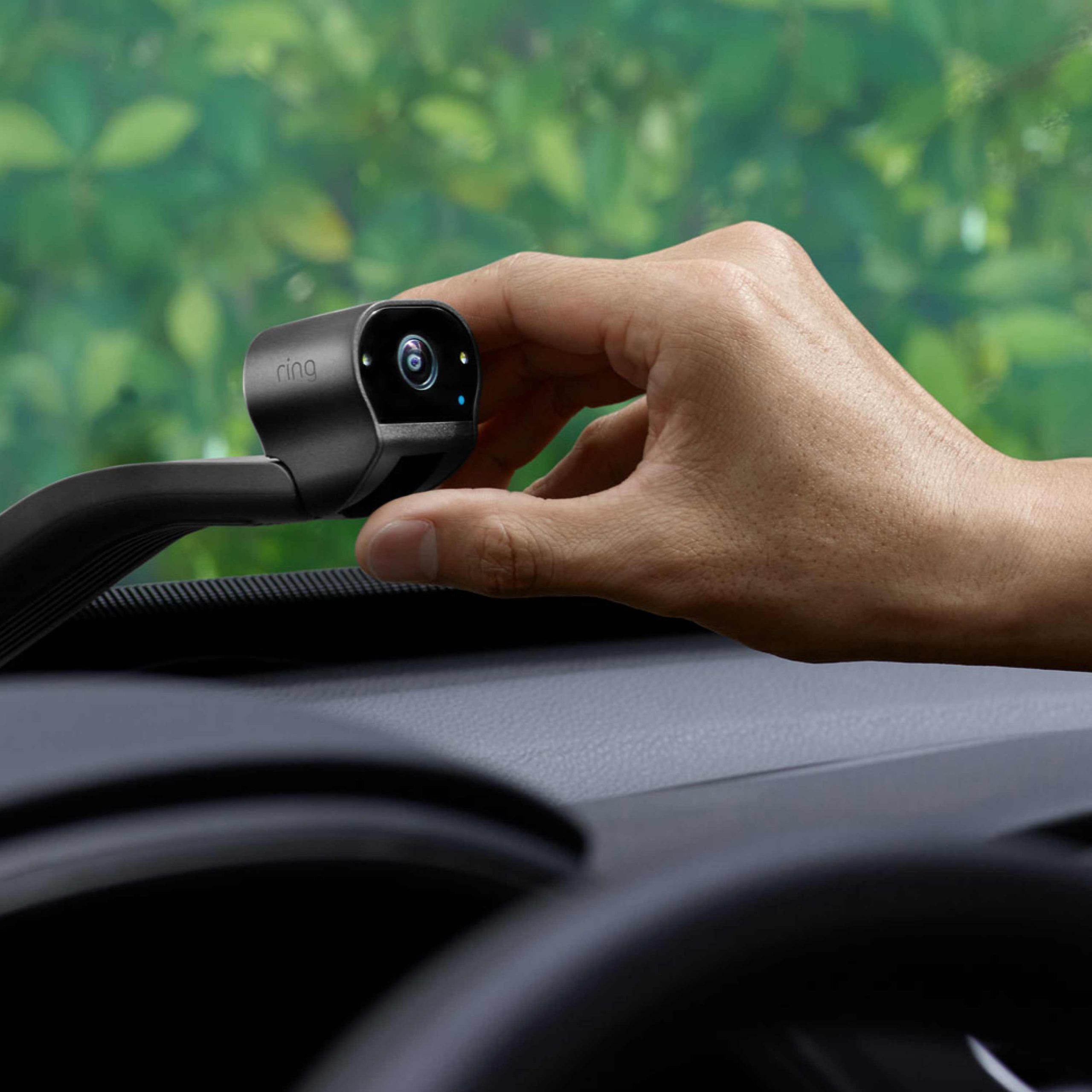
A vehicle security camera records driving and parked events to protect you and your car.
I’ve installed, tested, and compared dozens of systems for daily drivers and fleets. In this guide, I’ll break down how a vehicle security camera works, which features matter most, how to install one, and how to keep footage safe and useful. If you want clear, simple advice to choose the right vehicle security camera, you’re in the right place.

What Is a Vehicle Security Camera?
A vehicle security camera is a small, smart recorder for your car, truck, or van. It captures video while you drive and when you are parked. It helps with theft deterrence, crash evidence, driver coaching, and insurance claims.
Modern systems do more than record. Many detect motion, sense impacts, and send alerts to your phone. Some use AI to flag risky events. Others link to the cloud so you never lose key clips.
You can buy single-lens dash cams, dual front-and-rear kits, 360-degree systems, or multi-channel rigs for fleets. The best choice depends on your routes, parking, and budget. A solid vehicle security camera setup gives you proof when it matters most.
How Vehicle Security Cameras Work
At the core, each camera has a sensor, a lens, storage, and power. It records clips in short loops. When something happens, it locks the clip so it is not erased.
Key modes:
- Driving mode: Records at set resolution and frame rate while you drive.
- Parking mode: Wakes up on motion or impact to save power and catch events.
- Event detection: Uses a G-sensor or AI to lock footage after a crash or bump.
Power options:
- 12V accessory socket: Easiest to start, but parking mode may be limited.
- Hardwire kit: Gives 24/7 parking mode with low-voltage protection.
- OBD-II or battery pack: Clean install and stable power for long parking sessions.
Storage and video:
- MicroSD cards are common. Choose high-endurance cards designed for constant writing.
- Many units offer cloud backup via Wi‑Fi or LTE.
- For clarity, aim for 2K or 4K on the front camera, 1080p on others.
PAA-style Q&A within the section:
Do vehicle security cameras record when the car is off?
Yes, with parking mode and the right power source. A hardwire kit or battery pack helps.
Will a vehicle security camera drain my battery?
Not if set up well. Use low-voltage cutoffs and check parking mode timers.
Personal note: I once traced a dead battery to a cheap camera with no cutoff. A $20 hardwire kit with built-in protection fixed it at once.
Key Benefits and Use Cases
Why drivers and fleets choose a vehicle security camera:
- Crash evidence: Clear video and GPS data help prove fault and speed up claims.
- Theft deterrence: Visible cameras and blinking LEDs scare off casual thieves.
- Vandalism and hit-and-run: Parking mode catches license plates and faces when possible.
- Driver coaching: Fleets review risky events and reduce incidents.
- Insurance leverage: Some insurers offer discounts when you use a vehicle security camera.
Real-world example: A client’s sedan was sideswiped at night. The rear camera caught the plate, and police closed the case in a week. The claim paid fast.
PAA-style Q&A within the section:
Can a vehicle security camera lower my insurance?
Sometimes. Ask your insurer. Savings vary by state and policy.
Are cameras worth it for city parking?
Yes. Dense areas mean more bumps, theft, and false claims. Cameras pay for themselves.
Essential Features to Look For
Video quality
- Resolution: 2K or 4K front, 1080p rear and interior for balance.
- Frame rate: 60 fps helps with fast scenes and low light motion.
- HDR and night vision: Better detail in shadows and glare.
Coverage
- Dual-channel: Front and rear is the sweet spot for most drivers.
- Interior IR: Useful for rideshare or fleet safety at night.
- 360-degree or multi-cam: Best for large vehicles and blind spots.
Reliability
- High-endurance microSD support: Rated for continuous write cycles.
- Heat tolerance: Look for high operating temps for hot summers.
- Supercapacitor power: Safer and longer-lasting than internal batteries in heat.
Smart functions
- Parking mode with impact and motion detection.
- GPS for speed and location on saved clips.
- Wi‑Fi or LTE for phone alerts and cloud backup.
- Voice control or simple buttons for quick saves.
Privacy and control
- Mute switch for audio if needed.
- Privacy zones to blur sensitive areas (handy for fleets).
- Data encryption or password lock.
From experience: I value supercapacitors, HDR, and a simple app. Fancy AI is nice, but stable recording and clear video matter most.
Installation and Setup Guide
What you need
- The camera kit and a high-endurance microSD card.
- Trim tool, cable clips, and optional hardwire kit with fuse taps.
- Time: 30–60 minutes for a tidy install.
Steps
- Pick the mount spot: High center on windshield, behind the mirror.
- Route the cable: Tuck along headliner and down the A-pillar away from airbag paths.
- Connect power: Use 12V socket to test, then hardwire for parking mode if needed.
- Aim and test: Center the horizon, check glare, and run a day-night test.
- Set features: Turn on parking mode, set G-sensor level, and link the app.
Pro tips
- Use a polarized filter to cut windshield glare.
- Format the card monthly. Set a reminder.
- Label cables for multi-camera setups.
Mistakes to avoid
- Dangling wires that can snag or distract.
- Blocking the driver’s view.
- Skipping a fuse tap or low-voltage cutoffs when hardwiring.
Data, Storage, and Privacy Rules
Storage basics
- Use a 64–256 GB high-endurance microSD for daily driving.
- Loop recording overwrites older clips, but event clips should lock.
- Cloud backup adds safety for key clips if the camera is stolen.
Privacy and consent
- Laws vary by state and country on audio and interior recording.
- For rideshare and fleets, post a notice that recording is active.
- Avoid filming inside private property when parked if possible.
Retention and security
- Keep only what you need. Set auto-delete periods.
- Password-protect your app and camera if available.
- Consider encryption, especially for fleet or commercial use.
From the field: A rideshare driver I coached saw ratings go up after posting a clear recording notice. Transparency builds trust.
Types of Vehicle Security Cameras and When to Choose Them
Single-channel dash cam
- Best for tight budgets and simple installs.
- Good for commuters who park in safe areas.
Dual-channel front and rear
- Best all-around coverage for most cars.
- Strong choice for highway and city parking.
Three-channel (front, rear, interior)
- Great for rideshare, carpools, and parents.
- Interior IR helps at night.
360-degree or multi-cam kits
- Ideal for vans, RVs, trucks, and fleets.
- Helps with blind spots and loading zones.
Mirror-mounted or discreet models
- Cleaner look. Good if you hate clutter.
- Check mirror size, glare, and ergonomics before buying.
Price ranges to expect
- Basic single-channel: $60–$120
- Dual-channel midrange: $150–$300
- Premium 4K or LTE cloud systems: $300–$500+
- Multi-cam fleet kits: $500–$1,500+
Cost, ROI, and Insurance Savings
Upfront costs include the camera, card, and install. Add-ons like LTE plans and battery packs raise the price. Yet the return can be strong.
Where ROI shows up
- Faster claims and fewer disputes.
- Reduced theft and vandalism losses.
- Better driver behavior for fleets.
- Potential insurance credits.
Simple math: If a vehicle security camera helps you avoid one at-fault claim or finds a hit-and-run plate, it can pay for itself in one event.
Maintenance, Troubleshooting, and Best Practices
Routine care
- Clean the lens monthly with a microfiber cloth.
- Re-aim after windshield service or mount bumps.
- Format the card monthly and replace it yearly for heavy use.
Troubleshooting tips
- Random shutdowns: Check power cable and low-voltage settings.
- No parking events: Raise sensitivity or check hardwire fuses.
- Glare or blur: Add a CPL filter and refocus the mount angle.
Best practices
- Save and back up critical clips at once.
- Keep firmware updated, but avoid day-one updates on busy weeks.
- Use folders and clear file names when exporting for claims.
Field insight: I keep a spare high-endurance card in the glovebox. Swapping takes one minute and avoids lost footage on road trips.
Advanced Integrations: AI, Telematics, and Fleet Platforms
AI and driver safety
- Detects tailgating, lane drift, phone use, and drowsiness.
- Reduces false alerts with better models and dual lenses.
Telematics links
- Syncs video with GPS breadcrumbs and engine data.
- Event clips appear on a dashboard for review.
Cloud features
- Live view for urgent checks.
- Automatic uploads on impact or when geofence rules trigger.
What to check before you buy
- Data costs and LTE coverage.
- Privacy settings, user roles, and audit logs.
- Export tools for insurers and legal teams.
For fleets, a vehicle security camera tied to telematics can cut claims, improve training, and spot fraud fast. Start with a small pilot, measure results, then expand.
Frequently Asked Questions
Are vehicle security cameras legal to use while driving?
Yes in most places, if they do not block your view. Check local rules for audio and windshield mount laws.
How much storage do I need for daily commuting?
A 128 GB high-endurance microSD works well for most. It keeps several hours of footage with room for events.
Do I need 4K resolution on the front camera?
It helps with plate reads and detail. If budget is tight, choose strong 2K with HDR.
Can I install a vehicle security camera myself?
Yes. Most drivers can do a clean install in under an hour. Hardwiring needs care but is still DIY-friendly with guides.
Will a camera void my car warranty?
No, not if installed properly. Use add-a-fuse taps and avoid cutting factory wires.
Conclusion
A good vehicle security camera is like a silent witness that never blinks. It protects you on the road and while parked. It also gives you leverage when the story gets messy.
Pick the right mix of resolution, coverage, parking mode, and power. Use a high-endurance card, test often, and back up the clips that matter. Start today, and drive with calm. If this helped, subscribe for more guides, ask a question in the comments, or share your setup tips.