
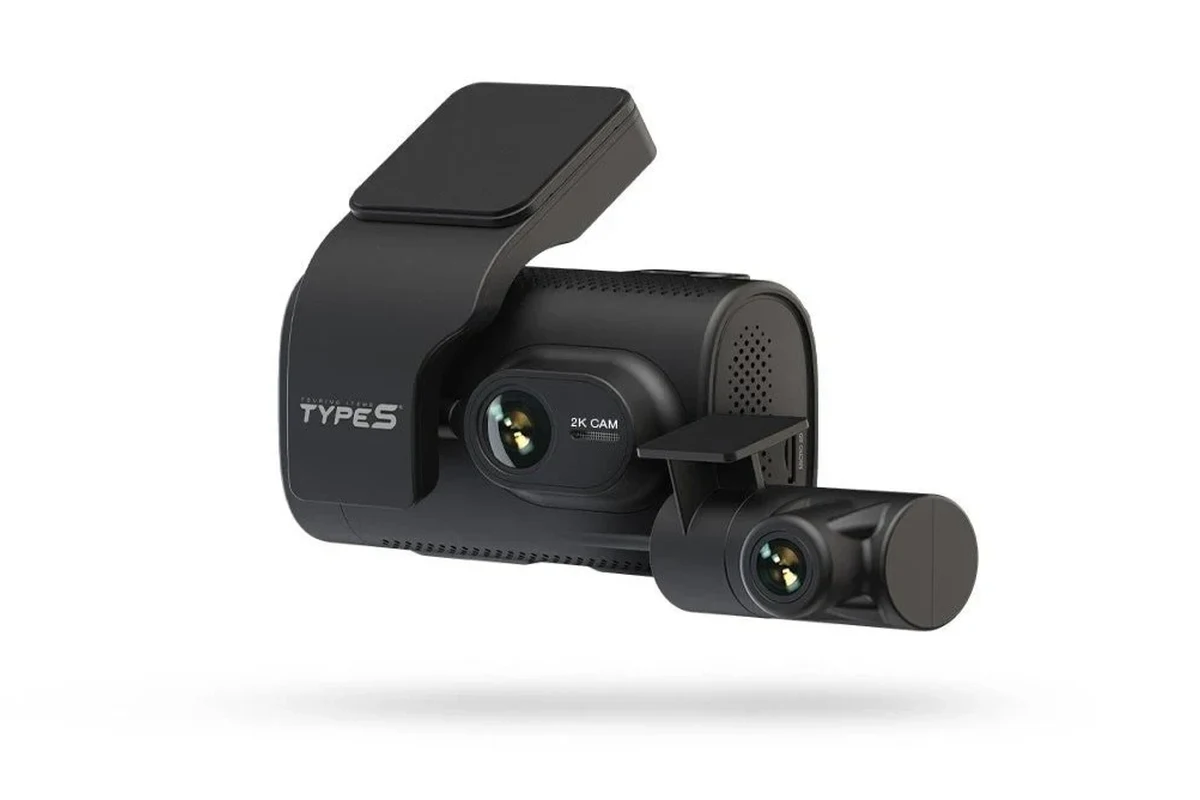
A Type S dash cam is a practical choice if you want simple everyday recording and basic parking protection. It is worth buying when you value ease of use more than premium low-light performance or advanced features.
If you want a straightforward dash cam for everyday driving, a Type S dash cam can be a practical buy. It tends to make the most sense for drivers who want basic incident recording, simple app access, and parking coverage without moving into a premium price range.
- Best fit: Commuters, first-time buyers, and budget-conscious drivers usually get the most value.
- Check first: Resolution, night performance, app stability, and memory card support matter more than marketing claims.
- Installation matters: Poor mounting or unsafe cable routing can reduce video quality and create safety issues.
- Parking mode: Confirm the power setup before assuming the camera can safely record while parked.
Type S Dash Cam: What It Is and Whether It’s Worth Buying in 2026

Type S dash cams are generally aimed at drivers who want a compact, easy-to-use camera that records the road and can help document accidents, parking bumps, and insurance claims. In 2026, the main question is not whether a dash cam is “fancy,” but whether it reliably captures usable footage, stores clips safely, and fits your car’s power setup.
Quick verdict: who the Type S dash cam fits best
A Type S dash cam is usually a good fit for commuters, students, families, and rideshare drivers who want a simple front-facing camera with basic app support. It is less compelling if you need top-tier low-light performance, advanced driver-assistance integration, or a dual-channel system with premium video quality.
What this article will cover: features, setup, safety, and value
Below, Alex Carter breaks down the features that matter most, what to check before buying, how installation affects performance, and where Type S sits versus other dash cam options. Because model details vary, the safest approach is to compare the exact product page, current manual, and retailer listing before you buy.
For dash cams, the real value is not just recording video. It is whether the camera captures enough detail, survives heat, and keeps working when you need the footage later.
Type S Dash Cam Overview: Main Features and Core Use Cases
Most Type S dash cams are built around the same core idea: record continuously while driving, save important clips when an impact is detected, and make footage easy to review on a phone or memory card. Exact features vary by model, so think of the brand as a range of options rather than one fixed product.
Video quality, field of view, and night recording basics
When shopping for any dash cam, resolution matters, but it is only part of the story. A camera may advertise high resolution yet still struggle with motion blur, glare, or unreadable license plates if the sensor, lens, and compression settings are weak.
Field of view also matters. A wider view can capture more lanes and roadside activity, but if it is too wide, objects may look smaller and harder to identify. For night recording, look for clear manufacturer claims about low-light performance, HDR or similar image balancing features, and how the camera handles headlights and street glare.
Parking mode, loop recording, G-sensor, and app connectivity
Parking mode is useful if you want the dash cam to monitor the vehicle while it is parked. In practice, that feature often depends on how the camera is powered, whether it has a hardwire kit, and whether your vehicle battery can support the setup safely. If you want a deeper look at power-backed parking setups, see our guide to a dash cam battery pack.
Loop recording means the camera overwrites the oldest unlocked clips when the card fills up, so you do not have to delete files constantly. A G-sensor, or impact sensor, locks clips when it detects a collision or sudden movement. App connectivity can make it easier to change settings and download clips, but app reliability varies a lot by brand and model.
Best use cases: daily commuting, rideshare, road trips, and parking protection
Type S dash cams are typically most useful for routine driving where you want a simple record of what happened if another driver cuts you off, bumps your car, or disputes a claim. They can also work for road trips, where a compact camera is easier to live with day after day.
For rideshare and delivery driving, easy access to footage is especially helpful. If you want a broader comparison for that kind of use, our guide to the best dash cam for Uber can help you think through front-camera and parking-mode priorities. For drivers who want a more general overview of the category, our best dash cam for car guide is also useful.
How to Evaluate a Type S Dash Cam Before You Buy
The smartest way to shop is to compare the features that affect real-world usefulness, not the marketing language. That means looking at resolution, storage, power, mounting, app quality, and durability before you compare price.
Resolution, frame rate, and license plate readability
Higher resolution can help, but it does not guarantee readable plates. Frame rate matters too, because smoother video may better capture fast-moving traffic. If a product page does not clearly explain how the camera handles motion, glare, or nighttime scenes, be cautious about assuming it will perform well in a real incident.
Storage support, app reliability, and ease of file transfer
Dash cams depend on memory cards, and the wrong card can cause dropped footage or corrupted files. Before buying, confirm the supported card type and maximum capacity in the manual. If you are setting up a new card, our step-by-step guide on how to format an SD card for a dash cam can help prevent setup mistakes.
App reliability is another key factor. Some dash cams connect smoothly to a phone, while others can be frustrating when transferring files or pairing after an update. If wireless transfer matters to you, make sure the app is current, supports your phone’s operating system, and has recent reviews that mention stable connectivity.
Power options: 12V, hardwire kit, battery impact, and parking surveillance
Most dash cams can run from a 12V outlet, which is the easiest setup for many drivers. A hardwire kit is better if you want parking mode, but it requires careful installation and a plan to avoid draining the car battery. If you are exploring parked-car recording, our guide on how a dash cam works when the car is off explains the basic trade-offs.
Do not assume parking mode is safe just because it is available. Confirm the power method, battery protection settings, and your vehicle’s electrical limits before leaving a camera running overnight.
Build quality, heat resistance, and long-term durability
Heat is one of the biggest threats to dash cams, especially in parked vehicles. A camera that works fine in mild weather may struggle in hot climates or direct sun if the housing, adhesive, or internal battery is not designed for it. For buyers in hot regions, it is worth comparing the brand’s temperature guidance with guides like our coverage of the best dash cam for Texas heat.
Long-term durability also depends on the mount, cable quality, and how well the camera tolerates vibration. A simple design can be a plus if it reduces points of failure.
Type S Dash Cam Comparison: What It Does Well and Where It Falls Short
Type S usually competes best on simplicity and price-conscious value. It is not always the most advanced choice, but it can still be a sensible everyday tool if you know its limits.
Strengths: value, simple setup, and everyday incident recording
The biggest advantage is often ease of ownership. Many drivers want a camera that does not take over the car with extra menus, confusing wiring, or complicated setup steps. A Type S dash cam can be appealing for that reason.
- Usually straightforward to install and operate
- Useful for documenting daily driving incidents
- Can be a practical entry point for first-time dash cam buyers
- May not match premium cameras in low-light clarity
- App performance and file transfer can vary
- Advanced features may be limited or model-specific
Limitations: low-light performance, app quirks, and feature trade-offs
Budget and midrange dash cams often make trade-offs, and Type S is no exception. The most common limitations are weaker nighttime detail, less polished mobile software, and fewer advanced options such as dual-channel recording or cloud features.
How it compares with budget, midrange, and premium dash cam alternatives
Compared with very cheap no-name cameras, a Type S model may offer a safer bet in terms of brand familiarity and user support. Compared with midrange brands, it may be simpler but not as refined. Compared with premium systems, it may lose on image quality, parking intelligence, and app experience.
| Option | Best For | Key Consideration |
|---|---|---|
| Budget dash cam | Lowest-cost basic recording | Check video quality and support carefully |
| Type S dash cam | Simple everyday use | Balance ease of use against feature limits |
| Premium dash cam | Maximum clarity and features | Higher cost may be worth it for parking and night use |
Evidence limits: why specs matter more than marketing claims
Without verified first-hand testing, the safest way to judge any Type S dash cam is by the published specs, the manual, and independent user feedback from recent buyers. Marketing phrases like “ultra clear,” “best night vision,” or “smart parking protection” mean little unless they are backed by actual feature details and realistic sample footage.
Setup and Installation Guide for First-Time Users
Good installation matters as much as the camera itself. A poorly mounted dash cam can capture glare, miss key traffic lanes, or create a distraction on the windshield.
Mounting the camera for the best view and minimal glare
Mount the camera high enough to keep the road centered in the frame, but not so high that it interferes with sensors or tint bands. Keep the lens pointed level so the horizon is not tilted. If the windshield has a dark dotted area or heavy curve, test the placement before finalizing the adhesive.
Routing power safely without blocking airbags or controls
Run the cable so it does not hang in the driver’s line of sight or cross over airbags. This is especially important in vehicles with curtain airbags along the A-pillar. If you want a cleaner install, our guide on how to hide dash cam wires in the headliner explains safe routing basics.
- Follow the vehicle’s airbag layout before routing cables
- Use the included mount and power method recommended by the manual
- Confirm the camera powers on and records before driving away
- Do not drape wires where they can snag or distract the driver
- Do not place the camera where it blocks the road or mirrors
- Do not force a hardwire install without understanding the vehicle’s fuse layout
Formatting the memory card, pairing the app, and checking recording settings
Before regular use, format the memory card in the camera if the manual recommends it. Then pair the app, confirm date and time settings, and check whether loop recording and G-sensor sensitivity are set appropriately. If the camera has parking mode, verify whether it needs a hardwire kit or a separate power accessory.
Use a compatible card and format it through the camera or the recommended method.
Connect while parked, then confirm that live view and downloads work as expected.
Verify loop recording, date stamp, and impact sensitivity before relying on the camera.
Common setup mistakes that reduce video quality or reliability
Many problems come from small mistakes: mounting at the wrong angle, using an incompatible memory card, leaving the lens dirty, or assuming parking mode works without the right power setup. Another common issue is skipping a test recording, which can leave you with a camera that is powered on but not saving usable clips.
Safe Use, Care, and Maintenance Tips
Dash cams do not require much maintenance, but the small tasks matter. A camera that is clean, updated, and properly powered is much more likely to help when an incident happens.
Cleaning the lens, screen, and adhesive mount properly
Use a soft microfiber cloth to clean the lens and screen. Avoid harsh cleaners that can damage coatings or plastic surfaces. If the adhesive mount needs removal later, follow the manufacturer’s removal guidance so you do not crack the windshield trim or leave residue in the wrong place.
How to avoid overheating, battery drain, and corrupted files
Heat can shorten the life of the camera and the memory card. If you live in a hot climate, consider whether the camera is designed for high cabin temperatures and whether parking mode should be limited. Battery drain is another concern, especially if the camera is hardwired or left in parking mode too long. For more on that topic, see our guide on how to prevent a dash cam from draining the battery.
Routine checks: firmware updates, memory card health, and cable inspection
Check for firmware updates if the brand offers them, because updates may improve stability or app compatibility. Review the memory card periodically for wear, since dash cams write to the card constantly. Also inspect the cable for fraying, loose connections, or heat damage, especially if the camera has been installed for a long time.
- Reformat the memory card on a regular schedule if the manual recommends it.
- Keep the lens clean so glare and haze do not reduce usable footage.
- Test the camera after any battery disconnect, firmware update, or card swap.
Value, Budget Considerations, and Buying Advice
In 2026, dash cam value is less about finding the cheapest device and more about avoiding a camera that fails when you need it. A lower-cost model can still be worthwhile if it records reliably and fits your vehicle without hassle.
What you should expect at different price points in 2026
At the lower end, expect basic recording, simpler mounts, and fewer advanced features. In the middle range, you may see better app support, stronger image quality, and more useful parking features. At the premium end, you are usually paying for better sensors, dual-channel options, smoother software, and more polished accessory ecosystems. Current pricing can change quickly, so confirm availability and exact feature sets with the retailer or manufacturer before buying.
When to choose a Type S dash cam over a more expensive model
Choose Type S if you want a simple, recognizable brand, easy setup, and practical recording for commuting or errands. If your priorities include the sharpest night footage, advanced parking surveillance, or more robust software, a higher-end camera may be a better fit. For drivers comparing value-focused options, our guide to the best dash cam for the money can help frame the trade-offs.
New vs used buying considerations and warranty basics
Buying new is usually safer for dash cams because used units may have worn memory-card slots, degraded adhesive mounts, or missing accessories. If you do buy used, verify the exact model, included cables, and whether the seller can confirm it powers up and records correctly. Warranty terms vary by seller and region, so check coverage before you finalize the purchase.
Final Recommendation: Is the Type S Dash Cam the Right Choice for You?
Type S dash cams make the most sense for drivers who want a practical, low-friction way to record the road and capture basic parking incidents. They are not the best fit for shoppers who want premium low-light performance, the most advanced app experience, or a fully featured dual-camera system.
Best-fit buyer profiles and situations where another model may be better
This is a good option for daily commuters, first-time dash cam buyers, and budget-conscious drivers who value simplicity. It may be a weaker choice for frequent night drivers, heavy rideshare use, or anyone who needs the strongest possible evidence quality after a collision. If your vehicle spends a lot of time parked outdoors, compare the camera’s heat tolerance and parking power setup carefully before deciding.
Transparent verdict on overall value, safety, and everyday usefulness
Overall, a Type S dash cam can be a sensible everyday purchase if you understand its feature level and verify the exact model’s capabilities before buying. The safest approach is to compare the manual, app requirements, storage support, and power options against your own driving routine, then choose the model that fits your car rather than the one with the biggest marketing claim.
Type S dash cams are best for drivers who want simple, affordable incident recording with minimal setup hassle. If you need stronger night performance, advanced parking features, or dual-camera coverage, look at a more capable model instead.
Common Questions
Usually no, especially if you use a 12V outlet and a simple mount. Hardwiring for parking mode takes more care.
Some models can, but the power method matters. Check whether you need a hardwire kit or battery accessory.
It can be, if the camera is mounted correctly and the footage is clear. Night scenes and fast motion are the biggest challenges.
Use a card that matches the camera’s supported type and capacity. Formatting it correctly helps avoid file errors.
New is usually safer because used dash cams may have worn parts or missing accessories. If buying used, confirm it records properly.
Frequently Asked Questions
It is usually best for drivers who want simple recording without a complicated setup. That includes commuters, students, and budget-conscious shoppers.
Check the exact model’s resolution, frame rate, memory card support, and power options. Also confirm whether parking mode needs a hardwire kit.
Very important if you drive after dark or park on the street. Low-light quality often matters more than the highest advertised resolution.
Keep the lens clean, inspect the cable, and monitor the memory card for wear. If the manual recommends it, update firmware and reformat the card periodically.
Many buyers focus on price or resolution alone and ignore app quality, power setup, and heat resistance. Those details often determine whether the camera is actually useful.
Choose a higher-end camera if you need stronger night footage, dual-camera coverage, or more reliable parking features. It can also be worth it for frequent rideshare or night driving.