
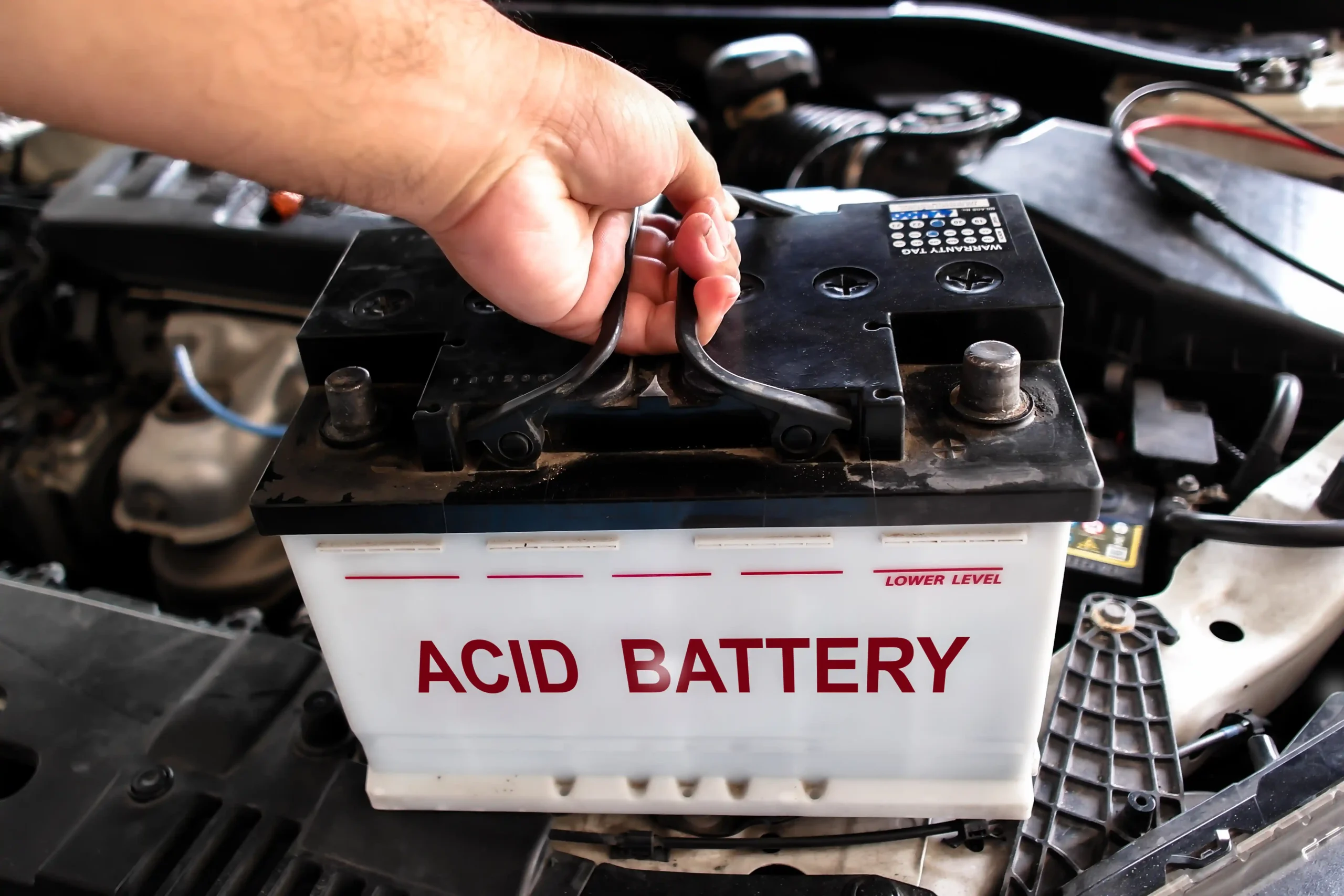
If your car starts slowly one morning, it is easy to wonder the same thing many drivers ask: how long do car batteries last? I get it. A weak battery can turn a normal day into a stressful one fast.
In most gas-powered cars, a standard 12-volt car battery lasts about 3 to 5 years. Some batteries last longer, but heat, cold, short trips, age, and heavy electrical use can shorten battery life.
In this guide, I’ll explain what affects battery life, how to spot warning signs, when to test your battery, and how to make a smart replacement decision before your car leaves you stuck.
Quick Answer
Most car batteries last about 3 to 5 years under normal driving conditions. If you live in a very hot climate, take many short trips, or use a lot of electronics, your battery may wear out sooner. If your battery is more than 3 years old, I recommend testing it at least once a year. Replacing it before it fails is usually less stressful than waiting for a no-start morning.
How Long Do Car Batteries Last in Real Life?
Here’s the thing: there is no single battery lifespan that fits every car. A battery in a mild climate with regular highway driving may last longer than one in a hot city with stop-and-go trips.
For most everyday drivers in the USA, 3 to 5 years is the safe range to remember. That does not mean your battery will die the day it turns 3 years old. It means you should start paying attention.
A car battery does more than start the engine. It also supports lights, radio memory, computers, security systems, power locks, and many small electronics when the engine is off. Once the battery gets weak, the car may still start for a while, but the margin becomes smaller.
Modern vehicles can also be harder on batteries. Many cars have touchscreens, sensors, stop-start systems, heated seats, cameras, and advanced control modules. All of those features need steady electrical support.
Alex’s Tip: If your battery is 4 years old and winter is coming, do not wait for the first freezing morning to think about it. A simple battery test can save you from a bad surprise.
What Affects Car Battery Life?
A battery may look simple from the outside, but many things affect how long it lasts. Some are easy to control. Others are not.
Climate
Heat is one of the biggest battery killers. Hot weather can speed up chemical wear inside the battery. Cold weather does not usually damage a healthy battery as quickly, but it makes the battery work harder when starting the engine.
That is why many drivers notice battery problems in winter, even if the real wear started during summer.
Driving Habits
Short trips can be tough on a battery. Starting the engine uses power. The alternator then needs time to recharge the battery while you drive. If most of your trips are only 5 to 10 minutes, your battery may not fully recover.
Battery Type
Not all car batteries are the same. Standard flooded batteries are common and usually cost less. AGM batteries often handle deeper electrical loads better and are common in vehicles with stop-start systems.
If you are buying a replacement, make sure the size, type, and cold cranking amp rating match your vehicle. A trusted source like the Consumer Reports car battery buying guide can help you understand the basic buying factors.
- Hot weather can shorten battery life.
- Cold weather makes weak batteries show problems faster.
- Short trips may prevent full charging.
- Loose or dirty terminals can reduce performance.
- Leaving lights or accessories on can drain the battery.
Signs Your Car Battery Is Getting Weak

A weak battery usually gives clues before it fails. The problem is that many drivers ignore those clues until the car refuses to start.
Pay attention to how your car behaves during startup. A healthy battery should start the engine with confidence. If the engine cranks slowly or the dashboard lights flicker, the battery may be losing strength.
| Warning Sign | What It May Mean | What To Do |
|---|---|---|
| Slow engine crank | The battery may not have enough starting power | Test the battery soon |
| Clicking sound when starting | Battery voltage may be too low | Check battery and terminals |
| Dim headlights before startup | Battery may be weak or undercharged | Test charging system |
| Battery warning light | Battery or charging system issue | Get it checked quickly |
| Corrosion on terminals | Poor connection or acid buildup | Clean terminals safely |
If you see one sign, do not panic. But if you see several signs together, take it seriously. A battery test is quick, and many auto parts stores or repair shops can do it.
Warning: If your battery case is swollen, cracked, leaking, or smells strange, do not try to keep using it. Have it inspected by a professional.
When Should You Replace a Car Battery?
So what should you do? I like to think of battery replacement in three stages: watch, test, and replace.
If your battery is under 3 years old and the car starts well, you can usually just watch for warning signs. If it is 3 to 5 years old, start testing it once a year. If it is over 5 years old, I would not trust it blindly, especially before a long trip.
You should also replace the battery if a proper test shows weak capacity, even if the car still starts. Waiting too long can leave you stranded at the worst time.
- Find the battery age from the date sticker or receipt.
- Check for slow starts, dim lights, or dashboard warnings.
- Inspect the terminals for corrosion or looseness.
- Test the battery before winter or before a long road trip.
- Replace it if testing shows poor health.
If you are already planning basic car maintenance, this is a good time to check related items too. You can also read my guide on how to check tire pressure the right way because small maintenance habits often prevent bigger problems.
Car Battery Types Compared
Choosing the right battery matters. You do not need the most expensive battery for every car, but you do need the correct battery for your vehicle.
| Battery Type | Best For | Simple Notes |
|---|---|---|
| Flooded lead-acid | Many standard vehicles | Common, affordable, and widely available |
| AGM | Vehicles with higher electrical demand | Often better for stop-start systems and modern electronics |
| EFB | Some stop-start vehicles | Stronger than a basic flooded battery in some uses |
Before buying, check your owner’s manual or ask a trusted parts counter. Battery group size, terminal position, and power rating matter. The wrong fit can cause installation problems or poor performance.
If you want to compare replacement cost ranges, Kelley Blue Book’s battery replacement guide is a helpful place to start.
How to Make Your Car Battery Last Longer
The good news is that simple habits can help your battery last longer. You do not need to become a mechanic. You just need to treat the battery like a normal maintenance item.
- Drive long enough for the alternator to recharge the battery.
- Turn off lights and accessories before leaving the car.
- Keep battery terminals clean and tight.
- Do not ignore slow starts or warning lights.
- Test the battery once a year after it reaches 3 years old.
If your car sits for long periods, the battery can slowly drain. This is common with vehicles used only on weekends or during certain seasons. In that case, a smart battery maintainer may help, but always follow your vehicle and battery instructions.
Common Mistakes to Avoid
A lot of battery problems come from small mistakes. These are easy to avoid once you know them.
- Waiting until the car will not start before testing the battery.
- Buying a battery only by price, not by the correct size and rating.
- Ignoring corrosion around the battery terminals.
- Leaving interior lights, chargers, or accessories on overnight.
- Assuming every starting problem is only the battery.
- Installing the wrong battery type in a stop-start vehicle.
That last point matters. Some modern vehicles need a specific battery type. If your car came with an AGM battery, replacing it with the wrong type may cause problems.
Expert Tips from Alex
Alex’s Tip: Write the battery installation date on your maintenance notes. It makes future decisions much easier.
Alex’s Tip: Test the battery before a road trip, not during one. A weak battery is much easier to handle at home than in a parking lot far away.
Alex’s Tip: Do not judge the battery only by whether the car started today. A weak battery can still start the car until the day it cannot.
Alex’s Tip: If your car has strange electrical behavior, check the battery and charging system before replacing expensive parts.
Also, check for open recalls from time to time. Some electrical or battery-related issues may be covered by a manufacturer repair. The NHTSA recall lookup tool is the official place to check by vehicle information.
Key Takeaways
- Most car batteries last about 3 to 5 years.
- Heat, cold, short trips, and heavy electronics can shorten battery life.
- Slow starts, clicking sounds, and dim lights can mean the battery is weak.
- Test your battery yearly once it is more than 3 years old.
- Always replace your battery with the correct size, type, and rating.
Frequently Asked Questions
How long do car batteries last on average?
Most car batteries last about 3 to 5 years on average. Some last longer, but climate, driving habits, battery type, and vehicle electronics can change the lifespan.
Can a car battery last 7 years?
Yes, a car battery can last 7 years in some cases, but I would not count on it for most vehicles. If your battery is that old, test it soon and consider replacing it before it fails.
What are the signs of a bad car battery?
Common signs include slow engine cranking, clicking when you turn the key, dim lights, dashboard warning lights, and corrosion around the terminals. If these signs appear together, test the battery quickly. Does hot weather kill car batteries faster?
Yes, hot weather can shorten car battery life. Heat speeds up internal wear, and the damage may show later when cold weather makes starting harder.
How often should I test my car battery?
I recommend testing your battery once a year after it reaches 3 years old. You should also test it before long trips or before winter if the battery is getting older.
Should I replace my battery before it dies?
Yes, replacing a weak battery before it dies is usually the smarter move. It helps you avoid getting stranded and gives you time to choose the right battery.
Can short trips drain a car battery?
Yes, frequent short trips can leave the battery undercharged. Starting the engine uses power, and a short drive may not give the alternator enough time to fully recharge the battery.
Final Thoughts
A car battery is easy to ignore until it fails. But once you know the normal 3 to 5 year lifespan, the warning signs, and the value of testing, battery care becomes simple.
My advice is straightforward: check the battery age, watch for slow starts, and test it once a year after year three. If the test says the battery is weak, replace it before it turns into a roadside problem.
For your next step, you may also want to review my guide on essential car maintenance tools for beginners. A few basic tools and good habits can keep your car more reliable all year.