
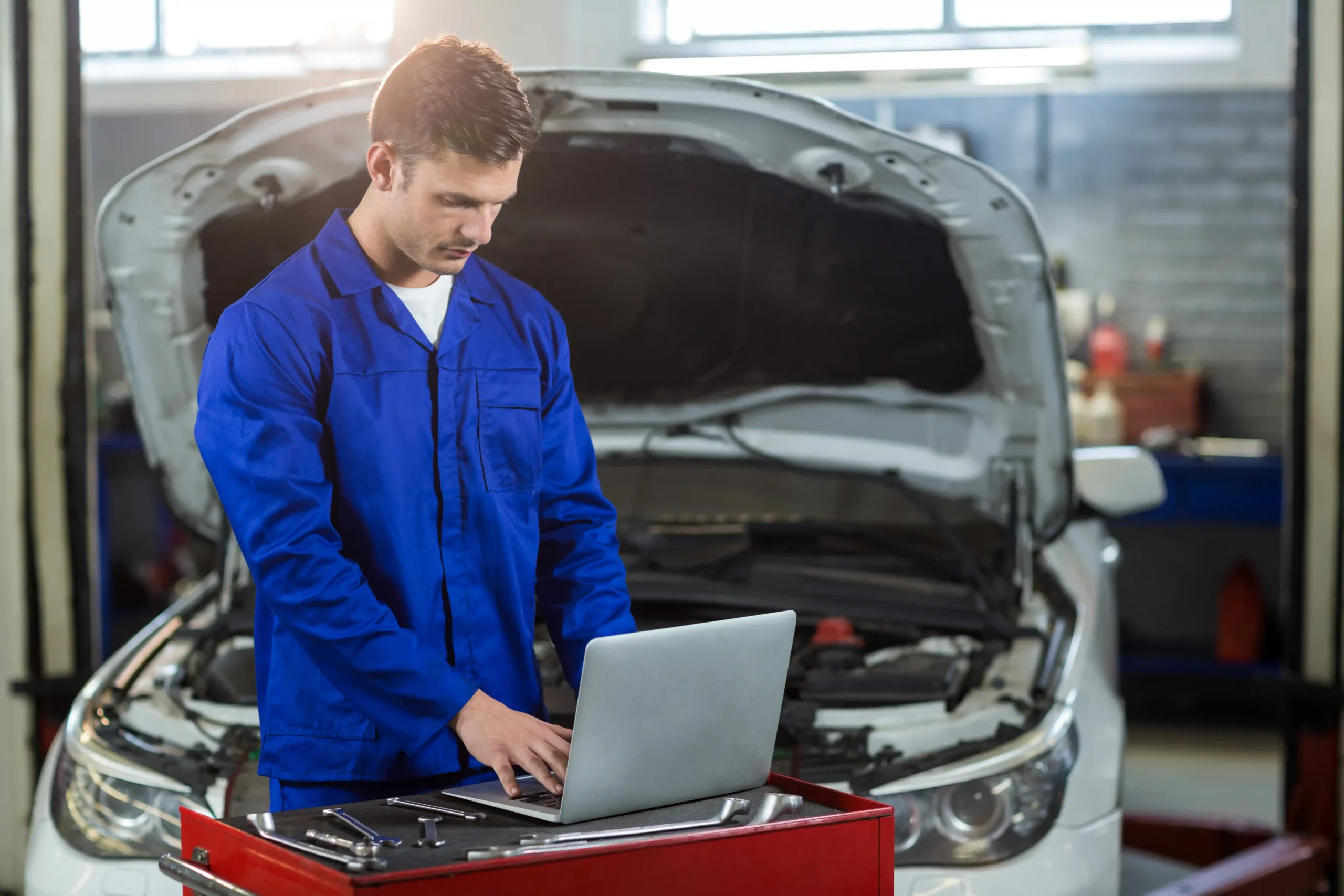
The importance of regular car maintenance is easy to ignore until something goes wrong. One day your car starts fine, the next day you hear a strange noise, see a warning light, or feel the steering pull to one side. That is when a small maintenance task can suddenly turn into a stressful repair bill.
I’m Alex Carter, and I look at car care in a simple way: regular maintenance is not about being a mechanic. It is about keeping your vehicle safe, reliable, efficient, and ready for daily life. Whether you drive to work, school, the grocery store, or across state lines, your car needs basic attention.
In this guide, I’ll break down why maintenance matters, what to check, how often to check it, and which mistakes to avoid. The goal is simple: help you take better care of your car without making the process confusing.
Quick Answer
Regular car maintenance is important because it helps keep your vehicle safe, reliable, fuel-efficient, and less expensive to own over time. Simple tasks like oil changes, tire pressure checks, brake inspections, fluid top-offs, and battery checks can prevent bigger problems later. A well-maintained car is also easier to trust on long drives, bad weather days, and busy daily commutes.
Why the Importance of Regular Car Maintenance Is Bigger Than Most Drivers Think
Here’s the thing. A car is made of many parts working together. The engine needs clean oil. The tires need the right pressure. The brakes need good pads and fluid. The battery needs enough power. The lights need to work. If one part gets ignored, it can affect other parts too.
Regular maintenance helps you catch problems early. A small oil leak, weak battery, worn tire, or low coolant level may not feel urgent today. But if you keep driving without checking it, the problem can grow. That is when repairs become more expensive and more stressful.
Maintenance also protects safety. Tires, brakes, lights, steering, windshield wipers, and mirrors all affect how well you control the car. The National Highway Traffic Safety Administration gives drivers tire safety guidance because tire care has a direct link to safe driving.
Alex’s Tip: I like to think of maintenance as “small checks before big problems.” You do not need to know every technical detail. You just need a simple habit and a basic schedule.
The Main Benefits of Regular Car Maintenance
Good maintenance gives you more than a cleaner engine bay. It gives you peace of mind. You know the car is less likely to surprise you at the worst possible time.
- Better safety: Brakes, tires, lights, and wipers help you react better on the road.
- More reliability: A maintained car is less likely to break down without warning.
- Lower long-term costs: Small services can help prevent major repairs.
- Better fuel economy: Proper tire pressure, clean filters, and correct oil can help your car run more efficiently.
- Higher resale value: A car with service records is easier to sell with confidence.
The good news is that most basic maintenance does not require advanced skills. You can check tire pressure, lights, wipers, washer fluid, and visible leaks at home. For brakes, suspension, belts, and deeper engine work, a trusted mechanic is the better choice.
What Regular Car Maintenance Usually Includes
So what should you actually check? Every vehicle is different, so your owner’s manual should be your main guide. Still, most cars need attention in the same basic areas.
| Maintenance Item | Why It Matters | Basic Check |
|---|---|---|
| Engine oil | Helps protect the engine from heat and wear | Check level and follow the oil change interval |
| Tires | Affects traction, braking, fuel economy, and ride comfort | Check pressure, tread depth, and uneven wear |
| Brakes | Critical for stopping safely | Listen for noise and inspect pads during service |
| Battery | Starts the car and supports electrical systems | Watch for slow starts, corrosion, and age |
| Fluids | Support cooling, braking, steering, and visibility | Check coolant, brake fluid, washer fluid, and transmission fluid if applicable |
| Lights and wipers | Help you see and be seen | Check headlights, brake lights, turn signals, and wiper condition |
For a broader maintenance checklist, the Car Care Council guide is a helpful resource for everyday drivers who want a simple overview of vehicle systems and service areas.
A Simple Maintenance Schedule for Busy Drivers

You do not need to check everything every day. A simple rhythm works best. I prefer a monthly check, a seasonal check, and a service-interval check based on mileage or time.
Monthly Checks
- Check tire pressure when the tires are cold.
- Look at tire tread and sidewalls for damage.
- Test headlights, brake lights, and turn signals.
- Check windshield washer fluid.
- Look under the car for fresh leaks.
Every Few Months
- Check wiper blades for streaking or cracking.
- Inspect the battery terminals for corrosion.
- Look at engine air filter condition.
- Check coolant level when the engine is cool.
- Review your service records.
At Service Intervals
Follow your owner’s manual for oil changes, tire rotations, brake inspections, filter replacement, spark plugs, transmission service, coolant service, and other scheduled work. Newer vehicles may have oil-life monitors, but I still suggest checking the manual so you understand what the car needs.
How Maintenance Helps Save Money
Many drivers delay maintenance because they want to save money today. I understand that. Car ownership already costs enough. But skipping basic care often moves the cost into the future, and the future repair can be much bigger.
For example, driving too long with low oil can damage engine parts. Ignoring worn brakes can damage rotors. Running on underinflated tires can cause poor wear and lower efficiency. Skipping coolant care can lead to overheating. None of these problems are fun.
The U.S. Department of Energy notes that using the recommended motor oil and keeping tires inflated to the vehicle maker’s pressure can help fuel economy. That means regular maintenance can support both your car and your wallet.
| Ignored Maintenance | Possible Result | Better Habit |
|---|---|---|
| Low tire pressure | Uneven wear, lower efficiency, poor handling | Check pressure monthly |
| Old engine oil | More engine wear and poor protection | Follow oil change schedule |
| Worn brake pads | Longer stopping distance and rotor damage | Inspect brakes during routine service |
| Weak battery | No-start problems | Test battery before extreme weather |
| Bad wiper blades | Poor visibility in rain or snow | Replace when they streak or skip |
Safety Checks You Should Not Ignore
Some maintenance items are more than comfort issues. They affect safety every time you drive. If you only build one habit from this guide, make it this: check the parts that touch safety first.
- Tires: Check pressure, tread depth, cracks, bulges, and uneven wear.
- Brakes: Pay attention to squealing, grinding, vibration, or a soft brake pedal.
- Lights: Make sure headlights, brake lights, reverse lights, and turn signals work.
- Wipers: Replace blades that streak, chatter, or leave blind spots.
- Steering: Do not ignore pulling, shaking, or unusual looseness.
Warning: If your brake warning light, oil pressure light, temperature warning light, or battery warning light comes on, do not treat it like a normal reminder. Check your manual and get help quickly.
Common Car Maintenance Mistakes to Avoid
Most maintenance mistakes happen because drivers are busy, not careless. Life gets packed. Work, family, school, errands, and traffic all compete for attention. Still, a few simple habits can prevent common problems.
- Do not use the tire pressure number printed on the tire sidewall as your normal target.
- Do not ignore new noises just because the car still drives.
- Do not wait until wipers fail in heavy rain before replacing them.
- Do not skip oil changes because the engine “sounds fine.”
- Do not forget to check the spare tire if your vehicle has one.
- Do not buy parts or fluids without checking what your vehicle requires.
If you are unsure, check your owner’s manual or ask a qualified technician. Guessing with the wrong oil, coolant, battery type, or transmission fluid can create problems you were trying to avoid.
Expert Tips from Alex
Alex’s Tip: Keep a simple maintenance log. It can be a notebook, spreadsheet, or notes app. Record the date, mileage, service done, and parts used.
Alex’s Tip: Check your car before a road trip, not the morning of the trip. Give yourself time to fix low tires, weak wipers, bad lights, or a weak battery.
Alex’s Tip: Learn your car’s normal sounds. When you know what normal feels like, strange vibrations, clicks, squeals, and smells are easier to notice early.
Alex’s Tip: Spend money first on safety basics: tires, brakes, lights, wipers, battery, and fluids. Cosmetic upgrades can wait.
Key Takeaways
- Regular car maintenance helps protect safety, reliability, fuel economy, and resale value.
- Monthly checks for tires, lights, wipers, fluids, and leaks can prevent bigger trouble.
- Your owner’s manual is the best guide for service intervals and correct fluids.
- Ignoring small problems can lead to larger repair bills later.
- A simple maintenance log makes car ownership easier and more organized.
Frequently Asked Questions
Why is regular car maintenance important?
Regular car maintenance is important because it helps keep your car safe, reliable, and efficient. It also helps you catch small problems before they become expensive repairs. How often should I maintain my car?
You should do basic checks every month and follow your owner’s manual for oil changes, tire rotations, filters, fluids, and major services. The exact schedule depends on your vehicle, mileage, age, and driving conditions. What happens if I skip regular car maintenance?
If you skip regular car maintenance, your car may become less safe, less reliable, and more expensive to repair. Small issues like low fluids, worn brakes, or weak tires can turn into bigger problems over time. Can regular maintenance improve fuel economy?
Yes, regular maintenance can help improve fuel economy. Proper tire pressure, the correct motor oil, clean filters, and a well-running engine can all help your car use fuel more efficiently. What car maintenance can I do myself?
Most drivers can check tire pressure, inspect lights, refill washer fluid, look for leaks, check wiper blades, and review fluid levels. For brakes, suspension, electrical problems, and major engine work, it is safer to use a qualified mechanic. Does regular maintenance help resale value?
Yes, regular maintenance can help resale value because it shows buyers that the car was cared for. Service records make the vehicle easier to trust and may help you sell it faster.
Final Thoughts
Regular car maintenance does not need to be complicated. Start with the basics: tires, oil, brakes, lights, battery, fluids, and wipers. Those simple areas cover a lot of the safety and reliability problems drivers face every day.
My practical recommendation is to build a monthly routine and keep records. You do not have to become a mechanic. You just need to stay ahead of small issues before they become big ones.
For your next step, read this related guide on basic car maintenance tools every driver should keep at home. A few simple tools can make regular checks faster, easier, and less stressful.