
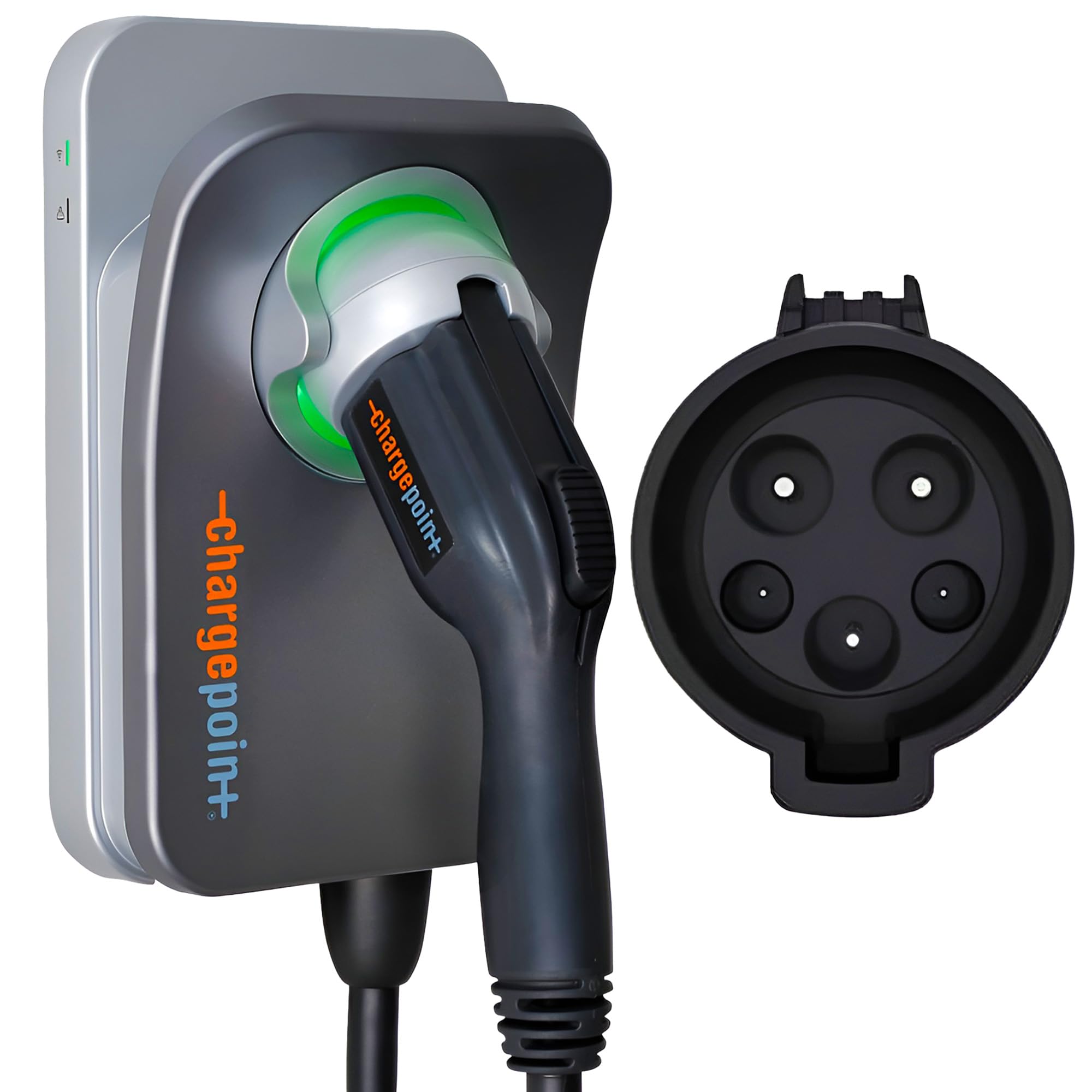
A gas car fills up in five minutes, but an Level 2 EV Chargers on a different schedule entirely. Plugging into a standard wall outlet adds only a few miles of range per hour, which works for light drivers but leaves most EV owners waiting days to refill after a long trip. A Level 2 charger changes that math by using a 240-volt circuit instead of a standard 120-volt outlet, cutting charge times from days to hours.
Level 2 chargers fall into two basic setups: plug-in units that connect to an existing outlet like a NEMA 14-50, and hardwired units that a licensed electrician connects directly to the electrical panel. Plug-in chargers are easier to install and can move with the owner, while hardwired models often support higher amperage and are built for a permanent spot in the garage or driveway. Connector type matters too. J1772 works with nearly every non-Tesla EV, while NACS is the Tesla standard that other automakers are now adopting.
Before buying, check the vehicle’s onboard charger rating, the home’s available circuit capacity, and whether professional installation is realistic. A charger rated for 48 amps is only as fast as the weaker of the car’s charging limit and the circuit it’s plugged into, so more amperage does not always mean a faster charge. Cable length, weatherproofing, and app features also affect day-to-day convenience once the unit is mounted.
Best overall: EVIQO Level 2 EV Charger J1772 40A
Best plug-in value: EMPORIA Level 2 EV Charger 48 Amp
Best high-amperage hardwired model: Autel Level 2 EV Charger 50Amp
Best for network access: ChargePoint HomeFlex 50A
Best budget plug-and-play: AIMILER Level 2 EV Charger 32A J1772
Best hardwired J1772 for max speed: EVIQO Level 2 EV Charger J1772 48A Hardwired
Best Tesla/NACS charger: EVIQO Level 2 EV Charger NACS 48A
Best compact portable charger: EVDANCE Level 2 EV Charger 32Amp
Best portable for higher amperage: EVDANCE Level 2 EV Charger 40Amp
Best portable Tesla/NACS charger: AIMILER Level 2 Tesla Charger NACS
EVIQO Level 2 EV Charger J1772 40A

This plug-in charger suits most J1772 drivers who want an easy install and solid weatherproofing without hiring an electrician for hardwiring.
Pros
- Plugs into a NEMA 14-50 outlet, no hardwiring required
- IP66/NEMA 4 sealed housing for outdoor use
- 25-foot cable and glow-in-the-dark holster
Cons
- Requires a dedicated 50A circuit and correct outlet type
- Some buyers report a short internal connector cable
- Tesla owners need their own J1772 adapter
The 40A output covers most EVs’ overnight charging needs, and the app lets owners schedule off-peak sessions to cut electricity costs. Steel shielding and a sealed enclosure protect the internals in garages and outdoor mounts alike. A side reset button avoids breaker-box trips for troubleshooting.
Reviewers note strong build quality and straightforward installation once the correct outlet is in place. A few mention the interior wiring is shorter than expected, so measuring the mounting distance from the outlet before installation avoids surprises.
EMPORIA Level 2 EV Charger 48 Amp
This charger works well for buyers who want flexibility to start with a plug-in setup and later convert to hardwired for higher output.
Pros
- Convertible between 40A plug-in and 48A hardwired configurations
- Broad compatibility list including Tesla via adapter
- Competitively priced for the feature set
Cons
- Hardwiring requires a licensed electrician for the higher amperage
- A few buyers mention extra mounting screws add install time
- WiFi setup can be finicky on first connection
Emporia built this unit to meet 2017 NEC Section 625.17 requirements for outlets rated up to 40A, with an option to hardwire for the full 48A. That flexibility appeals to owners who are not sure yet which setup fits their home’s electrical panel. The app tracks energy use and lets owners schedule charging around utility rate windows.
Reviewers consistently mention easy setup and reliable daily use, even after a year of regular charging. The all-white housing looks clean mounted on a garage wall, and the 25-foot cable reaches most parking spots without added extensions.
Autel Level 2 EV Charger 50Amp
This hardwired unit is built for owners who want the highest available amperage in this lineup along with both WiFi and Bluetooth control.
Pros
- 50A output delivers up to 12kW for vehicles that can accept it
- NEMA Type 4 rated for outdoor mounting in harsh weather
- Bluetooth plus WiFi gives two ways to manage the charger
Cons
- Hardwired only, so professional installation is mandatory
- Lower average rating than most others in this list
- MagSafe-style cable connector differs from standard J1772 plugs
Autel has built vehicle diagnostic tools since 2004, and the MaxiCharger AC Home reflects that engineering background with a rugged, weather-resistant housing. The 25-foot cable stays flexible even in cold temperatures, which matters for anyone charging outdoors in winter. Automatic over-the-air updates keep the firmware current without user action.
Not every EV can pull the full 50A this charger offers, so buyers should check their vehicle’s onboard charger rating before assuming faster is always better. It qualifies for some federal rebate programs, which can offset the hardwiring cost.
ChargePoint HomeFlex 50A
ChargePoint’s HomeFlex fits owners who want a well-known charging brand with access to a large public charging network through the same app.
Pros
- Adjustable output from 16A to 50A to match different circuits
- Access to ChargePoint’s extensive public charging network via app
- Cold-resistant 23-foot cable rated for indoor or outdoor mounting
Cons
- Requires hardwiring by a licensed electrician
- Some reviewers report app connectivity issues
- Slightly shorter cable than most competitors at 23 feet
HomeFlex needs a 40A to 80A circuit depending on the amperage setting chosen during installation, giving some flexibility for homes with different panel capacities. The ChargePoint app doubles as a locator for public stations, a useful bonus for road trips. Energy Star certification confirms efficient standby power use.
Reviews are mixed on long-term reliability, with some owners reporting flawless performance for over a year and others citing app or connectivity hiccups. The brand recognition and public network integration are the main draws over lesser-known competitors.
AIMILER Level 2 EV Charger 32A J1772
This charger is a solid budget pick for owners who want plug-and-play simplicity without giving up WiFi scheduling features.
Pros
- No additional GFCI breaker needed thanks to built-in leakage protection
- Adjustable amperage from 16A to 32A via onscreen buttons or app
- Comes with a portable carrying bag for travel or storage
Cons
- Lower maximum amperage than most hardwired options here
- Requires a 20A to 40A circuit depending on the amperage setting
- WiFi setup requires a 2.4GHz-only network connection
The touchscreen display shows amperage, voltage, and charging speed in real time, and the amperage can be changed by long-pressing a button on the unit itself. That makes it useful for renters or owners without a dedicated 50A outlet. NEMA Type 4 protection with an IP66 rating covers most garage and covered outdoor installations.
At 32A, this charger charges more slowly than the 40A and 48A models in this list, so it fits best as an overnight solution for daily commuting rather than fast top-offs before a long trip.
EVIQO Level 2 EV Charger J1772 48A Hardwired
This hardwired version steps up EVIQO’s plug-in model to 48A for owners who have a dedicated 60A circuit and want faster overnight charging.
Pros
- 48A output with a DIP-switch option to unlock 50A on a 70A circuit
- Same sealed IP66/NEMA 4 housing as the plug-in EVIQO model
- Long 25-foot cable and glow-in-the-dark holster included
Cons
- Requires professional hardwired installation
- Needs a 60A (or 70A for the 50A mode) dedicated circuit
- Internal wiring length inside the unit is shorter than some expect
Owners who have already run a 60A circuit to their garage get real value from the jump to 48A, since it can meaningfully cut charge times over a 32A or 40A unit for EVs with larger batteries. The app and reset button work the same way as EVIQO’s plug-in model, so the learning curve is minimal for anyone switching between the two.
Reviews mention flawless performance after nearly a year of regular use for several owners, with consistent praise for build quality and the clarity of the included installation instructions.
EVIQO Level 2 EV Charger NACS 48A
Tesla owners who want a dedicated home charger without an adapter dangling off the cord should look at this NACS version of EVIQO’s hardwired charger.
Pros
- Built-in NACS plug works directly with Tesla and other NACS-port EVs
- Plug includes a button to release the Tesla charge port
- Same 48A output and weatherproof housing as EVIQO’s J1772 hardwired model
Cons
- Non-Tesla J1772 vehicles need a separate adapter to use it
- Requires hardwired installation on a 60A dedicated circuit
- Newer to market with fewer total reviews than EVIQO’s J1772 versions
This charger fits households with a Tesla or another NACS-equipped EV as the primary vehicle. The built-in port-release button is a small but useful convenience that adapter-based setups do not offer. Buyers with a mixed garage, one Tesla and one J1772 car, will need a NACS-to-J1772 adapter for the second vehicle.
Owners of Rivian, Cadillac, and Toyota EVs with NACS ports report reliable performance alongside Tesla drivers in the review base, suggesting broad compatibility as more brands adopt the NACS standard.
EVDANCE Level 2 EV Charger 32Amp
This compact portable charger works for owners who want to move a charger between homes, garages, or parking spots without a permanent mount.
Pros
- Adjustable current from 10A to 32A to match different circuit sizes
- Comes with a carrying case for easy transport
- LED screen shows real-time voltage, amperage, and delay settings
Cons
- Maximum 32A output is the lowest in this roundup
- No listed WiFi app reviews to confirm app reliability
- Plastic-and-metal housing feels less rugged than hardwired units
The adjustable amperage settings let one charger work across a 20A, 30A, or 40A breaker, which is convenient for anyone charging at multiple locations. A 25-foot cable and drop-resistant plug add durability for daily plugging and unplugging. The wall-mount bracket is included for owners who want a semi-permanent setup at home.
At 32A max, this unit suits daily commuting charging rather than fast overnight top-offs for larger battery packs. Its portability is the main selling point over fixed installations in this list.
EVDANCE Level 2 EV Charger 40Amp
This step-up EVDANCE model adds 8A of output over its 32A sibling while keeping the same portable, no-WiFi-required design.
Pros
- Adjustable current from 10A to 40A across six preset levels
- 2.4-inch TFT display shows detailed charging data
- Works without WiFi, appealing to owners who want simple plug-and-charge use
Cons
- One reviewer reported a serious safety concern with the unit
- Some owners note it defaults to 32A even on a 50A circuit
- Shorter overall track record with fewer total reviews
The delayed-charging feature lets owners set a start time up to 12 hours out, useful for hitting off-peak utility rates without needing an app. A NEMA 14-50 plug means no hardwiring is required, and the unit ships with a cable holder and carrying bag. IP66 waterproofing covers most garage and covered-porch installations.
Most reviews describe reliable daily charging, though one review raised a serious safety complaint that should not be ignored. Buyers should confirm their circuit and breaker setup carefully before relying on the full 40A rating.
AIMILER Level 2 Tesla Charger NACS
This is the portable pick for Tesla and other NACS-equipped EV owners who want a plug-in charger they can move between locations.
Pros
- Built-in NACS connector works directly with Tesla Models S, 3, X, and Y
- Adjustable amperage from 16A to 32A via device buttons or app
- Compact handbag-style carrying case for portability
Cons
- 32A max output is lower than hardwired 48A or 50A options
- J1772 vehicles need a separate Tesla-to-J1772 adapter
- WiFi setup requires a 2.4GHz-only connection on first pairing
Reviewers across a range of vehicles, including Tesla Model 3, Audi Q5 plug-in hybrid, and Ford Escape PHEV, describe straightforward setup and dependable daily charging. The app tracks electricity cost per session, a detail some owners specifically compare against their factory-included charge cords.
This charger suits Tesla households that also want portability for travel or a second home, rather than a fixed high-amperage hardwired setup.
Level 2 EV Chargers Buying Guide
Understand Amperage Before Comparing Chargers
Higher amperage numbers do not automatically mean a faster charge for every vehicle. A charger’s amperage rating is a ceiling, and the actual charging speed depends on both the vehicle’s onboard charger and the electrical circuit supplying the unit.
| Amperage | Typical Circuit Needed | Best Fit |
|---|---|---|
| 32A | 40A breaker | Daily commuting, smaller battery EVs |
| 40A | 50A breaker | Most EVs charging overnight |
| 48A | 60A breaker | Larger batteries, faster overnight refill |
| 50A | 70A breaker | Vehicles with high onboard charger limits |
Check the vehicle’s owner’s manual for its maximum AC charging rate before choosing a higher-amperage charger. Paying for 48A capability provides no benefit if the car only accepts 32A.
Plug-In vs. Hardwired Installation
Plug-in chargers connect to an existing 240V outlet, usually a NEMA 14-50, and can be moved or unplugged. Hardwired chargers connect directly to the electrical panel through a dedicated circuit installed by a licensed electrician, and often support higher amperage than plug-in models.
Homeowners without an existing 240V outlet should budget for electrical work either way. Renters or owners who may move should lean toward a plug-in or portable model.
Match the Connector to the Vehicle
J1772 is the standard connector for nearly all non-Tesla EVs and plug-in hybrids sold in North America. NACS is the Tesla-style connector now being adopted by other automakers.
Tesla owners can use a J1772 charger with the adapter that comes with their car, but a NACS charger avoids that extra step and often includes a port-release button. Households with more than one EV brand should confirm which adapters are needed for each vehicle.
Weather Protection and Cable Reach
Look for an IP66 or NEMA 4 rating if the charger will be mounted outdoors or in an unheated garage. That rating protects against rain, snow, and dust.
Cable length matters for driveways and garages where the parking spot is not right next to the electrical panel. A 25-foot cable covers most home layouts, but measuring the distance from the planned mounting spot to the vehicle’s charging port avoids a charger that falls just short.
Smart Features and App Control
A WiFi-connected charger allows scheduling for off-peak electricity rates, remote start and stop, and tracking of energy use over time. Most models require a 2.4GHz WiFi network rather than 5GHz, so confirming router settings before setup avoids connection issues.
Bluetooth adds a local backup connection method when WiFi is unavailable. Not every charger needs smart features, but they add convenience for households on time-of-use electricity plans.