
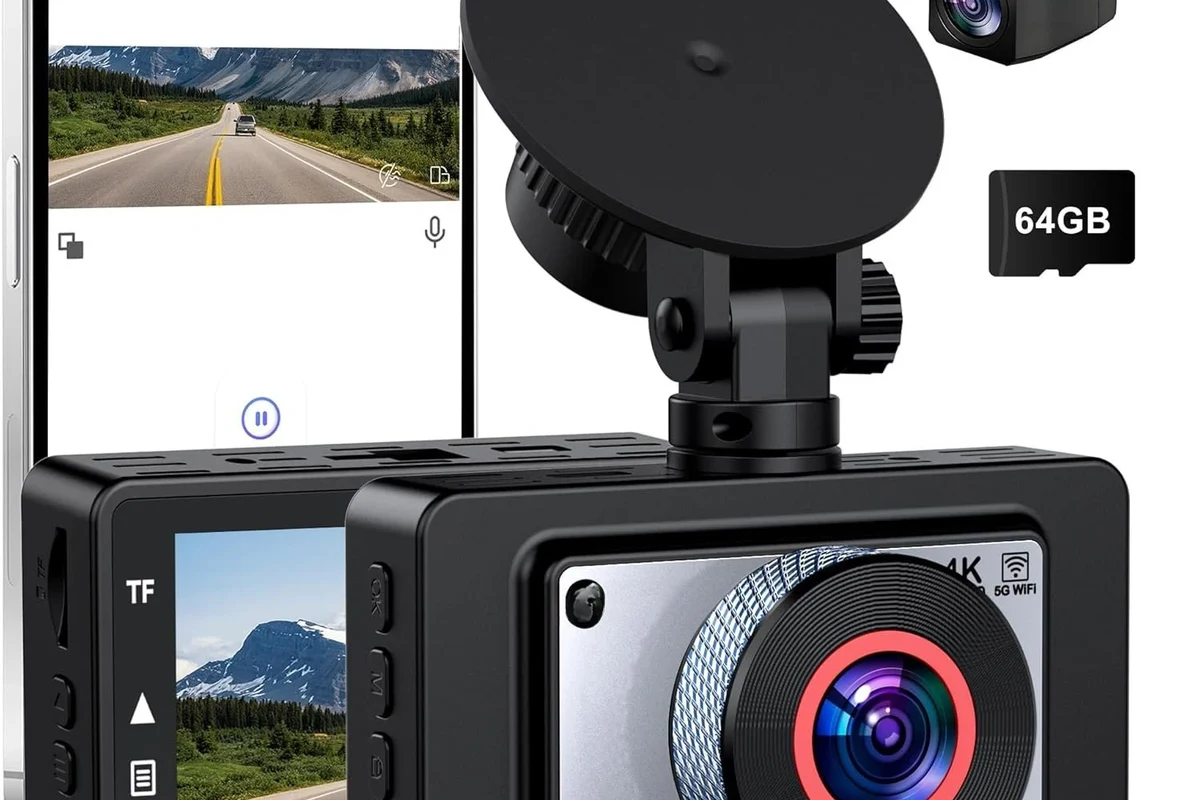
A clear dash cam is worth buying if you want reliable, readable footage for accidents, parking incidents, and everyday driving. The best choice is the one that stays sharp in real conditions, not just on a spec sheet.
A clear dash cam is worth buying in 2026 if you want sharper evidence, easier license plate reading, and less guesswork after an incident. The best choice depends less on marketing claims and more on image quality, low-light performance, storage reliability, and how well the camera fits your daily driving needs.
- Clarity means usability: Good footage should stay readable in daylight, at night, and in mixed lighting.
- Storage matters: A high-endurance memory card and proper formatting are essential for reliable recording.
- Parking mode helps: It can be valuable for hit-and-runs, vandalism, and crowded parking lots.
- Installation affects results: Mount position, wire routing, and firmware updates all influence performance.
Clear Dash Cam: What It Is and Whether It’s Worth Buying in 2026

“Clear dash cam” is not a formal industry category. In practical terms, it usually means a dash cam that records crisp, readable footage with enough detail to help identify vehicles, road signs, and events without heavy blur or compression artifacts.
Quick answer: who should choose a clear dash cam and why
If you drive often, park in public spaces, or want stronger evidence for insurance claims, a clear dash cam makes sense. It is especially useful for commuters, rideshare drivers, parents, and anyone who spends time on busy roads where disputes can happen fast.
What “clear dash cam” means in practical terms
Clear footage usually comes from a combination of resolution, sensor quality, lens design, bitrate, and software processing. A camera can advertise 4K, for example, but still produce soft or noisy video if the sensor, compression, or heat management is weak.
For shoppers, “clear” should mean readable details in daylight and usable footage at night, in rain, and in mixed lighting. That is why it helps to look beyond the headline spec and focus on how the camera handles real-world contrast, glare, and motion.
Best-fit use cases: daily commuting, rideshare, road trips, parking protection
Daily commuters benefit from clear footage when lane changes, merges, or rear-end disputes happen. Rideshare and delivery drivers often need better cabin-adjacent visibility and quick file access, especially if passengers or curbside incidents become part of the record.
Road trippers may value a wide, stable image that captures scenery and traffic events without constant manual management. For parking protection, clarity matters because low-light footage is often the difference between identifying a plate and getting a useless blur.
For shoppers comparing dash cams, the smartest question is not “What is the highest resolution?” It is “What camera records the most usable evidence for my driving and parking routine?”
How We Evaluate a Clear Dash Cam: The Features That Matter Most
When judging a clear dash cam, the goal is simple: identify which features actually improve footage quality and everyday usefulness. The best models balance clarity, reliability, and convenience rather than relying on one impressive spec.
Video clarity: resolution, night vision, HDR, and license plate readability
Resolution matters, but it is only one piece of the puzzle. Higher resolution can help preserve detail, yet night vision, sensor performance, and HDR (high dynamic range, which helps balance bright and dark areas) often matter more when the sun is low or headlights are bright.
License plate readability is a practical benchmark, but it is never guaranteed in every situation. Speed, distance, angle, weather, and lighting all affect whether a plate is legible, so a “clear” dash cam should be judged on consistency, not perfection.
Field of view, lens quality, and distortion control
A wider field of view captures more of the road, but too much width can stretch the edges and make details look smaller. Good lens quality should keep the image balanced enough to show surrounding traffic without making the center of the frame look soft.
Distortion control matters because a fisheye look can reduce the usefulness of the footage. For most drivers, a camera that sees enough road ahead without heavy warping is more valuable than one that simply looks wide on paper.
Storage, loop recording, and file protection features
Clear footage is only useful if the camera saves it properly. Loop recording keeps the camera running by overwriting old files, while file protection locks important clips so they are not erased after a collision or sudden impact.
Memory card quality matters more than many buyers expect. If you want dependable recording, follow the camera maker’s card recommendations and format the card correctly; our dash cam SD card formatting guide can help with that process.
Connectivity: app support, Wi-Fi, GPS, and voice control
Wi-Fi and app support can make it easier to review clips, change settings, or download evidence without removing the card. GPS can add speed and location data, which may help explain where and when an event happened, though it does not replace the video itself.
Voice control can be useful if it works reliably, but it should be treated as a convenience feature rather than a must-have. If you want a broader buying framework, see our guide to the best dash cam for car setups and how different features fit different drivers.
Build quality, heat resistance, and long-term reliability
Dash cams live behind glass, where heat can build up quickly. In hotter climates and summer parking situations, build quality and thermal design can matter as much as image quality because a camera that overheats will not help when you need it most.
Reliable mounting, stable power delivery, and firmware support all contribute to long-term ownership. For drivers in especially hot regions, it is worth comparing models with stronger heat tolerance and watching for reports of shutdowns, frozen screens, or failed recordings.
When comparing models, look for sample footage shot in daylight, dusk, and at night. Real clips tell you more than the resolution label alone.
Clear Dash Cam Benefits in Real-World Driving
The main reason people buy a dash cam is evidence. Clearer footage improves the odds that you can explain what happened, support a claim, or reduce confusion after a stressful event.
Accident evidence and insurance claim support
In a crash, clear footage can help show lane position, traffic signals, turn behavior, and the sequence of events. That can be useful when speaking with an insurer, a police officer, or another driver who remembers the incident differently.
It is still important to follow normal post-accident steps, including checking for injuries, contacting the proper authorities when needed, and confirming what your insurer requires. A dash cam supports the process; it does not replace it.
Parking incidents, hit-and-runs, and vandalism deterrence
Parking mode can be valuable if your vehicle is often left in crowded lots or on the street. Clear footage increases the chance that a plate, vehicle color, or person’s movement is visible after a bump, scrape, or hit-and-run.
Some drivers also use dash cams as a deterrent, since visible recording equipment may discourage casual vandalism. For parking-focused setups, you may also want to compare a dedicated dash cam for parking mode and the power options that support it.
Road trip documentation and fleet or business use
For road trips, a clear dash cam can document scenic drives, traffic events, and unexpected roadside issues. For business or fleet use, sharper footage can help with driver coaching, incident review, and accountability when multiple vehicles are involved.
If your work vehicle spends long hours on the road, you may want to review options built for commercial duty, such as a dash cam for fleet vehicles or other business-oriented setups.
Why clearer footage can reduce disputes and stress
One of the underrated benefits of a clear dash cam is emotional relief. When a camera records a usable clip, you may spend less time arguing about details that are hard to remember after a stressful event.
That does not mean every dispute disappears, but better footage often shortens the conversation. In practice, that can make a frustrating day a little more manageable.
Limitations, Trade-Offs, and Common Buying Mistakes
A clear dash cam is helpful, but it is not magic. Buyers sometimes focus so heavily on sharpness that they overlook usability, mounting, and environmental limits.
Why “clear” does not always mean better in every condition
Some cameras look excellent in bright daylight but struggle in low light, rain, or heavy contrast. A model that is ultra-sharp in one scenario may be less useful overall than one that delivers steadier footage across many conditions.
That is why “clear” should be measured as dependable clarity, not just maximum detail in ideal conditions.
Low-light limitations, glare, and weather-related issues
Night driving is one of the hardest tasks for any dash cam. Headlight glare, reflective signs, streetlights, and dark roads can all reduce readability, even on well-reviewed cameras.
Rain, fog, windshield tint, and a dirty lens can also affect results. If you drive in variable weather, it is smart to prioritize cameras with strong HDR performance and sensible exposure control rather than chasing the largest resolution number.
Common mistakes: wrong mounting position, poor memory card choice, ignoring firmware
A badly placed camera can ruin otherwise good hardware. If the lens is too low, blocked by tint bands, or aimed too high, the recording may miss the details you wanted.
Memory card problems are another common failure point. Using a low-end card, skipping formatting, or ignoring firmware updates can lead to corrupted files, loop-recording errors, or random shutdowns.
- Mount the camera where it has a clean, stable view through the windshield.
- Use a high-endurance card that matches the manufacturer’s guidance.
- Check firmware updates if the brand supports them.
- Do not assume a high resolution spec guarantees readable footage.
- Do not install the camera where it blocks your view of the road.
- Do not ignore file errors, overheating, or repeated recording failures.
When a higher price may not deliver better value
Premium pricing can buy better sensors, stronger software, and more reliable parking features, but not every expensive model is a better fit. If you mostly drive in daylight and only want basic incident coverage, a mid-range camera may make more sense than a top-tier one.
Value depends on how much of the feature set you will actually use. Paying extra for Wi-Fi, cloud support, or dual-channel recording only makes sense if those tools solve a real need.
What to Look for Before You Buy: Budget, Value, and Setup Considerations
The right clear dash cam should fit your budget, your vehicle, and your tolerance for setup complexity. That means thinking about the full ownership experience, not just the sticker price.
Budget tiers: entry-level, mid-range, and premium options
Entry-level cameras can be good for basic front-facing recording, especially if you mainly want simple evidence. Mid-range models often bring better night performance, stronger app support, and more reliable storage handling.
Premium models may add dual-channel recording, stronger parking mode tools, or more advanced sensors. Those features can be worthwhile, but only if they match how you drive. If your budget is tight, our budget dash cam guide is a useful starting point.
New vs. used: what to check before buying
Buying used can save money, but it adds risk. Check whether the camera powers on properly, whether the mounts and cables are included, and whether the memory card slot and buttons still work as expected.
Also confirm whether the firmware is current and whether the original accessories are available. With used electronics, missing power hardware or a worn adhesive mount can turn a bargain into a hassle.
- Confirm the camera’s resolution, low-light behavior, and parking features.
- Check memory card compatibility and endurance rating.
- Verify what is included: mount, cable, adapter, rear camera, and manuals.
- Review return policy, warranty terms, and app support availability.
Wired vs. battery-powered setups and hardwire basics
Most dash cams use a wired power connection, either through a 12V outlet or a hardwire kit. Hardwiring is often the path to parking mode, but it should be done carefully so the vehicle’s electrical system is not compromised.
If you are comparing power options, our guides on dash cam battery packs and hardwiring for parking mode can help you understand the trade-offs before you decide.
Installation ease, app experience, and hidden ownership costs
Some cameras are easy to install but frustrating to live with because the app is slow, the menu system is confusing, or the wiring is awkward. Others cost more upfront but save time through better software and cleaner mounting options.
Hidden costs can include a proper high-endurance memory card, hardwire kit, extra adhesive mounts, or a rear camera add-on. If you want the most complete setup, compare those costs before you buy rather than after.
How to Install, Use, and Care for a Clear Dash Cam Safely
Good installation and basic care can make a bigger difference than many shoppers expect. Even an excellent camera can produce poor footage if it is mounted badly, configured incorrectly, or neglected over time.
Step-by-step setup essentials for a clean, stable mount
Place the camera high enough to see the road clearly without blocking your driving view.
Remove dust and residue so the adhesive or suction mount can hold securely.
Keep wires tucked away so they do not interfere with pedals, airbags, or visibility.
Memory card formatting, recording settings, and test clips
Before regular use, format the memory card in the camera if the manufacturer recommends it. Then confirm the date, time, resolution, loop length, and parking settings so the device records in the mode you actually want.
It is also smart to record a short test clip in daylight and another at night. That gives you a quick sense of framing, exposure, and whether the camera is saving files correctly.
Safe-use notes: visibility, distraction reduction, and legal placement
A dash cam should never become a driving distraction. Keep the screen small or off when you do not need it, and mount the unit so it does not block your sightline or interfere with safety equipment.
Do not install a dash cam where it obstructs your windshield view, interferes with airbags, or creates a loose cable near pedals or controls. If you are unsure about placement, follow the vehicle and camera manufacturer instructions.
Cleaning the lens, checking mounts, and updating firmware
Dust, fingerprints, and windshield film can soften footage more than you might expect. Wipe the lens gently with a clean microfiber cloth and inspect the mount periodically, especially after hot weather or rough roads.
If the manufacturer offers firmware updates, install them when appropriate. Updates can improve stability, compatibility, and recording behavior, though they are not a substitute for good hardware.
Troubleshooting common issues: blurry footage, overheating, failed recordings
Blurry footage may come from a dirty lens, incorrect focus, a vibrating mount, or a poor-quality memory card. Overheating can happen in parked cars, especially in direct sun, so thermal design and parking habits matter.
Failed recordings often point to card problems, power interruptions, or corrupted files. If the issue repeats, check the card first, then the power source, then the camera’s firmware and settings.
Final Recommendation: Who Should Buy a Clear Dash Cam in 2026
A clear dash cam is a smart buy for drivers who want usable evidence without overcomplicating their setup. The best fit is usually someone who values dependable footage, simple operation, and enough low-light performance to handle everyday driving situations.
Best for commuters, parents, rideshare drivers, and road-trippers
Commuters benefit from clearer incident records. Parents and rideshare drivers benefit from better accountability and easier clip review. Road-trippers benefit from stable, readable footage that captures both scenery and unexpected events.
When to skip it and consider a different type of dash cam
If your main priority is the cheapest possible basic recording, a simpler camera may be enough. If you need heavy-duty fleet features, extended parking power, or dual-camera coverage, a more specialized option may fit better than a general-purpose clear dash cam.
Transparent verdict on value, clarity, and overall practicality
The best clear dash cam in 2026 is the one that delivers consistent, usable footage in the conditions you actually drive in. Focus on real-world clarity, reliable storage, and sensible installation, and you are far more likely to end up with a camera that earns its place on your windshield.
Choose a clear dash cam if you want practical evidence, easier dispute resolution, and better everyday confidence behind the wheel. Skip the highest-spec option if it adds cost without improving night performance, reliability, or the features you will truly use.
Common Questions
Commuters, rideshare drivers, parents, and road-trippers usually benefit the most. They are more likely to need usable footage after an incident.
No. A well-tuned lower-resolution camera can outperform a poorly designed 4K model in night or glare-heavy conditions.
It can if it is not set up correctly. Many drivers use a hardwire kit or battery pack to manage power safely.
Buying based on resolution alone is a common mistake. Storage reliability, low-light performance, and heat resistance matter just as much.
Only if the unit powers on properly and includes the needed accessories. Also check the return policy and firmware support.
Frequently Asked Questions
The main benefit is usable evidence. Clearer footage can help document accidents, parking incidents, and traffic disputes more effectively.
Focus on resolution, night performance, HDR, storage reliability, and heat resistance. Also consider app support, GPS, and parking mode if you will use them.
Use a high-endurance memory card, format it properly, and keep the lens clean. It also helps to update firmware when the manufacturer recommends it.
No. Higher price only helps if the extra features solve a real need. Some drivers will get better value from a simpler mid-range model.
Check the camera angle, clip quality, time and date settings, and whether loop recording works correctly. Do a short test in daylight and at night if possible.
Do not block the windshield view, interfere with airbags, or leave loose wiring near pedals. Follow the vehicle and camera instructions for safe placement.