
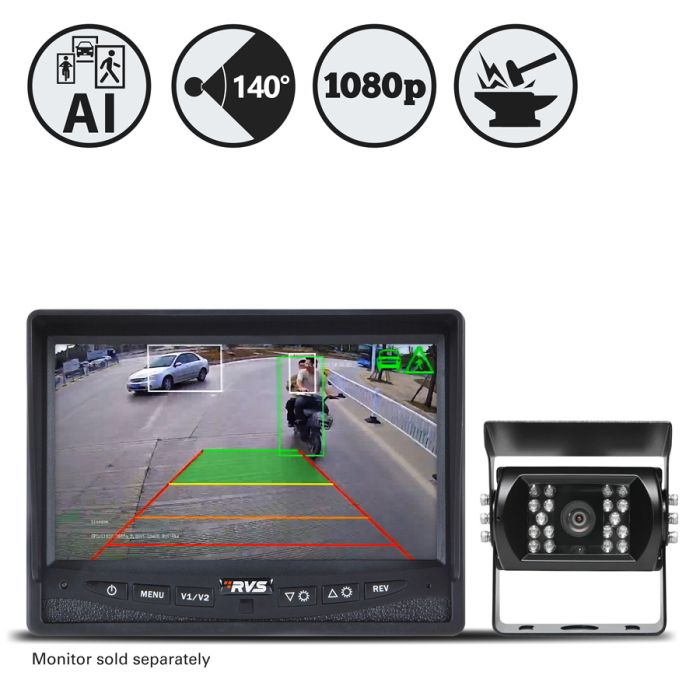
A reverse view camera for car improves safety, removes blind spots, and makes parking easy.
If you drive in the city, park in tight spots, or guide a trailer, you know the stress of guessing what is behind you. I have spent years testing and installing systems for daily drivers and work trucks. In this guide, I break down everything you need to know about a reverse view camera for car, from how it works to the best features, clean installs, and real-world tips that save you time and money.

What is a reverse view camera for car and how does it work?
A reverse view camera for car is a small rear camera that shows a live video feed when you shift to reverse. It sends video to a screen on your dash or mirror. It helps you see low objects, pets, kids, and curbs that mirrors miss.
Most kits have four parts. The camera, the display, the power wire, and the video link. Wired kits use a video cable. Wireless kits send a 2.4 GHz signal. Parking lines can be fixed or move with your steering. Some cameras add night vision with IR LEDs or a low-light sensor.
After I mounted and tuned many systems, I found one rule holds true. Good placement and a clean power source make the biggest difference in the final picture. A well-set reverse view camera for car can feel like a factory feature, not an add-on.
Safety and everyday benefits
A reverse view camera for car cuts the rear blind zone. It shows bikes, toddlers, and posts before you move. You can back into spots fast and with less stress.
Safety agencies pushed this hard for a reason. In the US, all new light vehicles must have rear visibility tech since 2018. It helps prevent backover crashes that once led to hundreds of deaths and many more injuries each year. That policy grew from years of data and testing.
You also save money. A small scrape on a bumper can cost a lot. A clear view can prevent that. For many drivers, a reverse view camera for car pays for itself the first time it avoids a bump.
Types of reverse view camera for car
You can pick from several styles. The right choice depends on your car, budget, and install skills.
- OEM-style integration. Works with the factory screen. It looks stock and is very clean.
- Aftermarket head unit plus camera. Best if your car lacks a screen. You get CarPlay or Android Auto too.
- Mirror monitor kits. The mirror becomes a screen when in reverse. It keeps your dash clean.
- License plate, lip, or flush-mount cameras. License plate is simple. Flush mount looks pro but needs drilling.
- Wired vs wireless. Wired is stable and clear. Wireless installs faster but can have signal noise.
For trucks, vans, and RVs, I suggest wired. It is more work, but the image is steady and sharp. For small cars, a quality wireless reverse view camera for car can be fine if you route the transmitter away from other electronics.
Key features that matter
The market is crowded. Focus on features that improve real use, not just specs on a box.
- Resolution and sensor. Aim for 720p or better and a name-brand sensor. It keeps plates and edges sharp.
- Low light and HDR. You need detail at night and in bright sun. HDR helps when a dark garage meets bright day.
- Viewing angle. 150–170 degrees is a sweet spot. Wider can warp lines. Narrow can hide corners.
- Waterproof rating. Look for IP67 or IP68. Good seals stop fog and water spots.
- Parking lines. Static lines are fine. Dynamic lines that turn with your wheel add skill-like precision.
- Latency. Wired kits feel instant. Wireless should aim under 200 ms to feel natural.
- Build and cable quality. Shielded cables and strain reliefs last longer. They also cut flicker and noise.
If you aim for a factory-like result, choose a reverse view camera for car with HDR, IP67+, and dynamic lines. Those three features help every day, in all light, and through bad weather.
Installation guide: DIY or pro?
A clean install is not about speed. It is about careful routing and solid power. I have seen many jobs fail due to one poor crimp or a bad ground.
Tools you may need:
- Trim tools to avoid scratches
- Multimeter to test power at the reverse light
- Heat-shrink and quality crimp connectors
- Electrical tape and zip ties
- Drill and step bit for flush mounts
Steps for a typical wired install:
- Mount the camera near the plate or center of the trunk. Keep it level and at a mid height.
- Run the video cable through the trunk grommet. Use a drip loop so water falls away from the cable.
- Tap power from the reverse light positive and a clean ground. Verify with a multimeter.
- Route the cable under door sills to the dash or mirror. Secure with zip ties and avoid hinge points.
- Connect to the display input. Set the trigger wire to the reverse signal.
- Calibrate parking lines on flat ground. Use cones or tape to match your car width.
Common mistakes to avoid:
- Sharing power with brake lights or a weak 12 V source
- Mounting off-center or too high
- Leaving extra cable in a tight loop near audio wires, which adds noise
- Skipping the drip loop and letting water track into the trunk
A well-installed reverse view camera for car should come on fast, show a stable image, and have lines that match the car width.
Compatibility and integration
Modern cars have complex networks. If your car has a factory screen, you may need an interface that speaks its data bus. These parts can unlock the reverse input and keep steering wheel controls.
Key checks before you buy:
- Does your head unit accept a camera input labeled CAM IN or REVERSE IN?
- For factory screens, is there a plug-and-play T-harness to avoid wire cuts?
- Does your car need a CAN module to read the reverse signal?
- For manual cars, can you add a manual trigger so the image shows when you want?
Trucks, RVs, and tow rigs may need longer cables and a stronger mount. For trailers, consider a second reverse view camera for car on the trailer with a quick connector near the hitch. It makes hook-ups simple and safe.
Care, maintenance, and troubleshooting
Even the best setup needs basic care. Keep the lens clean. Dust, salt, and rain film can blur the view fast.
Quick fixes I use in the field:
- If the image flickers, check ground points first. A clean ground solves half of issues.
- If you see a blue or black screen, confirm the trigger wire sees 12 V in reverse.
- If the image is noisy on a wireless kit, move the transmitter away from the ignition harness.
- If lines look warped, re-level the camera and tighten the mount.
A foggy lens can mean a bad seal. Dry it with gentle heat, then reseal the housing. If water keeps coming back, replace the camera. A reliable reverse view camera for car should not trap moisture.
Real-world tips from the install bay
I have installed and tested dozens of kits in sedans, SUVs, and work vans. The most helpful tip is simple. Take time on the test fit. Power the camera before final mount, and check the frame for both low and tall drivers.
Helpful lessons learned:
- Add a small wedge shim if your bumper curves down. It fixes a tilted horizon.
- Use painter’s tape to mark your car width on the ground. Align lines to the marks.
- On hatchbacks, leave slack near the hinge so wires do not break over time.
- For snow states, choose a camera with a slight hood. It sheds slush better.
For my own car, I chose a wired reverse view camera for car with HDR and dynamic lines. Night parking went from guesswork to quick and calm. Once you feel that confidence, it is hard to go back.
Cost, value, and what to expect
Prices vary by type and quality. Basic kits start low. Mid-tier systems with HDR and good seals cost more. Pro installs add labor but often include a clean, no-rattle route and a warranty.
Typical ranges:
- Camera-only kits: low to mid price
- Mirror monitor bundles: mid price
- Head unit upgrades with camera: higher price
- Pro install: depends on vehicle and routing
One small bumper repair can exceed the cost of a great reverse view camera for car. Add the time saved in tight garages, and the return is clear.
Legal and privacy notes
New cars in the US have rear cameras by rule since 2018. That standard aims to reduce backover risk. Still, a camera is a driver aid, not a substitute for safe checks.
If your camera records video, know your local laws on audio and video in public places. Do not block your plate or rear lights with the mount. If you sell the car, reset the head unit to remove paired devices or stored video.
Frequently Asked Questions
Is a reverse view camera for car worth it if I already have parking sensors?
Yes. Sensors beep but do not show what the object is. A reverse view camera for car adds context and helps you judge angles and curbs.
Can I install a reverse view camera for car myself?
Many people can with basic tools and patience. If your car has complex trim or a factory screen, a pro may save you time and prevent damage.
Wired or wireless: which is better for image quality?
Wired is best for stable, sharp video and low delay. Wireless is quicker to install, but can have signal noise in some cars.
What viewing angle should I pick?
Aim for 150–170 degrees for a wide yet natural view. Wider can distort edges and make distance hard to judge.
Will a reverse view camera for car work at night?
Yes, if it has good low-light performance or HDR. Pair it with clean lenses and healthy reverse bulbs for the best result.
Can I add a camera to my factory screen?
Often yes, with a vehicle-specific interface or T-harness. Check for a dedicated reverse input and needed CAN modules.
How do I stop fog inside the camera lens?
Remove and dry it with gentle heat, then reseal if possible. Persistent fog usually means the seal failed, so consider a replacement.
Do dynamic guidelines really help?
They do. Lines that turn with the wheel make backing into tight spots much faster and more precise.
Conclusion
A reverse view camera for car boosts safety, saves time, and cuts stress every time you back up. Choose a solid sensor, HDR, the right angle, and a weatherproof build. Plan the install, test before final mount, and keep the lens clean.
If you are ready to upgrade, make a short checklist, match it to your car, and move forward with confidence. Want more tips or gear picks? Subscribe, share your car model in the comments, and I will help you choose the right setup.