
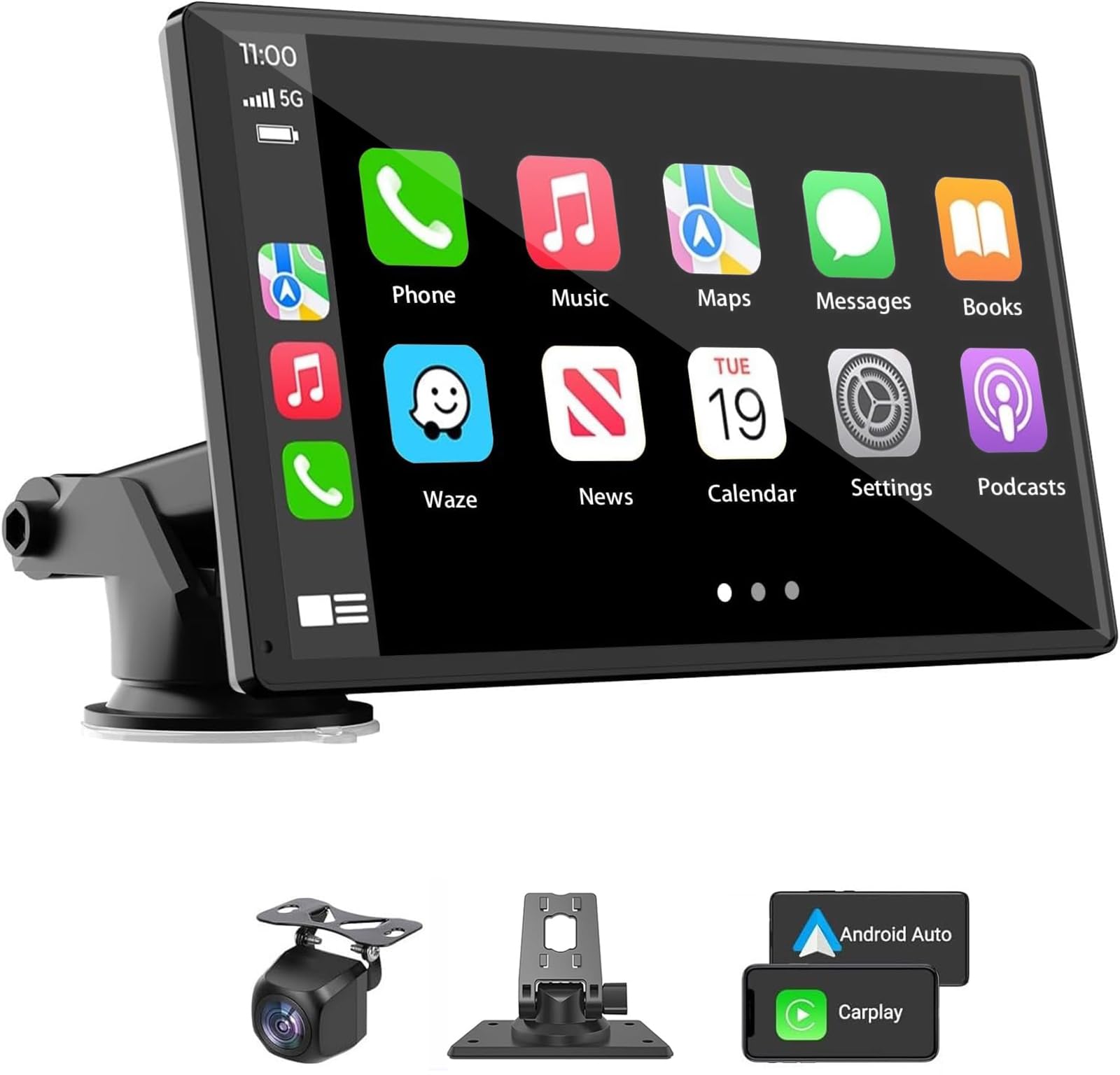
A portable car stereo delivers Bluetooth, USB, battery power, and big sound wherever you drive.
I’ve spent years testing and installing audio gear, and I’ll walk you through portable car stereo options, features, and real-world tips. This guide covers what a portable car stereo is, how it differs from factory units, how to pick the right one, installation tips, sound tuning, power needs, and maintenance. Read on to make a smart choice and get better sound on the go.

What is a portable car stereo?
A portable car stereo is a compact, mobile audio unit designed to play music in vehicles without permanent installation. It usually includes Bluetooth, USB, FM transmitters, speakers, and a built-in battery or 12V adapter. Unlike a fixed head unit, a portable car stereo can move between cars, be used outside the car, and often avoids altering factory wiring.
Common components of a portable car stereo:
- Main player with display and controls.
- Rechargeable battery or 12V power adapter.
- Built-in speakers or outputs for external speakers.
- Connectivity options like Bluetooth, AUX, and USB.
Use cases include rental cars, older vehicles without modern infotainment, motorcycles, and outdoor events. A portable car stereo gives flexibility without cutting wires or voiding warranties.
Key features to look for in a portable car stereo
Pick features that match how you’ll use the device. Focus on sound quality, connectivity, power, and ease of use.
Essential features:
- Bluetooth with aptX or AAC for better wireless audio quality.
- USB port for charging and playing music from flash drives.
- FM transmitter or AUX output for cars without AUX input.
- Rechargeable battery life and quick-charge support.
- Durable build and compact design for portability.
Advanced features that matter:
- Digital signal processing (DSP) for tuning and equalization.
- Dual-phone pairing for hands-free calls and multiple users.
- App control for playlists and firmware updates.
- Weather-resistant housing if you plan outdoor use.
PAA-style questions:
Q: Will a portable car stereo sound as good as a built-in stereo?
A: Many high-end portable car stereos deliver excellent sound but may not match the depth of a custom-installed system with dedicated amplifiers and speakers.
Q: Can I use a portable car stereo in any vehicle?
A: Yes. Most units work in any vehicle via AUX, FM, or Bluetooth, but performance can vary by car acoustics and signal interference.
Types and form factors
Portable car stereos come in several styles. Choose the one that fits your life.
Common form factors:
- All-in-one portable head units with built-in speakers.
- Dock-style units that clip into a vehicle adapter or cradle.
- Bluetooth FM transmitters that plug into a cigarette lighter.
- Portable amplifiers or compact subwoofers paired with a small head unit.
Benefits of each:
- All-in-one units: Quick setup and true portability.
- Dock-style: Better integration with vehicle power and vents.
- FM transmitters: Cheap and universal, but may have interference.
- Compact amps/subs: Improve bass for audiophile-level sound on the move.
I once used a dock-style unit for rentals. It gave much better call clarity and music control than the car’s old cassette adapter.
Installation and setup tips
Installing a portable car stereo is usually simple, but a few tricks save time.
Step-by-step setup:
- Charge the unit fully before first use.
- Connect via Bluetooth or plug the AUX cable into the car’s AUX input.
- For FM transmitters, find an empty FM frequency and match transmit frequency on the unit.
- Secure the unit with a dash mount, cradle, or non-slip pad.
- Set volume limits and pair phones for hands-free safety.
Practical tips:
- Test multiple FM frequencies to avoid interference.
- Keep the microphone near the driver for clear calls.
- Use USB power for longer drives to prevent battery drain.
From my installs, using a simple non-slip pad can prevent rattles and improve microphone pickup.
Sound quality, tuning, and upgrades
Sound depends on the source, hardware, and vehicle acoustics. Portable car stereo units often include tuning tools.
How to improve sound:
- Use high-bitrate audio files or lossless streaming when possible.
- Adjust built-in EQ or DSP settings for bass, mid, and treble.
- Position the unit and speakers to reduce obstruction and reflections.
- Add a small external amplifier or powered subwoofer for more punch.
Common limitations:
- Built-in speakers in many portable units can lack deep bass.
- FM transmitters may compress audio and add noise.
- Battery-powered units may throttle bass to save power.
Real-life example: Adding a compact powered subwoofer to a portable head unit transformed highway clarity and low-end in an older SUV. The upgrade was a small cost with big musical payoff.
Power, batteries, and safety
Power is critical for a portable car stereo. Know your options and limits.
Power options:
- Built-in rechargeable battery for portability.
- 12V cigarette-lighter adapter for continuous power.
- USB-C PD support for fast charging on the road.
- Replaceable batteries in some models for extended trips.
Safety and best practices:
- Avoid fully draining the battery; charge after long trips.
- Use the correct voltage adapter to prevent damage.
- Keep cables tidy to avoid tripping hazards and interference.
Tip from experience: Always carry a small power bank or USB-C cable as backup. It prevents interruptions on long drives and during phone calls.
Connectivity and media sources
A strong portable car stereo supports many input types. Think about how you listen.
Connectivity options to consider:
- Bluetooth audio streaming and hands-free calling.
- AUX input for wired devices and FM modulators.
- USB-A or USB-C for flash drives and charging.
- Micro SD card slots for offline music playback.
- Wi‑Fi and app-based streaming in premium models.
Make sure your portable car stereo supports the codecs and services you use. If you stream high-quality audio, prefer units with aptX or AAC support to reduce compression artifacts.
Buying guide and use cases
Match the portable car stereo to your needs. Price and features vary widely.
Buying checklist:
- Primary use: commuting, rentals, outdoor events, or rideshare.
- Battery life needs: short drives vs long trips.
- Connectivity: Bluetooth, AUX, USB, or FM.
- Sound expectations: built-in speakers vs external speakers/amps.
- Budget: entry-level to premium with DSP and app control.
Typical price ranges:
- Budget models: $20–$60 for FM transmitters and basic units.
- Mid-range: $60–$200 for well-built Bluetooth stereo units.
- Premium: $200+ for units with DSP, long battery life, and robust hardware.
Use cases:
- Rental cars: portable units add modern features quickly.
- Classic cars: keep original dash while adding Bluetooth and USB.
- Motorcycles and boats: weather-rated portable stereos add convenience.
- Temporary installs: festival rigs or demo vehicles.
I chose a mid-range portable car stereo for a fleet of service vehicles. It improved call quality and morale, with minimal setup time for drivers.
Maintenance and troubleshooting
A little care keeps your portable car stereo reliable.
Maintenance tips:
- Clean connectors and ports monthly to avoid dust buildup.
- Keep firmware updated to fix bugs and add features.
- Store the unit in a cool, dry place when not in use.
Quick troubleshooting steps:
- No sound: check volume, mute, and source selection.
- Bluetooth pairing issues: remove old pairings and restart both devices.
- FM interference: switch to a different frequency or use AUX if available.
From mistakes I made: never leave a unit exposed to direct sun for hours. Heat can damage the battery and plastic housing.
Frequently Asked Questions about portable car stereo
What is the main advantage of a portable car stereo?
A portable car stereo lets you add modern audio features without permanent installation. It’s fast to set up and moves between vehicles easily.
Can a portable car stereo connect to multiple phones?
Yes. Many units support multi-device Bluetooth pairing, so two phones can connect and take turns playing music.
Is an FM transmitter a good option for sound quality?
FM transmitters are affordable and universal but can suffer interference and lower audio quality compared to Bluetooth or AUX.
How long does a portable car stereo battery last?
Battery life varies widely, typically from 5 to 20 hours depending on model, volume, and whether speakers or external devices are used.
Will a portable car stereo damage my car’s electrical system?
No, if you use the correct 12V adapter and follow the manufacturer’s instructions. Portable units avoid wiring changes and are generally safe.
Can I add external speakers to a portable car stereo?
Yes. Many units offer speaker outputs or Bluetooth connectivity to powered speakers and amplifiers for better sound.
Are portable car stereos legal to use while driving?
Yes, when used hands-free for calls and music. Always follow local laws regarding device placement and distracted driving.
Conclusion
A portable car stereo is a flexible way to upgrade in-car audio without permanent changes. It offers Bluetooth, USB, FM, and battery-powered play for rentals, classic cars, and on-the-go use. Focus on connectivity, battery life, and sound quality when you shop. Try a mid-range model first to balance features and value. If you found this guide helpful, try one portable car stereo, test it for a week, and leave a comment sharing your results or questions.