
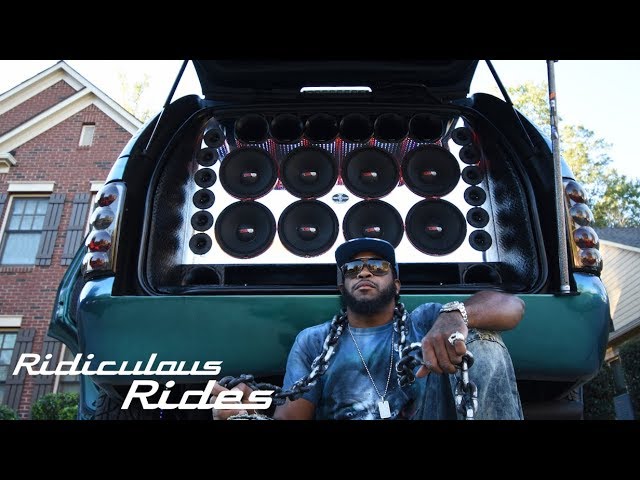
A car sub speaker boosts low frequencies, adding depth and punch to your in-car audio.
I’ve spent years installing and testing car sub speaker setups for friends and clients. This guide covers what a car sub speaker is, how it works, how to pick the right one, and how to install and tune it for the best bass. Expect clear steps, real-world tips, and mistakes I made so you don’t repeat them.

What is a car sub speaker?
A car sub speaker handles the lowest audio notes in music and movies. It focuses on bass tones, usually below 120 Hz. Subwoofers free up door and dash speakers to play mids and highs cleaner. A good car sub speaker makes music feel alive and adds impact to soundtracks and beats.
Why car sub speaker matters:
- It adds depth and body to music.
- It improves clarity by letting other speakers handle mids and highs.
- It creates an immersive listening experience in a car cabin.
How a car sub speaker works
A car sub speaker moves a large cone forward and back to push air at low frequencies. The cone size, voice coil, and magnet shape determine output and control. An amplifier sends power to the sub, and a crossover filters out higher frequencies so only bass reaches the sub.
Key components:
- Cone and surround — move air to create bass.
- Voice coil — converts electrical signal into motion.
- Magnet — provides the field that drives the coil.
- Enclosure — shapes the bass response and efficiency.
Common design choices affect sound:
- Larger cones move more air for deeper bass.
- Sealed enclosures deliver tight, accurate bass.
- Ported enclosures deliver louder, boomier bass at specific frequencies.
How much bass do I need in my car?
A larger sub gives more low-end reach. If you want tight music bass, choose a high-quality sealed sub. For party-level output, pick a ported sub with higher power handling.
Can stock systems work with a car sub speaker?
Yes. Many factory head units and amps can send a sub signal or use speaker-level inputs on aftermarket amplifiers. A proper line output converter can bridge the gap.
Types of car sub speakers
There are several types of car sub speaker designs. Each has pros and cons for sound, size, and power needs.
Common types:
- Sealed subwoofers — compact, clean bass, easy to tune.
- Ported (vented) subwoofers — louder at tuned frequencies, larger boxes.
- Bandpass subwoofers — very loud in a narrow band, complex boxes and bulkier.
- Shallow-mount subwoofers — fit tight spaces but may sacrifice low-end depth.
Subwoofer sizes:
- 8-inch — fast, tight bass, less output.
- 10-inch — balanced for music and compact spaces.
- 12-inch — common choice for punch and deep bass.
- 15-inch — high output and deep extension, needs space and power.
How to choose the right car sub speaker
Picking the right car sub speaker depends on music preferences, space, and budget. Start by defining what you want: tight, musical bass or loud, chest-thumping output?
Steps to choose:
- Define your goal — accuracy or maximum loudness.
- Measure available space in trunk or behind seats.
- Match RMS power rating to a reliable amplifier.
- Choose sub size based on music style and cabin size.
- Pick enclosure type that fits space and sound goals.
Match sub specs to amp:
- Aim to match RMS wattage closely between amp and sub.
- Use correct impedance. Many subs are dual 2-ohm or dual 4-ohm to allow wiring flex.
- Avoid overpowering or severely underpowering the sub.
Practical tip from my installs:
- I once paired a powerful amp with a poor box. The result was muddy bass. A well-built enclosure matters as much as the sub itself.
Installation and placement tips
Good installation protects gear and boosts sound. A poor install will waste money and can damage speakers.
Pre-install checklist:
- Disconnect battery before wiring.
- Use proper gauge power wire and a good fuse near the battery.
- Ground the amp to clean metal on the car chassis.
- Secure the sub enclosure to prevent movement.
Placement tips:
- Trunk, facing rear — often louder and fuller bass.
- Facing cabin — tighter bass in some cars.
- Try different orientations and listen. Small cars may respond better to facing rear.
Boxes and mounting:
- Use sealed boxes for tight music bass.
- Use ported boxes for louder peaks at tuned frequencies.
- Ensure box volume matches the sub’s spec for best performance.
My mistake to avoid:
- I once used undersized wiring and blew a fuse mid-drive. Use thicker cable than you think you need.
Tuning, amps, and settings
Tuning a car sub speaker is where good gear becomes great. Proper gain, crossover, and EQ settings prevent distortion and improve clarity.
Basic tuning steps:
- Set amp gain low to start.
- Play mid-level track with steady bass.
- Increase gain until the sound is strong but not distorted.
- Set low-pass crossover between 60–120 Hz depending on system.
- Use phase switch or invert wiring if bass cancels in cabin.
- Adjust equalizer sparingly; boost only if needed and avoid clipping.
Amplifier selection:
- Choose an amp that can deliver clean RMS power, not just peak watts.
- Class D amps are efficient and run cooler in cars.
- High current capability matters for deep bass.
Avoid these mistakes:
- Cranking gain to get louder will distort and can damage the sub.
- Setting crossover too high makes the sub play mids and blur the sound.
- Ignoring phase issues can kill bass in some seating spots.
Common problems and troubleshooting
Even a good car sub speaker can show issues. Quick checks help find the root cause.
Problem checklist:
- No sound — check power, ground, and remote turn-on wiring.
- Distorted bass — reduce gain, check speaker wiring, inspect cone and surround.
- Weak bass — check enclosure type and volume, confirm amp power.
- Clicking or popping — look for bad connections or failing capacitors in amp.
- Rattles — secure panels, damp panels, or add sound-deadening material.
Tools to help:
- Multimeter for voltage and continuity checks.
- Test tracks with single-frequency bass tones.
- A friend to listen while you adjust settings.
My experience and practical tips
I’ve installed dozens of car sub speaker systems in sedans, trucks, and SUVs. A few lessons stand out.
What worked best:
- Match sub RMS to amp RMS. That alone solved many problems.
- A well-built sealed box often sounded better than a cheap ported box, even with a smaller sub.
- Sound-deadening in doors and trunk reduced rattle and improved perceived bass.
Mistakes I made:
- Buying the loudest sub without measuring the car’s space. The sub never reached its potential.
- Using thin power wire. The amp got hot and lost headroom.
- Over-EQing bass and causing distortion at high volumes.
Quick tips I share with clients:
- Test different box orientations before final placement.
- Start with conservative gain settings.
- Consider professional enclosure builds if you want accuracy.
Frequently Asked Questions of car sub speaker
What size car sub speaker is best for music?
A 10- or 12-inch car sub speaker suits most music tastes. They balance tightness and depth in most cars.
Do I need an external amplifier for a car sub speaker?
Yes. Most car sub speaker drivers need a dedicated amplifier to reach their rated power and perform well.
Is a sealed or ported box better for a car sub speaker?
Sealed boxes give tighter, more accurate bass. Ported boxes give louder output at specific frequencies.
How much power should my amp deliver to a car sub speaker?
Match the amp RMS to the sub RMS rating, or stay within 80–100% of the sub’s RMS for safe operation.
Can a car sub speaker damage my car battery?
A car sub speaker can strain a weak battery during heavy use. Upgrade alternator or battery for extreme systems.
How do I stop rattles caused by a car sub speaker?
Secure loose panels and add sound-deadening foam to surfaces near the sub speaker to cut rattles.
Will adding a car sub speaker improve overall sound quality?
Yes. A car sub speaker lets other speakers handle mids and highs, making the full system clearer and more dynamic.
Conclusion
A car sub speaker transforms in-car audio. It restores the low-end your factory system misses. Choose a sub that fits your music style, match it to the right amp, and tune it carefully. Start with small steps: measure space, match RMS power, and keep settings conservative. You’ll get better sound, fewer surprises, and more driving pleasure.
Ready to upgrade your ride’s sound? Try one change at a time. Test placements, listen critically, and share what you learned in the comments or subscribe for more hands-on tips.