
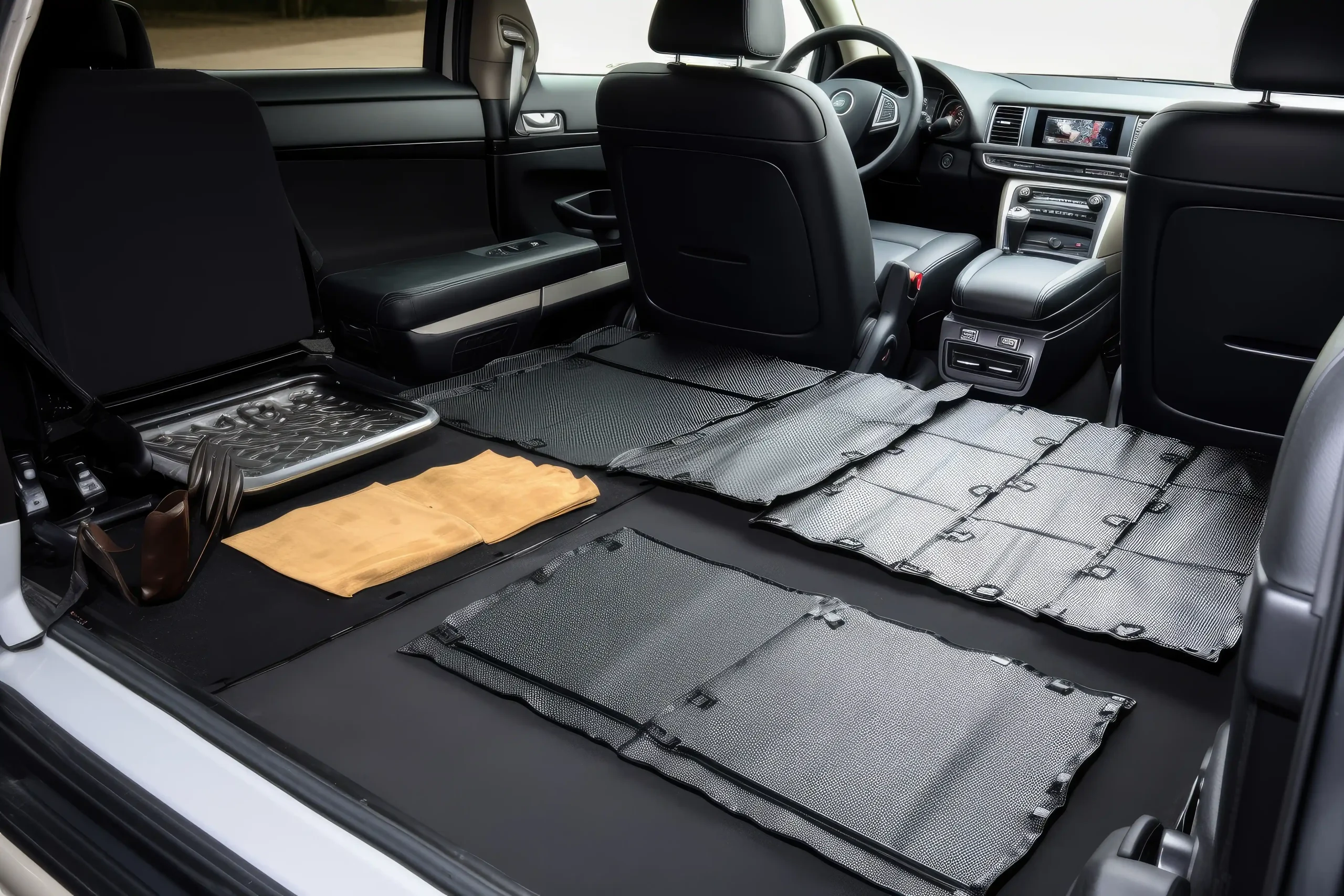
If you have ever stepped into your car with muddy shoes, wet boots, spilled coffee, beach sand, or winter slush, you already know why floor protection matters. So, what are all-weather floor mats? In simple terms, they are heavy-duty car floor mats made to protect your vehicle’s carpet from water, dirt, mud, snow, salt, and daily mess.
I’m Alex Carter, and I look at car accessories from a practical owner’s point of view. Floor mats may not feel exciting at first, but they can make a big difference in how clean your car stays and how easy it is to maintain.
In this guide, I’ll explain what all-weather floor mats are, how they compare with carpet mats, who should use them, what to look for before buying, and the common mistakes to avoid.
Quick Answer
All-weather floor mats are durable car mats designed to protect your vehicle’s carpet from water, dirt, mud, snow, spills, and everyday debris. They are usually made from rubber, thermoplastic, or similar waterproof materials. Unlike carpet mats, they are easier to clean and better for messy weather, pets, kids, work gear, and outdoor lifestyles.
What Are All-Weather Floor Mats?
All-weather floor mats are protective mats that sit on top of your vehicle’s original carpet. Their main job is simple: keep mess away from the carpet underneath.
Most all-weather mats are made from rubber, thermoplastic elastomer, or other flexible waterproof materials. These materials help block moisture and hold dirt on the mat instead of letting it soak into the factory carpet.
The best all-weather mats usually have raised edges, grooves, channels, or deep patterns. These design features help trap water, mud, snow, road salt, sand, and crumbs until you remove the mat and clean it.
Here’s the thing. Car carpets are not easy to clean once they absorb moisture or smell. A good mat gives you a removable layer of protection, which makes daily cleanup much easier.
How All-Weather Floor Mats Work
All-weather mats work by creating a barrier between your shoes and your vehicle’s carpet. When your shoes bring in water, mud, snow, or gravel, the mat catches it first.
Many mats have raised outer edges. These edges help stop liquid from spreading across the floor. Some mats also have channels that guide water away from your feet and hold it in lower sections of the mat.
This matters most during bad weather. Snow and road salt can stain carpet. Rain can create damp smells. Mud can dry and become hard to vacuum. All-weather floor mats help reduce those problems before they get worse.
- They block water from reaching the carpet.
- They trap dirt, sand, and small debris.
- They are easy to remove and rinse.
- They help keep the cabin cleaner for daily driving.
- They can help protect resale value by keeping the interior in better shape.
All-Weather Floor Mats vs Carpet Floor Mats
Most vehicles come with carpet floor mats or basic fabric mats. Carpet mats can look nice and feel soft, but they are not always the best choice for rain, snow, mud, pets, or heavy daily use.
All-weather mats are more practical. They may not feel as soft as carpet, but they handle mess much better. If you live in an area with snow, rain, dirt roads, beach trips, or outdoor work, all-weather mats are usually the smarter choice.
| Feature | All-Weather Floor Mats | Carpet Floor Mats |
|---|---|---|
| Water protection | Very good | Limited |
| Cleaning | Easy to rinse and wipe | Needs vacuuming and deeper cleaning |
| Best for | Rain, snow, mud, pets, kids, work use | Light daily use and clean driving conditions |
| Comfort | Firm and practical | Softer underfoot |
| Durability | Usually very durable | Can wear, stain, or hold odor |
| Appearance | Rugged and clean | More factory-style |
For many drivers, the best setup is simple: use all-weather mats for daily protection and keep carpet mats stored if you want them for cleaner seasons.
Who Should Use All-Weather Floor Mats?

All-weather floor mats are useful for almost any car owner, but some drivers benefit from them more than others.
If you live somewhere with snow, rain, mud, or dusty roads, they are a smart upgrade. They are also helpful if you carry kids, pets, sports gear, tools, groceries, or outdoor equipment.
You should strongly consider all-weather mats if you:
- Drive in snow, rain, or muddy areas often.
- Have kids who bring crumbs, drinks, and dirt into the car.
- Travel with pets.
- Use your car for work, delivery, rideshare, or outdoor jobs.
- Want easier interior cleaning.
- Plan to keep your vehicle for several years.
Even if your driving is simple, all-weather mats can still help. One spilled drink or one muddy weekend trip can make you wish you had them earlier.
Types of All-Weather Floor Mats
Not all all-weather mats are the same. Some are basic rubber mats. Others are custom-fit liners made for a specific vehicle model.
Universal All-Weather Mats
Universal mats are made to fit many vehicles. They are usually cheaper and easy to find. Some can be trimmed to fit better.
The downside is fit. Universal mats may not cover every corner of your floor. They may also move around if they do not match your vehicle’s floor shape well.
Custom-Fit Floor Liners
Custom-fit liners are made for a specific vehicle year, make, and model. They usually offer better coverage, higher edges, and a cleaner look.
These are often the best choice if you want maximum protection. They can cost more, but the fit is usually much better.
Rubber Floor Mats
Rubber mats are flexible, tough, and simple to clean. They are a common choice for everyday drivers.
Some rubber mats can have a strong smell when new. That smell often fades, but it is worth checking product details and user reviews before buying.
Thermoplastic Floor Mats
Thermoplastic mats are often lighter, firm, and shaped with deeper channels. Many premium floor liners use this type of material.
They can offer excellent coverage, especially in modern cars, trucks, and SUVs.
What to Look for Before Buying
A good floor mat should do more than just sit on the floor. It should fit correctly, stay in place, protect the carpet, and be easy to clean.
Before buying, check these points carefully:
- Vehicle fit: Choose mats that match your vehicle’s year, make, and model when possible.
- Raised edges: Higher edges help hold water, mud, and melted snow.
- Anti-slip backing: Mats should stay in place during normal driving.
- Retention clips: Good mats should work with your vehicle’s factory mat hooks when available.
- Easy cleaning: Look for mats you can remove, rinse, wipe, and reinstall easily.
- Odor level: Some cheaper rubber mats may smell strong when new.
Safety also matters. Floor mats should never block the pedals. The National Highway Traffic Safety Administration offers general vehicle safety guidance, and floor mat placement is one of those small details that should never be ignored.
Warning: Never stack a new all-weather mat on top of an old carpet mat near the driver’s pedals. A loose or stacked mat can slide forward and interfere with braking or acceleration.
Are All-Weather Floor Mats Worth It?
For most drivers, yes, all-weather floor mats are worth it. They are not just a cosmetic upgrade. They help protect the interior from the kind of mess that happens in real life.
Think about rainwater, spilled coffee, melted snow, beach sand, pet hair, road salt, and muddy shoes. These things are normal. But once they get into carpet, cleaning becomes harder.
All-weather mats make cleanup faster. In many cases, you can remove the mat, shake it out, rinse it, dry it, and put it back.
| Driver Type | Best Mat Choice | Why It Makes Sense |
|---|---|---|
| Daily commuter | Custom-fit all-weather mats | Good daily protection with clean fit |
| Parent or family driver | Full set with rear-seat coverage | Helps manage spills, crumbs, and dirt |
| Pet owner | Deep-channel rubber or thermoplastic mats | Handles hair, paw dirt, and water better |
| Truck or SUV owner | High-wall floor liners | Better for mud, gear, and outdoor use |
| Budget buyer | Quality universal mats | Affordable protection if fit is safe |
For more vehicle ownership tips, you can also check my guide on how to keep your car interior clean.
How to Clean All-Weather Floor Mats
One of the biggest benefits of all-weather mats is easy cleaning. You do not need special tools for basic care.
Here is a simple cleaning process:
- Remove the mats from the vehicle.
- Shake off loose dirt, sand, and debris.
- Rinse the mats with clean water.
- Use mild soap and a soft brush for stuck-on dirt.
- Rinse again and let the mats dry fully.
- Reinstall them only when they are dry and secure.
Avoid using slippery dressings on the driver’s mat. A shiny finish may look nice, but it can make your feet slip. Floor mats should be clean, dry, and safe under your shoes.
Common Mistakes to Avoid
All-weather floor mats are simple, but a few mistakes can reduce their safety and usefulness.
- Buying universal mats that do not fit the driver’s side properly.
- Stacking all-weather mats over carpet mats.
- Ignoring factory retention clips or hooks.
- Using slippery cleaners on the mat surface.
- Leaving water inside deep channels for too long.
- Forgetting to clean under the mats sometimes.
The good news is that these mistakes are easy to avoid. Fit the mat correctly, keep it clean, and make sure it does not move.
Expert Tips from Alex
Alex’s Tip: If you drive in snow, choose mats with high edges. Melted snow can spread quickly, and raised edges help keep the water contained.
Alex’s Tip: For a newer vehicle, I would choose custom-fit mats over cheap universal mats. The cleaner fit is usually worth it, especially on the driver’s side.
Alex’s Tip: Check the rear seat area too. Many drivers protect the front floor but forget the second row, where kids, passengers, and pets often make the biggest mess.
Alex’s Tip: After cleaning your mats, let them dry before putting them back. Trapped moisture under the mat can still create odor over time.
If you are building a simple car-care setup, floor mats pair well with basic tools like a portable vacuum, microfiber towels, and a good interior cleaner. You can read my related guide on essential car cleaning tools for beginners.
Key Takeaways
- All-weather floor mats protect your car carpet from water, mud, snow, salt, spills, and dirt.
- They are easier to clean than carpet mats and better for daily mess.
- Custom-fit mats usually offer better coverage and safer placement than universal mats.
- Never stack mats near the driver’s pedals.
- For most drivers, all-weather mats are a smart, practical interior upgrade.
Frequently Asked Questions
What are all-weather floor mats made of?
All-weather floor mats are usually made of rubber, thermoplastic, or similar waterproof materials. These materials help block water, dirt, mud, and snow from reaching your vehicle’s carpet.
Are all-weather floor mats better than carpet mats?
All-weather floor mats are better for protection, cleaning, and messy conditions. Carpet mats may look softer and more factory-style, but they do not handle water, mud, and spills as well.
Can all-weather floor mats damage car carpet?
Good all-weather floor mats should not damage car carpet when they fit correctly and are cleaned often. Problems can happen if moisture, dirt, or debris gets trapped under the mat for a long time.
Should I buy universal or custom-fit all-weather mats?
Custom-fit mats are usually the better choice because they match your vehicle’s floor shape more closely. Universal mats can work on a budget, but you must make sure they do not slide or interfere with the pedals.
How often should I clean all-weather floor mats?
You should clean all-weather floor mats whenever they collect visible dirt, water, salt, or food debris. In winter or rainy seasons, cleaning them more often helps prevent odor and stains.
Can I put all-weather mats over carpet mats?
No, you should not stack all-weather mats over carpet mats, especially on the driver’s side. Stacked mats can move forward and may interfere with the pedals.
Do all-weather floor mats help resale value?
All-weather floor mats can help protect the original carpet, which may keep the interior looking cleaner over time. A cleaner interior can make a better impression when selling or trading in the vehicle.
Conclusion
All-weather floor mats are one of the simplest ways to protect your car interior. They help control the mess that comes from weather, kids, pets, work, travel, and everyday driving.
If you want the easiest choice, look for custom-fit mats with raised edges, strong grip, and a safe driver-side fit. That gives you better coverage, easier cleaning, and more peace of mind.
My practical recommendation is simple: if your car is part of your daily life, protect the floor before the carpet gets stained. Start with a good set of all-weather mats, then build the rest of your interior care routine from there.