
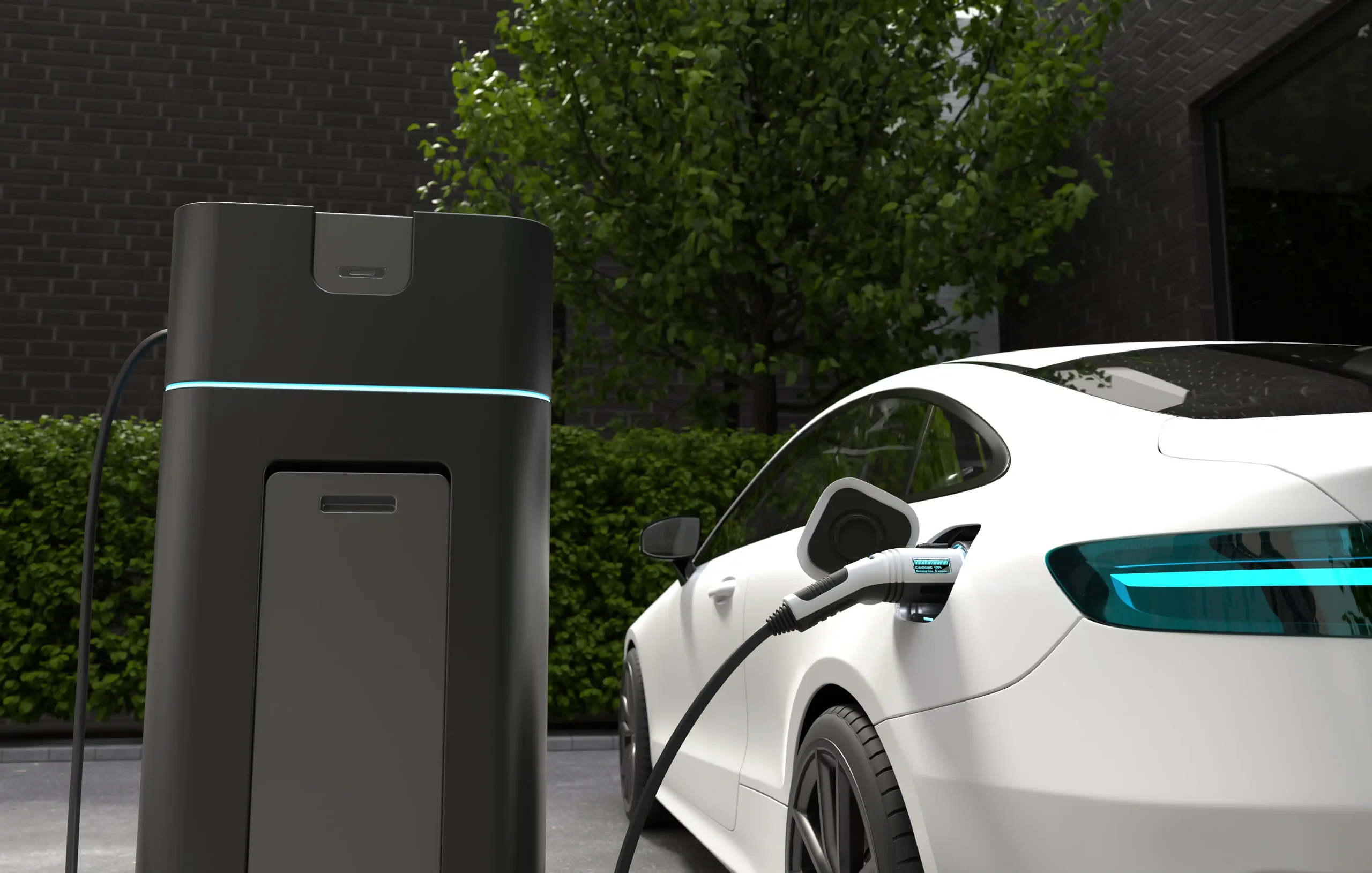
If you just bought your first electric vehicle — or you’re seriously thinking about it — one of the first things you’re going to hear about is charging levels. Level 1, Level 2, DC fast charging… it can feel like a lot right away. I get it. When I first started researching EV ownership, I had the same questions.
Here’s the good news: Level 1 charging is actually the simplest part. You probably already have everything you need at home to use it. In this article, I’ll explain exactly what a Level 1 EV charger is, how it works, when it makes sense to use one, and when you might want something more.
Whether you’re brand new to electric vehicles or just trying to understand your options, this guide is written for everyday car owners — not engineers. Let’s break it down.
Quick Answer
A Level 1 EV charger is the most basic type of electric vehicle charger. It uses a standard 120-volt household outlet — the same kind you’d plug a lamp or a phone charger into. Most EVs come with a Level 1 charging cable right in the box, so you don’t need to buy any extra equipment. It’s the slowest charging option available, typically adding 3 to 5 miles of range per hour, but it works perfectly well for drivers with short daily commutes or occasional EV use.
What Is a Level 1 EV Charger?
A Level 1 charger is simply a charging setup that uses a standard 120-volt AC outlet. In the United States, that’s the same outlet you find everywhere in your home — in your kitchen, your bedroom, your garage. No special wiring. No electrician required. You just plug in and charge.
Most EV manufacturers include what’s called an EVSE — Electric Vehicle Supply Equipment — with the car. It’s a cable with a standard plug on one end and a connector that fits your car on the other. You plug it into your wall outlet, connect it to your vehicle, and charging begins automatically.
Here’s what makes Level 1 different from the other charging options:
- Voltage: 120 volts AC (standard U.S. household current)
- Amperage: Typically 12 to 16 amps
- Power output: Around 1.0 to 1.9 kilowatts
- Charge speed: 3 to 5 miles of range added per hour
- Equipment needed: None beyond the cable that comes with your EV
Compare that to a Level 2 charger, which runs on 240 volts and can add 10 to 30 miles of range per hour, or DC fast charging, which can charge many EVs to 80% in under 30 minutes. Level 1 is the slow lane — but for a lot of drivers, the slow lane is exactly where they need to be.
How Does Level 1 Charging Work?
The process is about as simple as charging a phone. You take the charging cable that came with your EV, plug the household end into a standard grounded 120-volt outlet, and connect the other end to your vehicle’s charging port. Your car’s onboard charger handles the rest — converting the AC power from the wall into DC power that fills up your battery.
One thing to keep in mind: you should always use a dedicated, grounded outlet for Level 1 charging. Avoid using extension cords or outlets that share a circuit with other high-draw appliances. Using the wrong outlet can cause slow charging or, in worst cases, create a fire hazard.
Alex’s Tip: If your garage outlet is old or you’re not sure it’s grounded, have an electrician take a quick look before you start charging regularly. It’s a small investment that gives you real peace of mind.
Most modern EVs also let you schedule charging through an app or the vehicle’s settings. You can set it to charge overnight during off-peak electricity hours, which can lower your energy bill depending on your utility provider. Check with your local utility — many offer special EV electricity rates. The U.S. Department of Energy’s EV charging resource is a helpful place to start understanding your home charging options.
How Much Range Does Level 1 Charging Add?
This is the question most new EV owners ask first — and it’s a fair one.
On average, a Level 1 charger adds about 3 to 5 miles of range per hour of charging. So if you plug in when you get home at 6 p.m. and unplug at 7 a.m. the next morning, that’s roughly 13 hours of charging — which adds somewhere between 40 and 65 miles of range.
For many drivers in the U.S., that’s more than enough. According to data from the Federal Highway Administration, the average American drives around 37 miles per day. If you fall into that range, Level 1 charging overnight keeps your battery topped up without any issues.
| Charging Level | Voltage | Miles Added Per Hour | Equipment Needed | Best For |
|---|---|---|---|---|
| Level 1 | 120V AC | 3–5 miles | Standard outlet + included cable | Short commutes, overnight charging |
| Level 2 | 240V AC | 10–30 miles | Home charger unit + electrician install | Most EV owners, daily drivers |
| DC Fast Charging | 400–900V DC | 100–200+ miles | Public charging station | Road trips, quick top-ups on the go |

Who Should Use Level 1 Charging?
Level 1 charging isn’t for everyone — but it’s a great fit for more drivers than you might think. Here’s who tends to get the most out of it:
- Short commuters: If you drive 40 miles or less per day, overnight Level 1 charging easily keeps up.
- New EV owners: It’s the easiest way to start without spending anything extra on equipment or installation.
- Plug-in hybrid (PHEV) drivers: PHEVs have smaller battery packs. Level 1 is often all you need to keep a PHEV topped off regularly.
- Renters or condo owners: If you can’t install a Level 2 charger, a standard outlet is what you’ve got — and it works.
- Occasional EV users: If the EV is a second car or mostly used for local errands, Level 1 is completely sufficient.
On the other hand, if you drive a lot of miles each day, own a long-range EV, or need to be ready for an unexpected long trip, Level 1 can feel limiting. In that case, upgrading to a Level 2 home charger is worth considering.
Pros and Cons of Level 1 EV Charging
Let me be straight with you — Level 1 charging has real advantages, but it also has genuine limitations. Here’s the honest picture:
| Pros | Cons |
|---|---|
| No extra equipment to buy | Very slow — impractical for high-mileage drivers |
| Uses any standard 120V outlet | A full charge on a large battery can take 40–50+ hours |
| No installation cost | Not practical for road trips or heavy daily driving |
| Works anywhere in the U.S. | Extension cords are not recommended — limits placement |
| Gentle on the battery long-term | Requires overnight charging discipline |
Alex’s Tip: Slow charging is actually gentler on your EV’s battery over time. If you have the option, Level 1 overnight charging is one of the better habits for long-term battery health — as long as the speed meets your daily needs.
Common Mistakes to Avoid With Level 1 Charging
- Using an extension cord: Most extension cords aren’t rated for the sustained load of EV charging. It can overheat the cord and damage the charger or outlet.
- Using an ungrounded outlet: Always use a properly grounded three-prong outlet. Two-prong outlets are not safe for EV charging.
- Sharing a circuit with heavy appliances: Don’t charge on the same circuit as a refrigerator, washer, or space heater. Dedicated circuits are safer.
- Ignoring warning lights or error codes: If your EV shows a charging error, don’t ignore it. Check the outlet, cable connection, and your vehicle’s charging settings before trying again.
- Expecting fast charging speed: Level 1 is slow by design. Plan your charging schedule around that reality rather than being surprised by it.
Expert Tips From Alex
I’ve spent a lot of time researching EV ownership and talking to everyday drivers about what actually works at home. Here are the tips I’d share with a friend just getting started:
1. Start with Level 1 before buying anything else. Many new EV owners immediately feel like they need to upgrade. Give it two or three weeks first. You might find Level 1 is all you need — and you’ll save yourself hundreds of dollars in equipment and installation costs.
2. Charge every night, not when you’re “low.” Think of it like a smartphone. Plug in every night and you’ll almost never worry about range. Waiting until the battery is nearly empty and then being disappointed by slow charging is a setup for frustration.
3. Check your garage outlet before you trust it. If your garage hasn’t been updated in years, the outlet may not be reliable for sustained charging. A basic outlet test from a hardware store ($10 or less) can tell you immediately if there’s a grounding issue.
4. Use your EV’s scheduling feature. Most EVs let you set a charging schedule through the car’s app or settings. Charging overnight during off-peak hours can cut your electricity costs — sometimes significantly. Check with your utility about time-of-use rates.
5. Know your daily miles before deciding to upgrade. If you consistently drive more than 50 miles per day, Level 1 will struggle to keep up. That’s the point where a Level 2 charger starts making real sense. You can explore more about choosing the right home EV charger to figure out the best fit for your situation.
Key Takeaways
- A Level 1 EV charger uses a standard 120-volt household outlet — no extra equipment needed.
- It adds about 3 to 5 miles of range per hour, making it best suited for overnight charging.
- It’s a great fit for short-commute drivers, PHEV owners, renters, and new EV owners just getting started.
- Always use a dedicated, grounded outlet and avoid extension cords.
- Slow Level 1 charging is gentle on your battery and can lower electricity costs when scheduled during off-peak hours.
Frequently Asked Questions
Can I use Level 1 charging as my only home charging method?
Yes, absolutely — if your daily driving is 40 miles or less, overnight Level 1 charging is enough to keep your EV ready every morning. Many drivers use Level 1 exclusively and never feel limited. It depends entirely on how many miles you drive each day.
Do I need to buy a special charger for Level 1 charging?
No. Most electric vehicles come with a Level 1 EVSE cable right in the box. You just need a standard grounded 120-volt outlet. There’s nothing extra to purchase for basic Level 1 home charging.
How long does it take to fully charge an EV with a Level 1 charger?
It depends on the size of your battery. A plug-in hybrid with a small battery might fully charge in 5 to 8 hours. A full EV with a large battery (like a 75 kWh or larger pack) could take 40 to 60 hours for a full charge from empty. Most drivers don’t start from empty, so overnight charging is typically enough for daily use.
Is Level 1 charging safe?
Yes, when done correctly. Use a dedicated, properly grounded 120-volt outlet. Avoid extension cords and shared circuits. The charging cable that comes with your EV is designed for this purpose and includes built-in safety features. If you’re unsure about your outlet’s condition, have an electrician inspect it.
Will Level 1 charging damage my EV battery?
No — in fact, slow charging is generally considered gentler on lithium-ion batteries than fast charging. Level 1 charging puts less thermal stress on your battery, which can be beneficial for long-term battery health. Just avoid regularly charging to 100% if your manufacturer recommends stopping at 80% for daily use.
What’s the difference between Level 1 and Level 2 EV charging?
Level 1 uses a 120-volt outlet and adds 3 to 5 miles of range per hour. Level 2 uses a 240-volt outlet (like a dryer outlet) and adds 10 to 30 miles per hour. Level 2 requires a dedicated charger unit and typically a professional installation, but it charges much faster. If you drive more than 50 miles per day, Level 2 is worth the upgrade.
Can I use Level 1 charging in an apartment or condo?
You can if you have access to a standard 120-volt outlet near where you park. Some apartment buildings have outdoor outlets in parking areas. It’s worth asking your building manager. If not, look into whether your building has or plans to add EV charging stations — many are adding them as EV adoption grows.
Conclusion
Level 1 EV charging doesn’t get a lot of attention because it’s not flashy. There’s no special hardware, no installation project, no app to set up. But that’s exactly why it works so well for so many drivers. You plug in your car the same way you plug in your phone, let it charge overnight, and wake up ready to go.
If you’re new to electric vehicles and not sure where to start, start here. Use the cable that came with your car, find a good grounded outlet, and give Level 1 a few weeks before deciding you need to upgrade. You might be surprised how well it fits your routine.
And if you do decide you need faster charging — because you’re driving more miles, adding a second EV, or just want the convenience — there are great options out there. For a full breakdown of what comes next, check out my guide on choosing the best home EV charger for your needs. Either way, you’re already ahead of the curve just by asking the right questions.